Your Approved Furniture Is Delayed. Should You Wait, Switch, or Split the Delivery?
A supplier says a piece won’t arrive on time. As an interior designer, the immediate question is what that delay does to installation, move-in, or opening day. At Arcaya, we’ll verify where the order is held up and compare waiting, replacing the piece, and taking a partial delivery through to the day the furniture can actually be used.

Get evidence of where the order is stuck
Ask which stage the item has reached. Is it waiting for material, being made, awaiting inspection, or packed for pickup? Get an order-linked update, such as a material date, a finished-item photo, or a warehouse receipt. Confirm the next milestone and when it can be verified.
Ask the site what it can live without, and for how long
Write down the last dates for each room or function. Can the dining area open temporarily with four chairs? Will missing furniture block other installation work? Check when the site can receive a second batch and which pieces have to be usable on opening day.
Ask for the missing milestone and who can confirm it
If a supplier says it is “a week behind,” find out what changed. Get the current date for the exact pieces, their readiness for inspection, and the earliest collection window. A delay in fabric availability might still allow the shop to finish other modules. A shipment ready at the factory could still miss its booking.
Ask for evidence that explains which stage applies, and check who is responsible for the next step. Put a date for that reply on the schedule. If the revised shipment affects an installation booking, have the site team confirm how long it can keep the appointment. You can then compare waiting with changing the order based on an actual constraint. This also helps avoid paying for a different product when the team could recover the schedule by confirming a missing handoff.
Verify what it would take to wait for the original
Ask for a written date for the exact configuration and count. Confirm the conditions the maker has already met and what’s still outstanding. Recheck warehouse delivery, transport, and site receipt. Use that complete route to decide whether the revised date actually works.
Verify a replacement as carefully as the original
Get real photos, dimensions, the finish sample, and the quantity available. Ask when it can be released. If the look or feel changes, show what the client would need to approve. A catalog listing is a lead until the supplier confirms the version and stock.
Check whether the first batch can work on its own
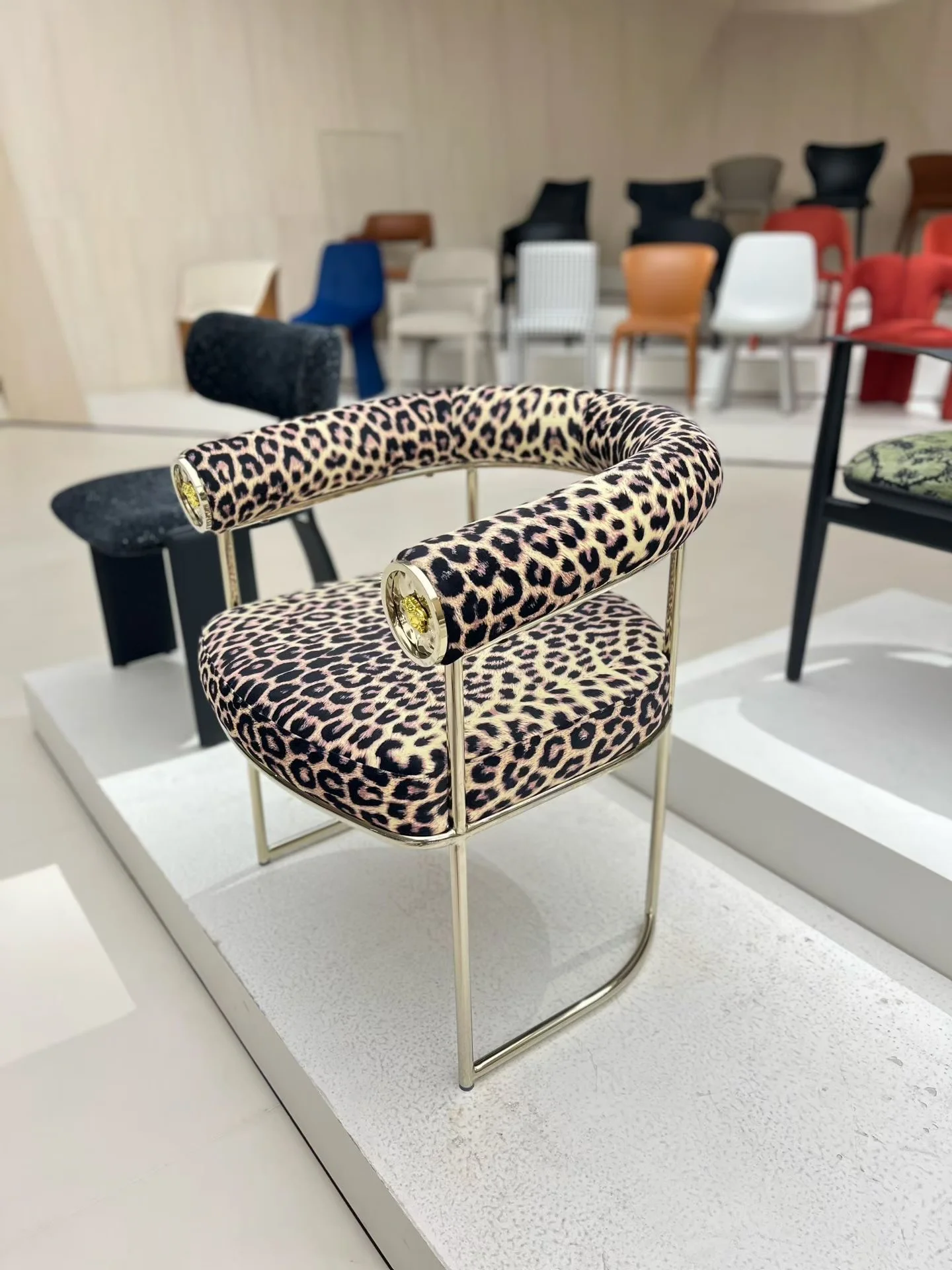
Ask which pieces are ready, how they’ll be packed, and how receiving can identify them. If four of six chairs go first, can the restaurant use those seats? Will the later two match in finish? Check two inspection and delivery windows, any extra installation cost, and who receives each batch.

Price each option through installation
A split can add freight, handling, or storage. A switch can bring cancellation and sample costs. Waiting can mean rescheduling installers. We’ll separate confirmed costs from estimates and show each option against the same installation scope.
Show the cost of each route where it changes the project
Start at the same delivery and install point for all three choices. For waiting, ask whether the crew can move its booking and what the next receiving window looks like. For switching, include any approved original payment that can’t be recovered, a new sample or quote, and the cost of moving the replacement. For splitting, ask how each batch will be protected, inspected, and delivered and whether the site pays for two visits.
A split can make sense if four chairs let the client use the dining room now and two can be matched later. If both batches are needed for the same opening, a staged route may cost more without solving the problem. Record the fees the project can confirm and give each estimate an owner and a date. Show what happens to the original order when the client approves a change.
Compare three routes for six dining chairs
| Route | Decision for the studio |
|---|---|
| Wait for all six originals | Verify the fabric date and whether the full set can arrive by opening. |
| Take four now and two later | Check that four seats are enough, the finishes will work together, and the second shipment is priced. |
| Switch all six | Confirm the substitute stock and allow time for the client to approve the change. |
If the client needs all six in the same finish for opening, put a deadline on waiting and check a complete replacement early.

Set a date for using the backup
If the replacement has to be approved Tuesday to reach the warehouse Friday, agree by Tuesday what factory confirmation would let you keep the original. Recheck the replacement stock before switching. Return any new price, design difference, or schedule change to the designated approver.
Explain what the decision means for the client
Say how many seats the client will have on opening day and when the rest can arrive. If the alternative comes as a full set, show it beside the table and include the price and delivery difference. Your studio can ask for a clear choice about timing, appearance, or both.
Give the client a decision that still has time to work
Say the factory needs to confirm the fabric by Wednesday for the original to make the next dispatch, and a backup batch would have to be held by Tuesday. Show the client both options before the earlier deadline. State how much furniture will be usable on the date it matters, whether the finish or shape changes, and what additional cost is known.
If a stock reservation is still pending, explain what will trigger a decision when the supplier replies. Once the client chooses, record the conditions, confirm the selected stock and transport windows again, and send the updated quantities and shipment instructions to the people doing the work. Keep any unaffected order on its original schedule. The studio should see when it needs to intervene and which steps the factory, forwarder, or installer can handle directly.
Give the factory, forwarder, and site team one plan
Once you’ve decided, we’ll update the models, quantities, collection, warehouse, and site dates. Each party will know what it is handling and which items still need tracking.