What Drawings Do Furniture Makers Need Before They Can Quote?
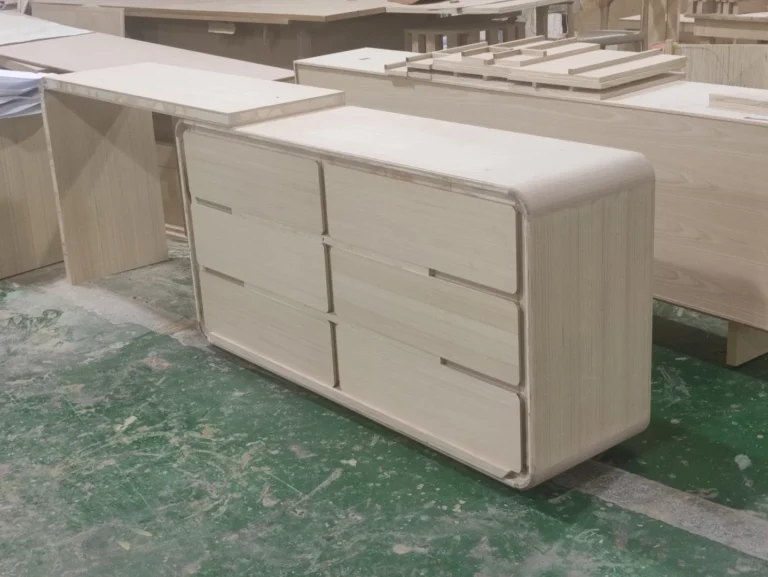
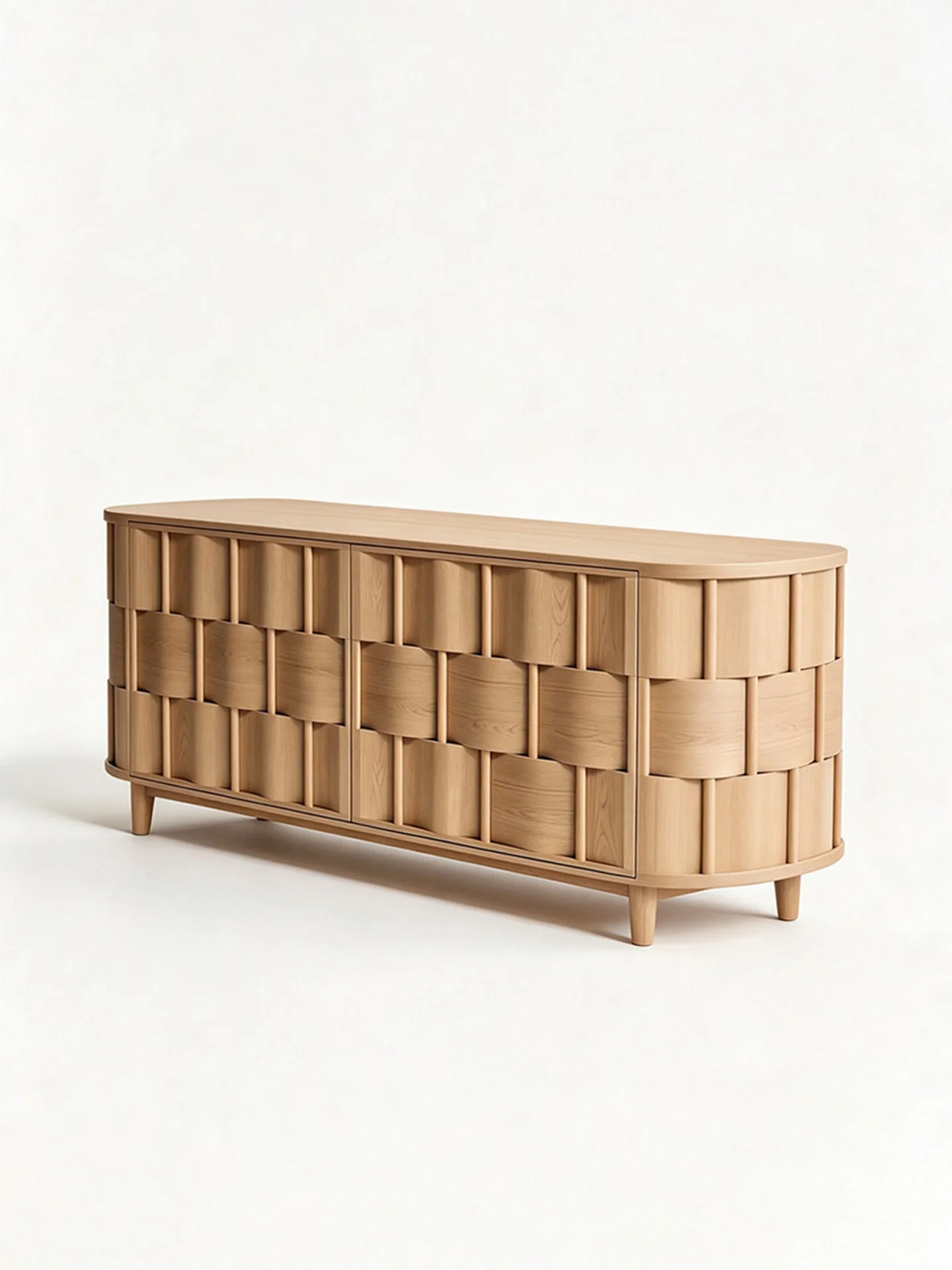
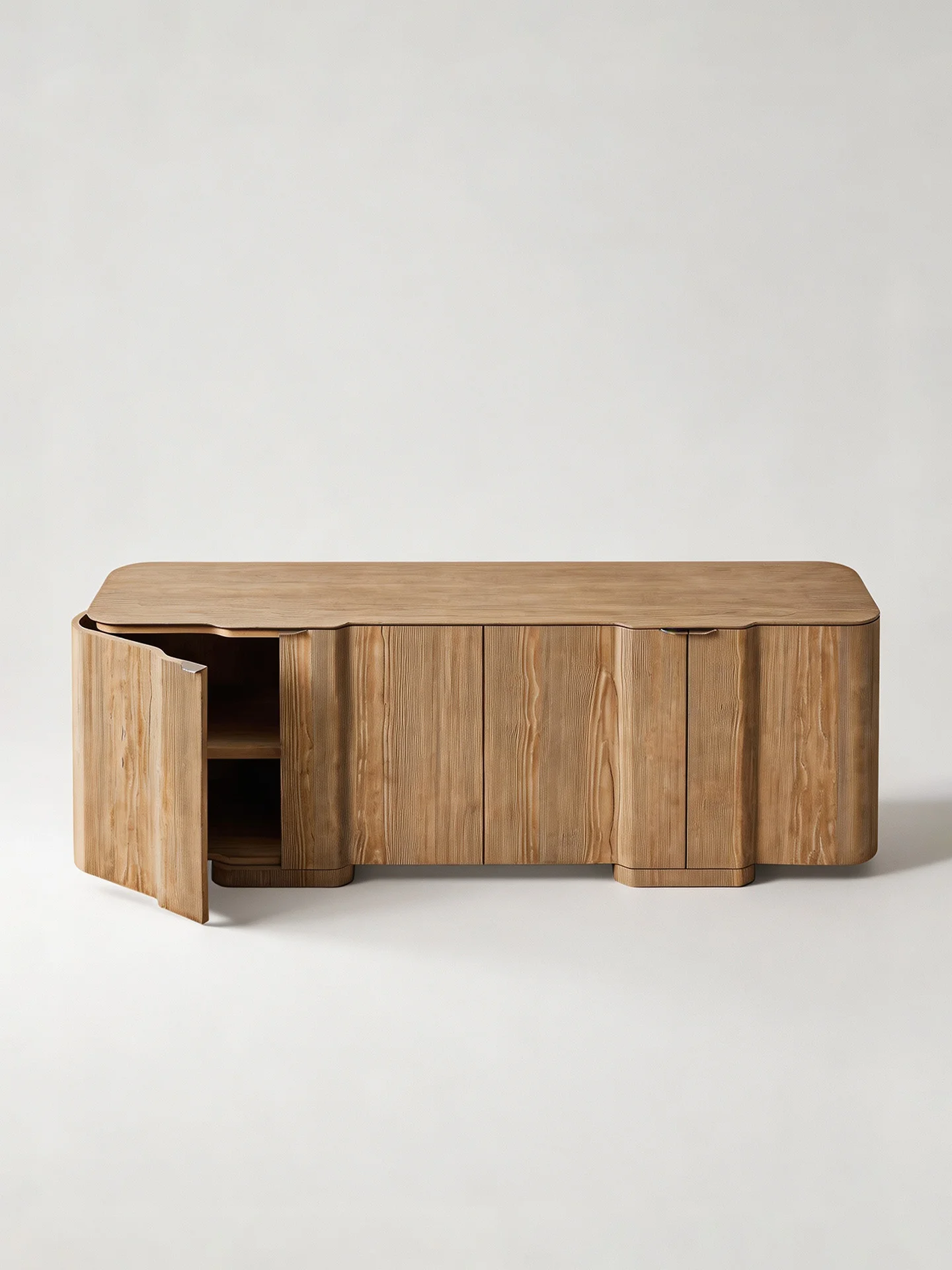
You’ve designed a curved sideboard, and the client loves the way the grain runs across the front. Before your studio spends more time on the drawings, you need to know where the maker would put a seam and whether it would show from the dining table. Send us a plan, an elevation, and a detail of the curve. We’ll ask the maker what’s practical and what it needs to quote the piece.
Start with the Detail That Could Change the Design
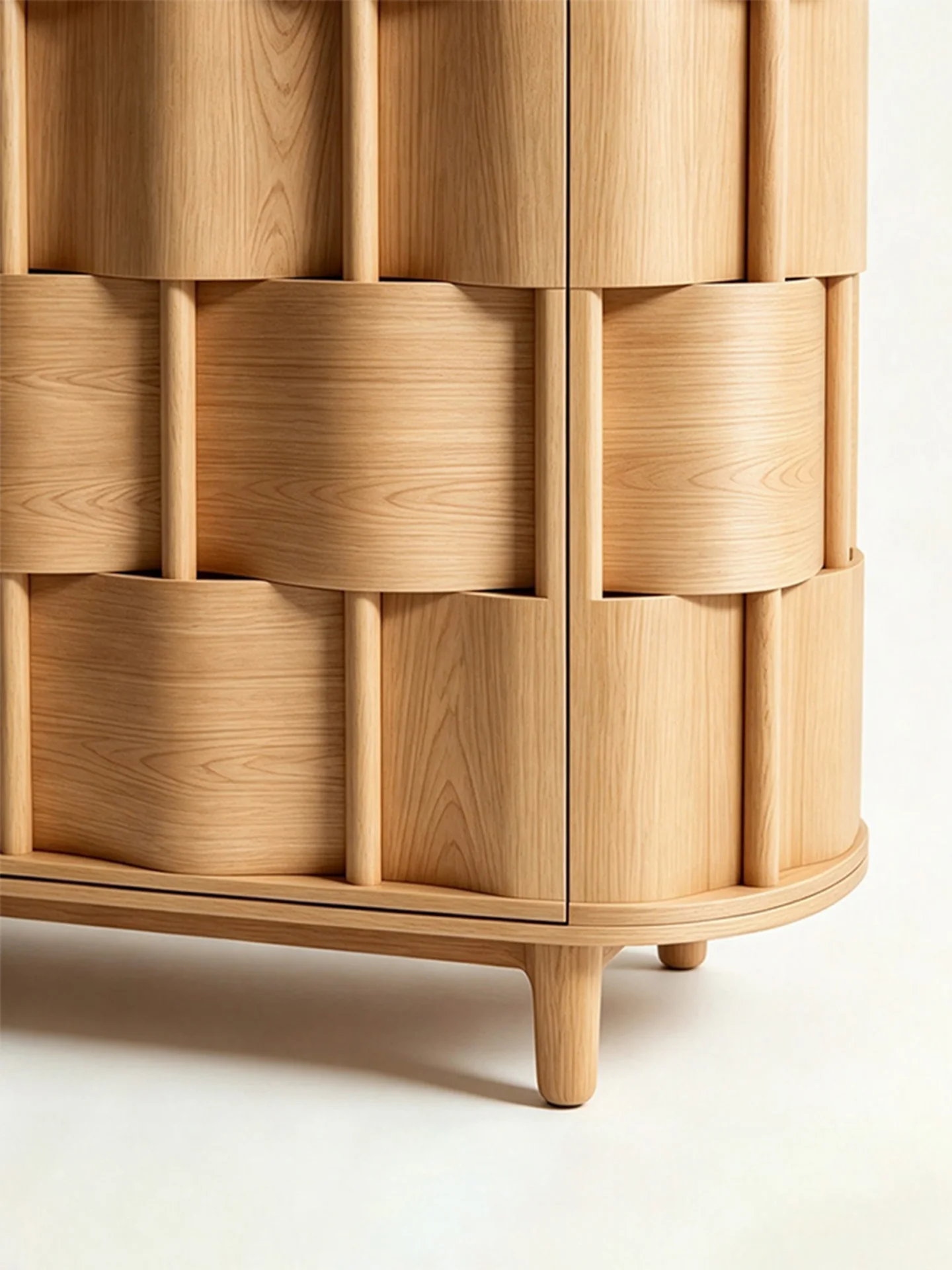
Focus the first conversation on the curve at the end, how the grain lines up, or how far the base can be recessed. We’ll ask what the maker can build and what it needs to know before pricing the job.
Show the Piece in Plan and Elevation
Use the plan to show the footprint, changes in depth, and how the doors open. Use the elevation to show door proportions, the base, and the surfaces you’ll see. Ask the maker to mark any proposed seam on both drawings.
Draw a Section Through the Junction
A section through the curve shows how the door, side panel, and top come together. If the pull needs to be concealed, add a detail showing how someone will grip it.
Flag the Dimensions You Need to Hold
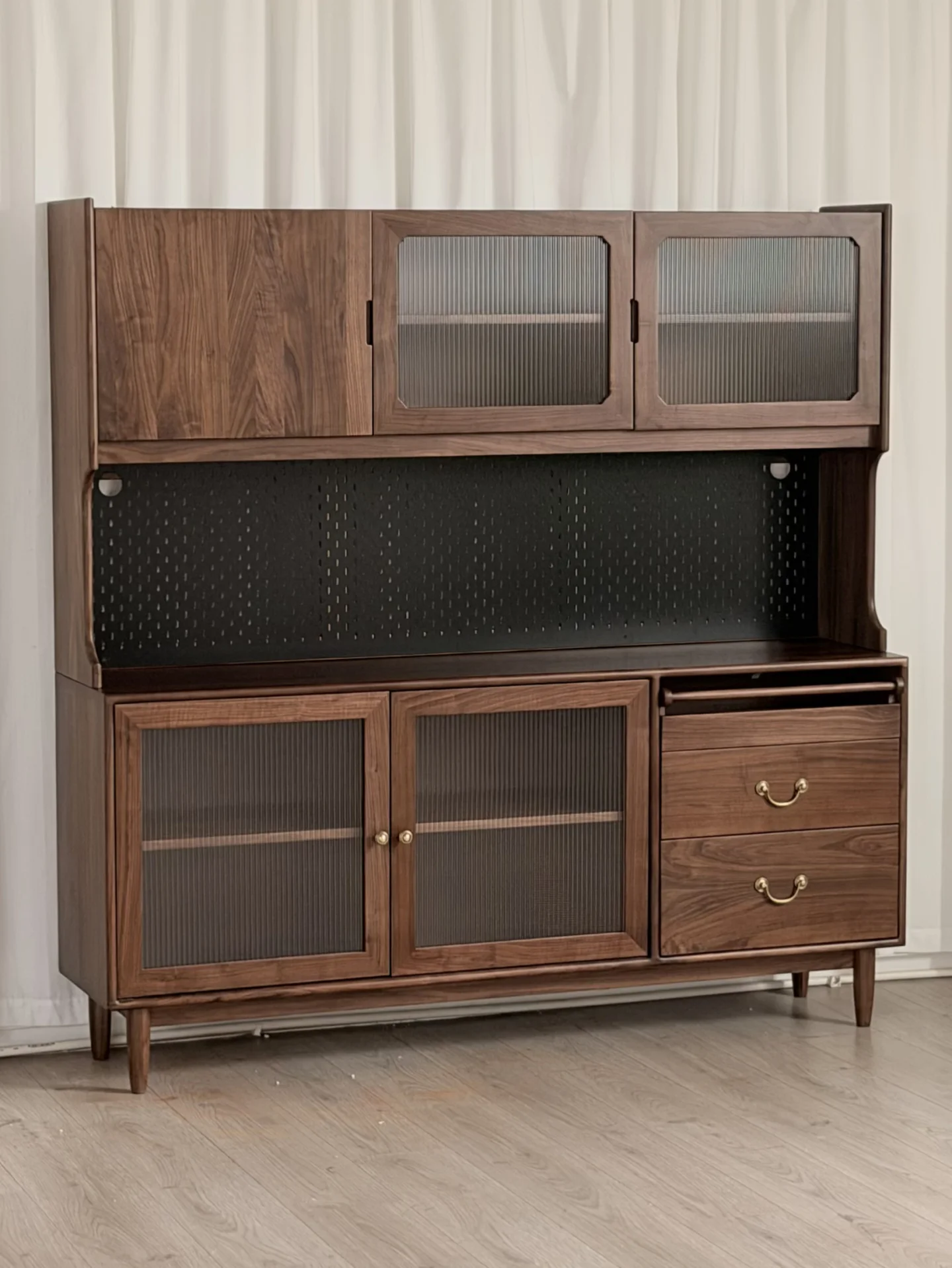
If the client has approved a concealed coffee station, send the appliance specs and required clearances. The maker can lay out the doors around those dimensions, and your studio can check the proposal against the approved elevation.
Label the Finish on Each Visible Surface
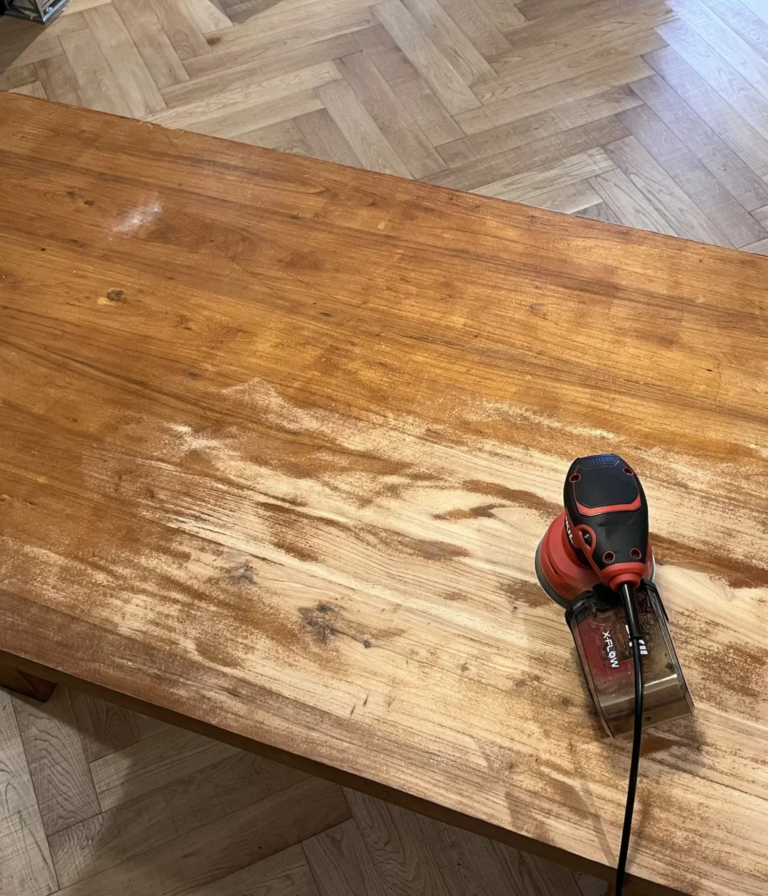
Call out the finish, grain direction, and sheen on each visible face. If a swatch has already been approved, include its code. We’ll find out which samples are available and which the maker needs to prepare on the proposed substrate.
Include Delivery and Installation Constraints
Tell us how many pieces you need, how they’ll be used, and where they’re going. Flag any tight doors or elevators. If the piece has to arrive in sections, the receiving team can check the largest one against the route.
Ask the Maker to Mark Up Your Drawings
We’ll ask the maker to mark what it can build as drawn, where it would make a change, and what it still needs to quote. If it suggests a joint or opening mechanism you haven’t used before, ask for a detail and how it will be tested.
Check How Proposed Changes Will Look
If the maker proposes a seam at the curved end, we’ll ask for its position on the elevation and any effect on price or schedule. You can accept that location, request a different one or compare a second maker’s approach.
Choose a Sample That Answers Your Question
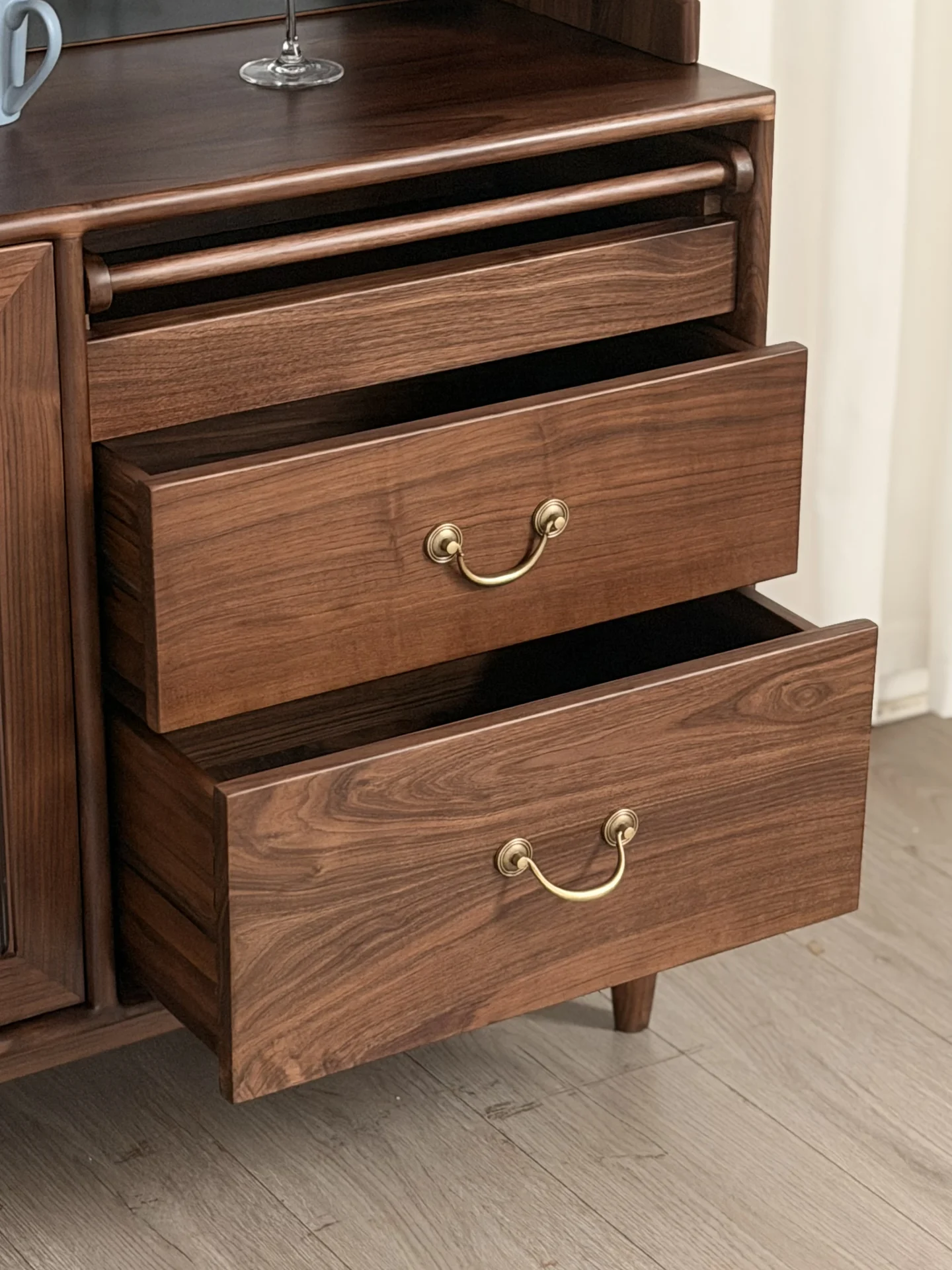
A wood swatch lets you check color and sheen. A sample of the curved corner lets you see how the grain meets at the seam. To check whether a drawer clears an appliance, ask for a shop drawing that shows both in place.
What to Send for a Curved Sideboard
For CB-05 Rev A, send the plan, elevation, a section through the curved end, and finish reference F-01. Ask the maker to keep the curved side panel and propose an interior layout. Check the seam and grain direction before commissioning a detail sample.