

Confirm the material reference before production.
Arcaya coordinates the checks agreed for your sourcing project. Confirm the inspection coverage, approved specifications, reporting requirements and responsibility for unresolved issues before production or shipment.

Confirm the items, quantities and sampling coverage before inspection.
Review points from sample confirmation to packing, selected for the order.
Checks are based on approved drawings, samples, finishes, and order requirements.
Inspection, packing and loading records are provided according to the agreed project scope.
Confirm the material reference before production.
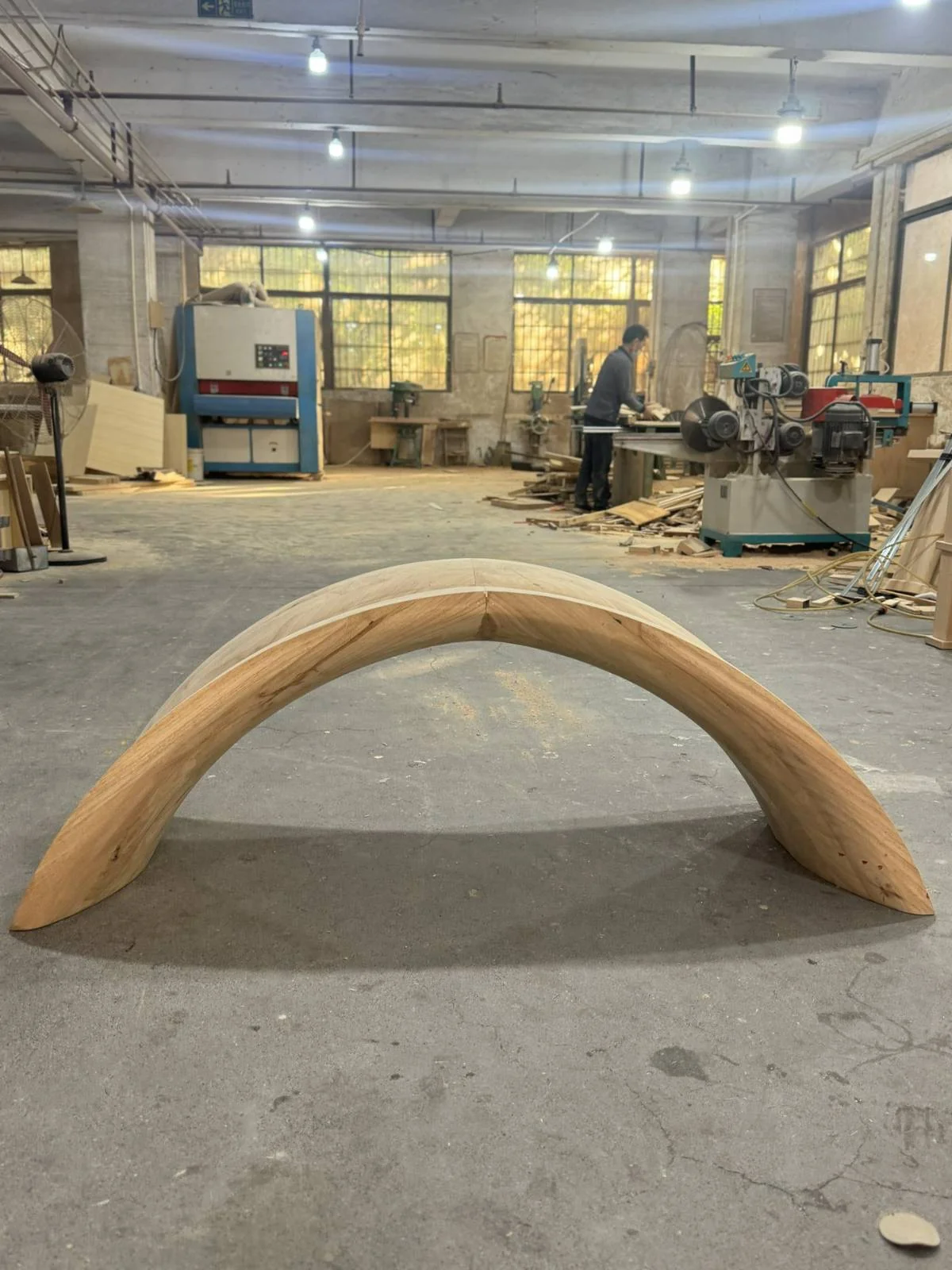
Review specified structure, curves and visible joinery.

Compare appearance and proportions with approved references.
Review packing protection and labels before dispatch.
Agree which stages apply to the order, who performs each check and what evidence is required. Sample, in-process, final-product and packing reviews have different scopes; none should be assumed to be included without confirmation.
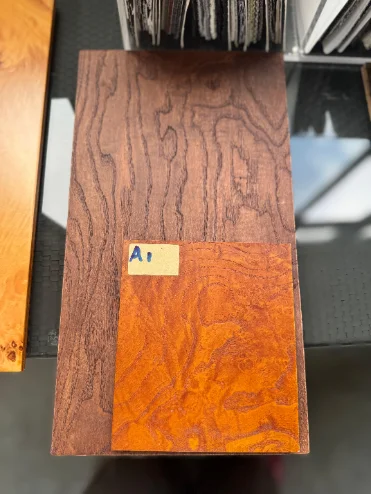
Confirm the approved sample codes and the material, colour and surface requirements to compare.
Where a sample or prototype is agreed, record the review and resolve open points before batch approval.
Agree any in-process visits or supplier evidence, the products covered and the production stage to review.
Record the agreed appearance, dimension, function and visible-detail checks before packing.
Compare item labels, quantities and protection with the packing requirements before dispatch.
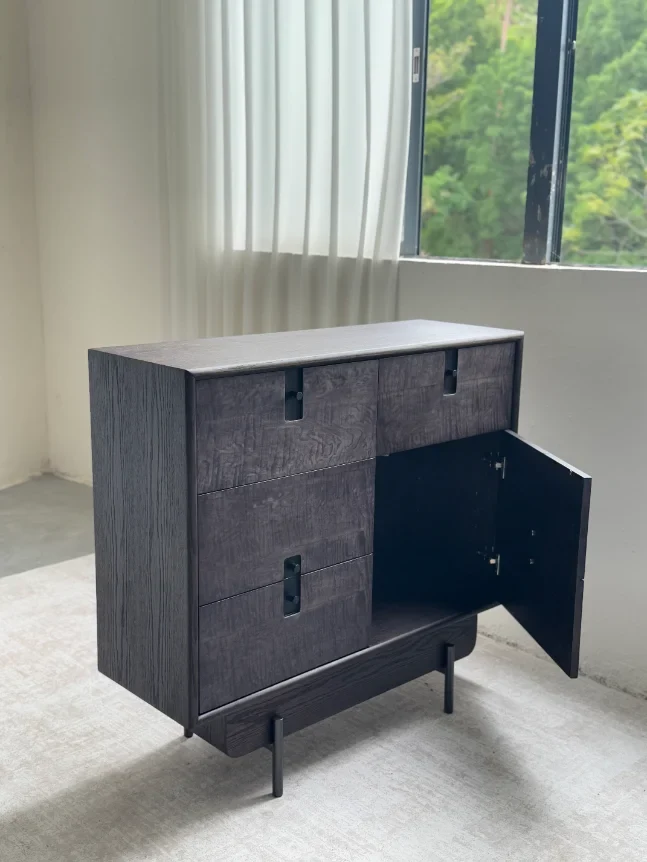

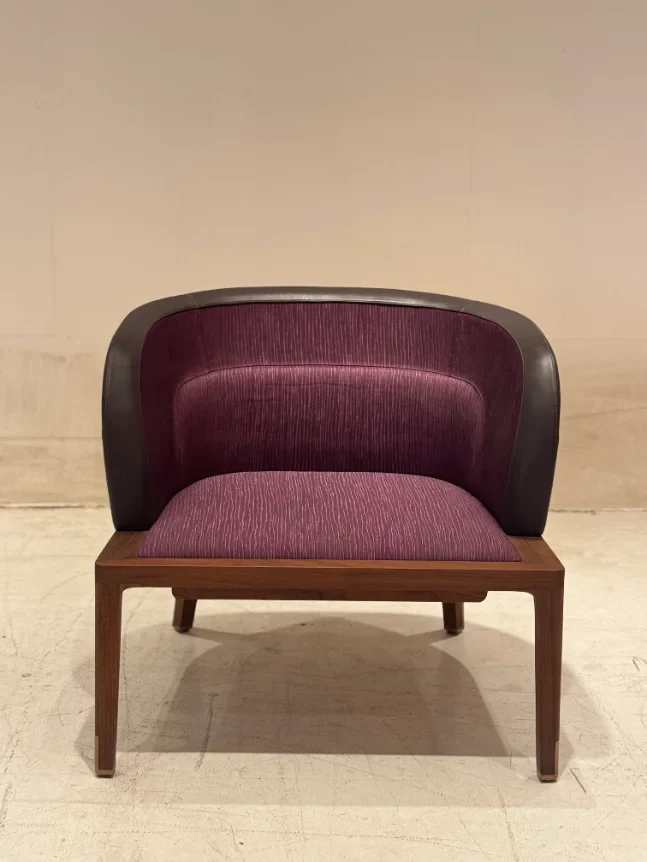

Use approved physical samples and written specifications to define wood, veneer, metal, upholstery and surface finishes. Arcaya coordinates the agreed comparison with suppliers; appearance alone does not verify material composition or performance.


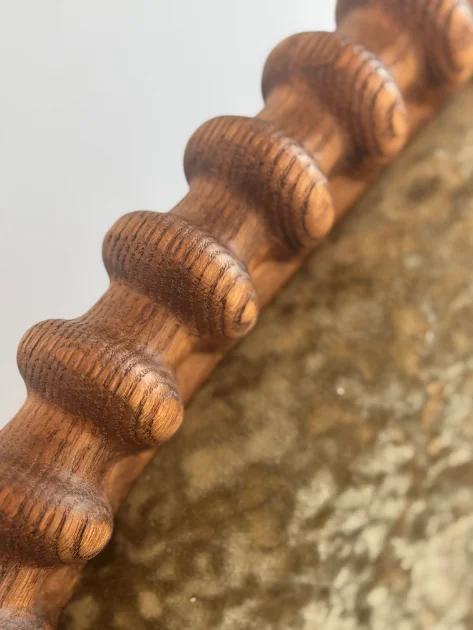
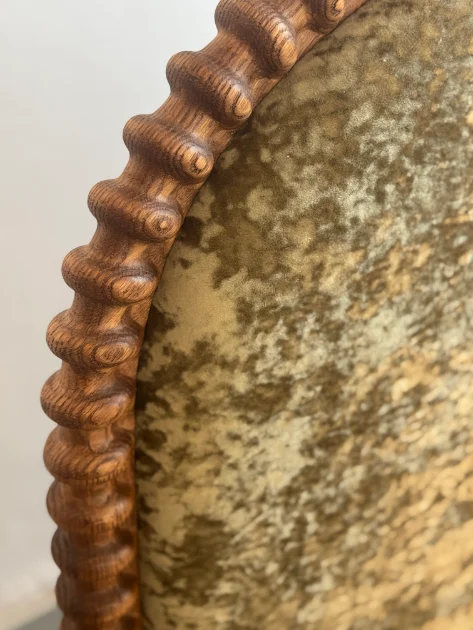
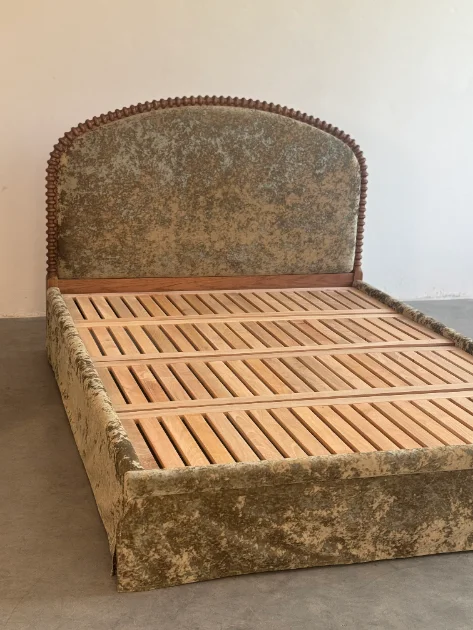
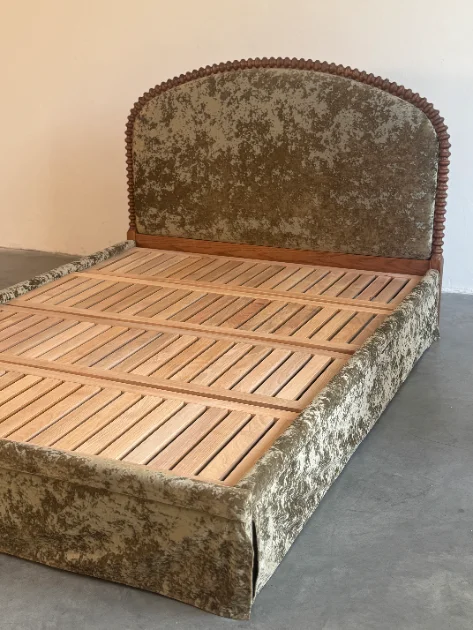

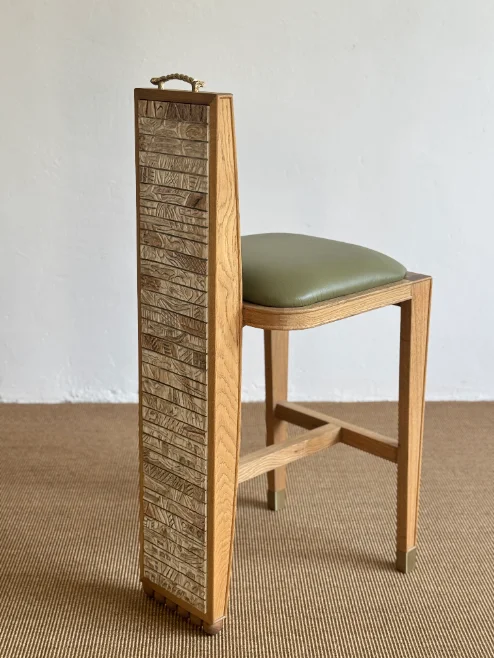
Specify critical dimensions, tolerances and functional checks in advance. Record measured values and visible joint, alignment and assembly findings. Specialist structural or load testing requires its own agreed method and evidence.


Where agreed, coordinate production-stage reviews and supplier updates against the current item schedule. Record the coverage, date, item codes and unresolved findings; supplier photographs and an independent inspection have different evidence scopes.


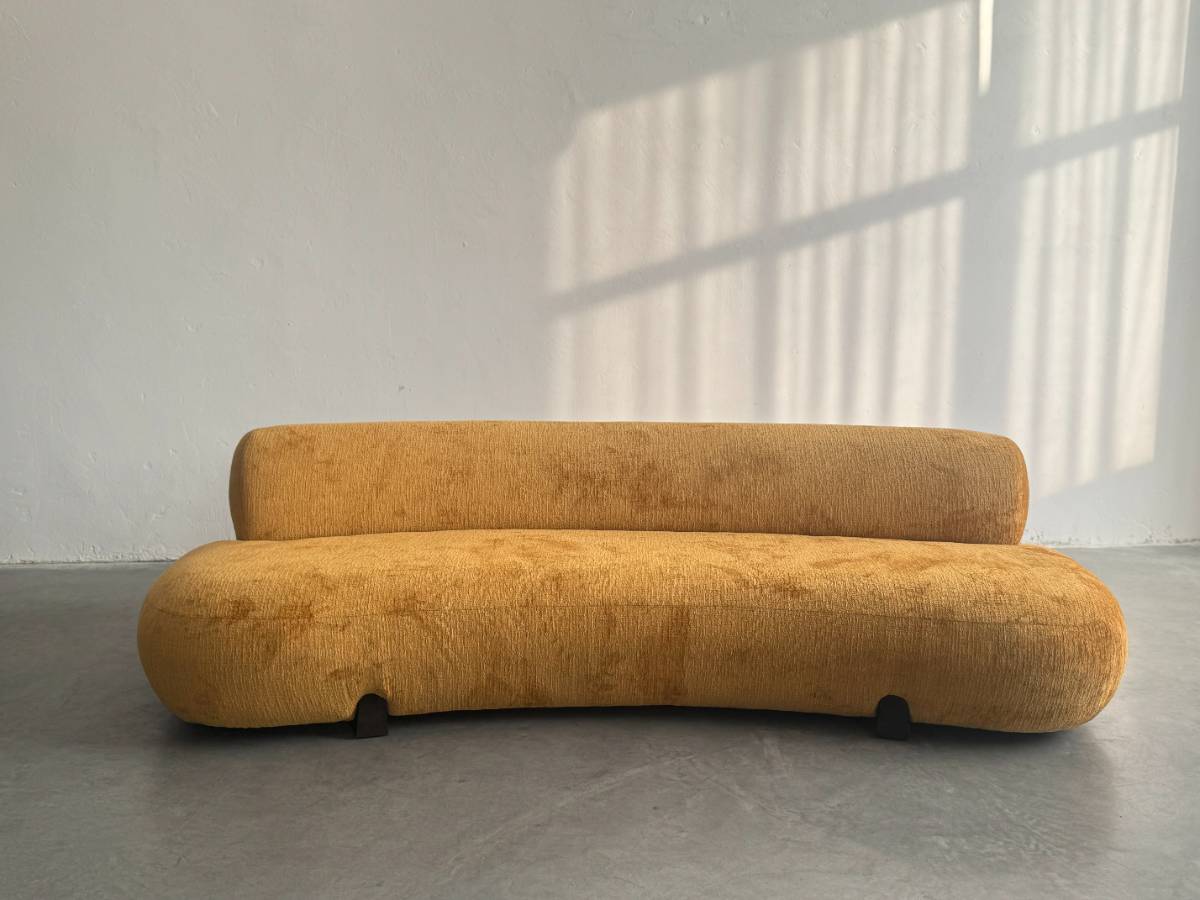
For upholstered items, agree the seam, covering, cushion and frame-interface details to review. Confirm who approves seat feel or comfort through a sample; photos cannot establish how a seat feels.
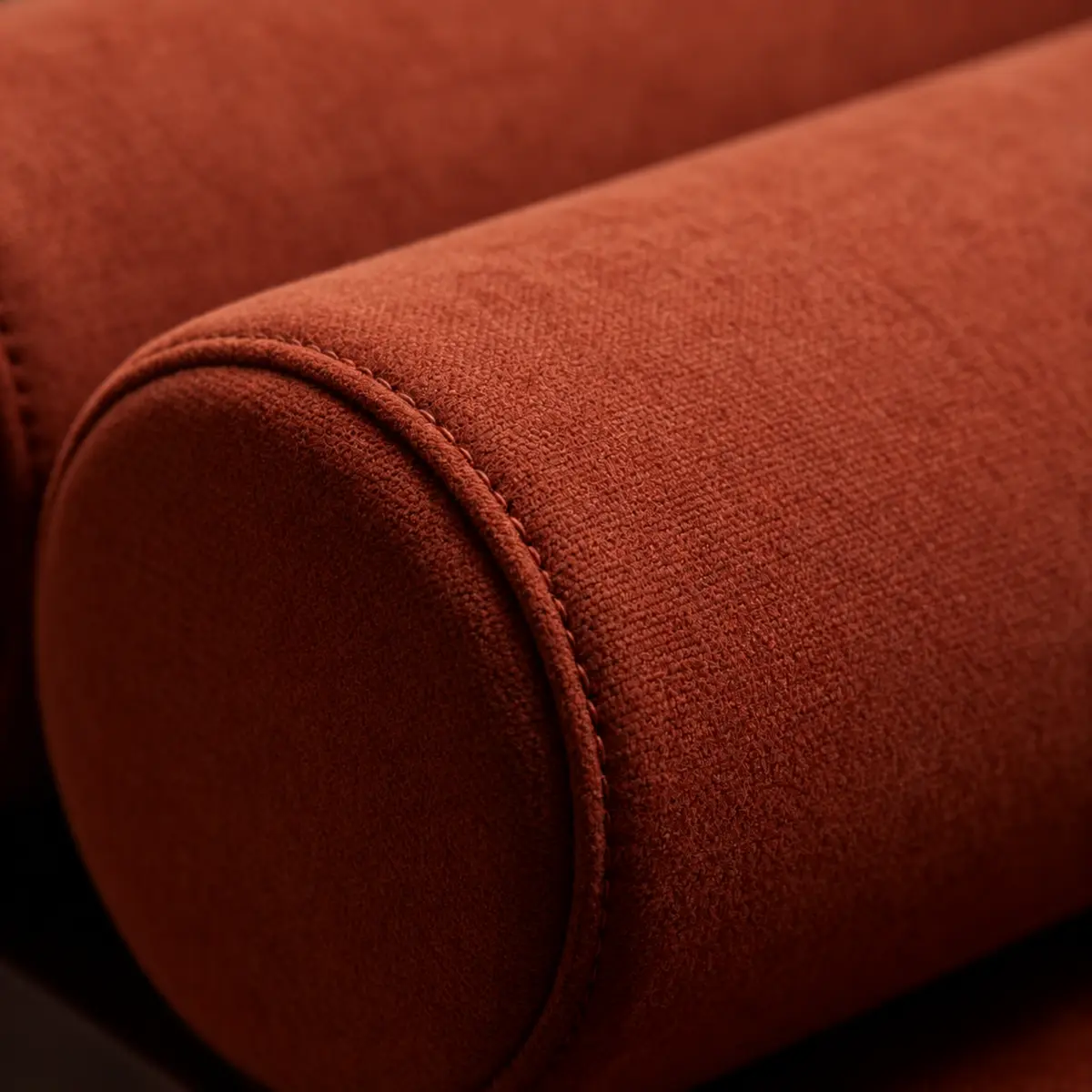
Fabric should sit cleanly around cushions and curves without uncontrolled wrinkles or loose areas.

Soft upholstery, wood, and metal details are checked where customers see and touch the furniture most.

Record seat dimensions and the approved sample feedback; do not infer comfort from photographs alone.




Before packing, compare the agreed items or sample against the approved drawings, samples and order requirements. Identify what was checked and what was outside the coverage. Record unresolved issues and the authorized shipment decision.


Agree packing protection, crate or carton requirements, item labels and loading evidence with the supplier and logistics parties. Record visible packing findings and quantities; a packing review does not guarantee damage-free transit.
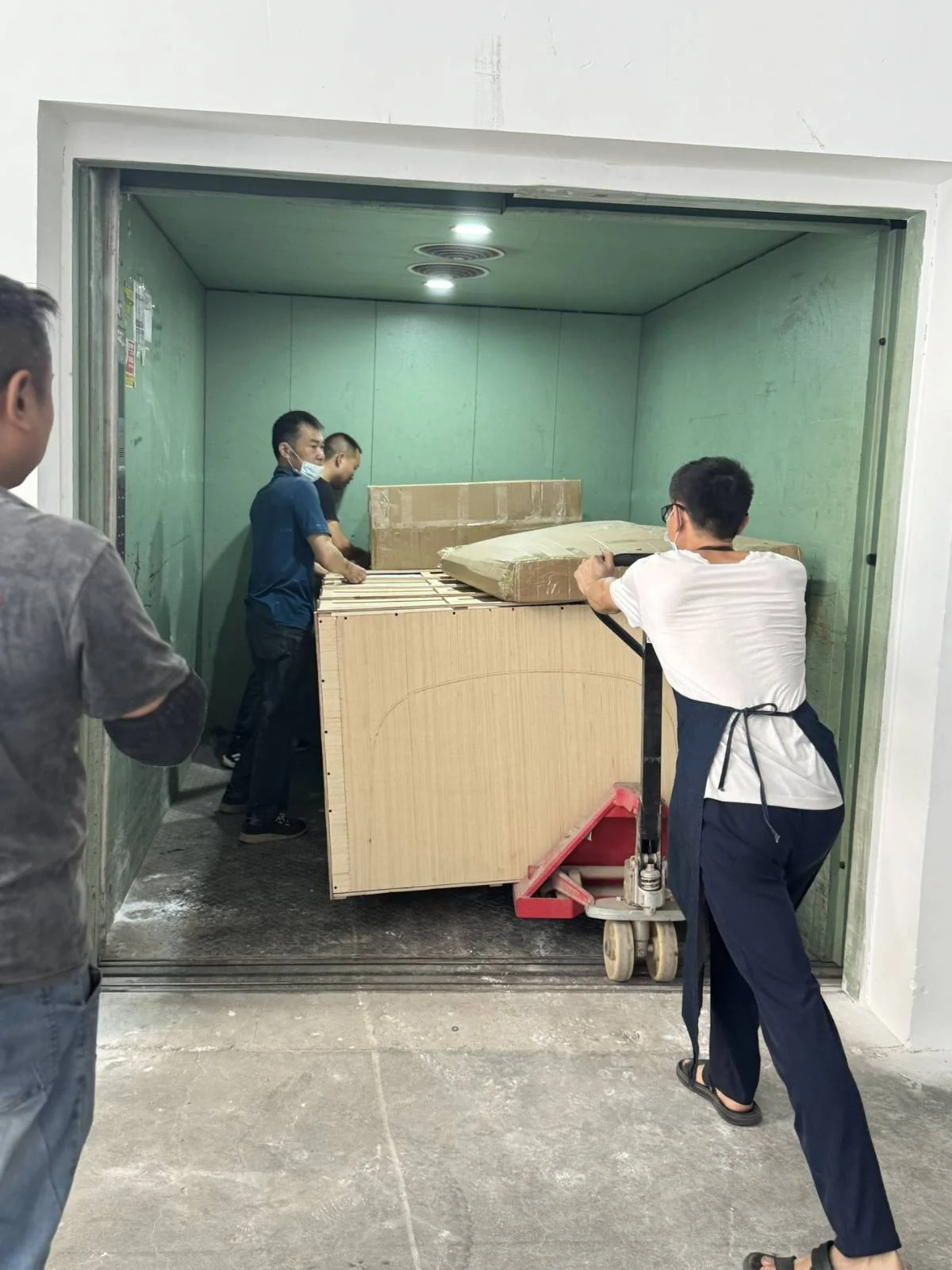


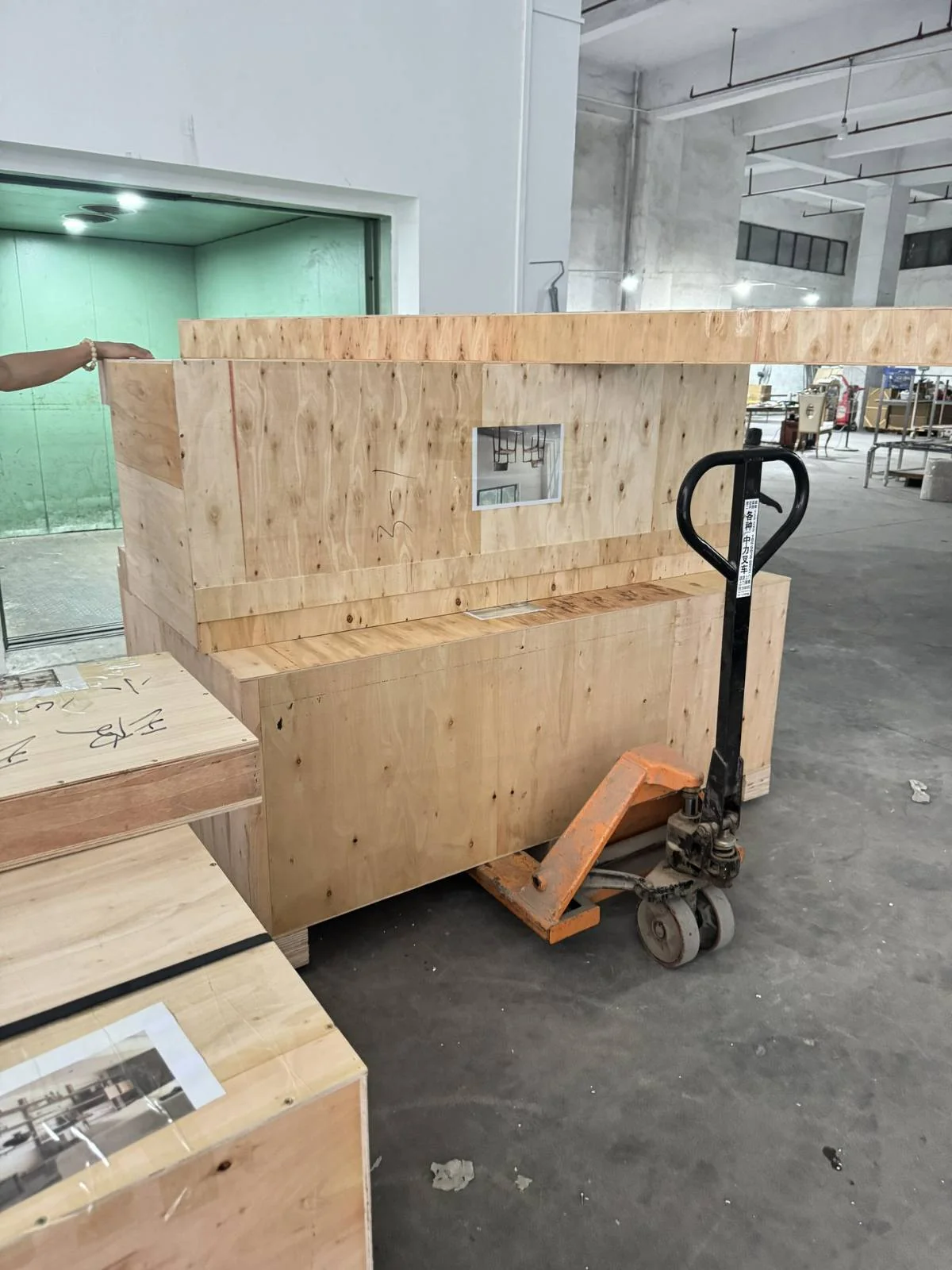
Inspection records are provided according to the agreed project scope. Link dated photos, measured values, item codes, approved references, findings and issue status. The images on this page illustrate check points; they are not an order-specific inspection report.
These answers are written for overseas buyers, designers, contractors, and procurement teams who need clearer visibility before shipment.
Agree the items, batch or sample coverage, review stage, check method and reporting scope before work begins. A standard visual review does not establish that every item or every performance requirement has been tested.
Confirm which material, progress, inspection, packing or loading records are included. Reports and photographs are provided for the agreed scope; identify the date, item references and any limits in the evidence.
Use approved physical sample codes and drawings as the comparison reference. Record visible variation and any acceptance decision. Material composition or performance claims need suitable supplier documents or separately agreed testing.
Coordinate protection suited to the product and transport route, then record agreed packing and loading checks. Clarify insurance, receiving evidence and the process for reporting transit damage with the logistics parties.
Record the affected item, finding and evidence. Ask the supplier for the proposed correction, agree a recheck and keep the issue status visible. Confirm who may accept an unresolved point or authorize shipment; correction, costs and timing depend on the actual order.
Send your product list, approved drawings or samples and any critical requirements. We will review the inspection scope, records and issue-handling responsibilities with you.
Confirm which photographs, videos, sample comparisons and packing checks are included. Records are provided by project; this page describes the process rather than a public order report.