How to Order the Sofa Cushion You Tried in the Showroom
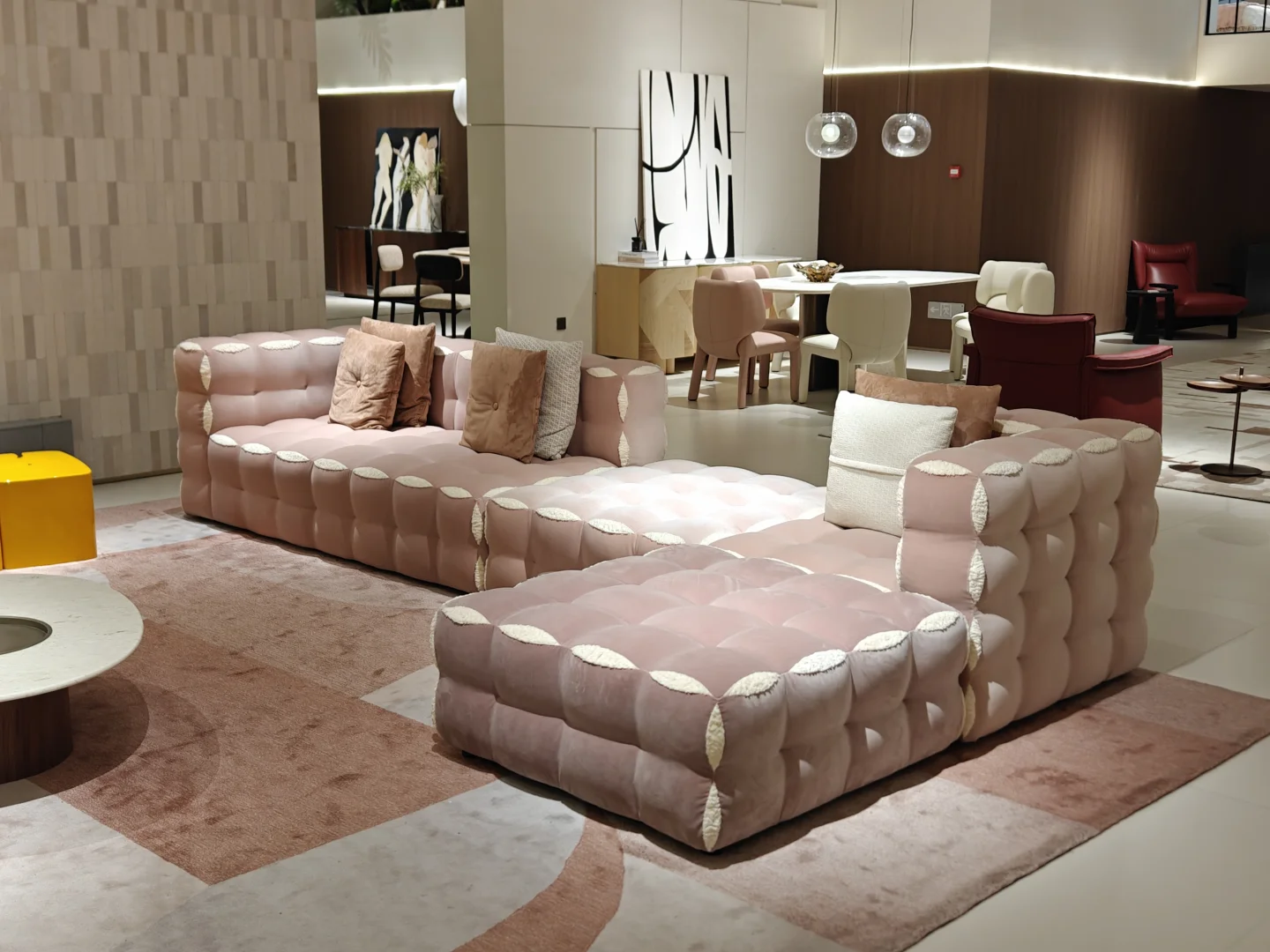
You sat on a showroom sofa and it felt right. The quote says “standard cushions.” As an interior designer, you need the factory to price the seat you tried or explain how its offer differs. At Arcaya, we match the display piece, modules, seat and back construction, and fabric to the version you can buy.

Identify the piece and the seat you tried
Photograph the whole piece and its label. Record the size, fabric, and whether you sat in the center, on the end, or on the chaise. Ask if the display piece has had a cushion replaced or has been reupholstered. If the showroom only gives you the collection name, ask for the factory configuration.
Describe what you liked in use
Was it the support while sitting upright, the back angle, or how easy it was to get up? Describe who uses the sofa and what they do there. A deep seat for leaning back can be a different brief from a seat where someone wants their feet flat on the floor.
Record how the showroom sofa was set up
Take a picture of the whole sofa and copy the model and label onto your visit notes. Mark the seat you tried and photograph its back cushion, lumbar cushion, and feet. Ask whether a cushion has been replaced or moved from another module, whether the feet are the quoted version, and which back or throw cushions are part of the order.
The same frame may be set up for lounging in the showroom and need a different arrangement for sitting upright at home. If the seat felt right with a removable cushion behind you, record that setup and ask which cushion the factory will supply. When two people try it, ask each to describe the same actions, including sitting upright and getting up. This gives your studio a reliable reference when it compares the quotation with what the client experienced.
Check seat and back cushions individually
Ask for the seat core, top wrap, support underneath, and the separate back fill. A firmness label may cover several builds. We’ll check which layers are in the display piece and which are in the standard version, and tell you what the maker has documented and what still needs a matching sample.

Check what changes when you choose another fabric
A different upholstery can change how the surface feels and how it’s sewn. Ask whether the seat and back construction carry across. If the only sample uses a different fabric, note which parts of the experience you’ll need to verify on your chosen version.

Map the build to the modules you’re buying
End seats, corners, and chaises may differ in depth or support. Ask the maker to mark the configuration at each position. For powered pieces, check the closed and extended states and confirm which position was tested.
Compare the parts the customer actually sits on
Ask for a simple diagram showing the support under the center seat, the end seat, and the chaise. Have the factory show the seat and back construction for each place you tried. If it says the model is available with two cushion types, ask whether the option changes all seats or only particular modules.
A deeper chaise can feel different from a center seat even when the factory uses the same cushion name. If the client spends most of the evening on the chaise, include that module in the fit and trial. For reclining seats, ask which positions available on the display will be present in the supplied configuration. We can tie each point to the module drawing and quote so you know which conditions a repeat trial can confirm and which need a different display or a sample cushion.
Ask for separate prices for the two builds
Get the seat and back specification for each quote. If the showroom build is an upgrade, ask for the price and lead time for both. You can then see what you would be paying to preserve.
Retest the closest version before approving
At the same module, sit upright, lean back for a while, try the end position, and stand up. Comments such as “the arm is easier to push off” or “my lower back sits farther behind the cushion” give the studio something to compare. A clip can show compression and recovery. Comfort is better judged by the person who will use it.

Put the configuration on the purchase specification
Record the display ID, seat and back build, upholstery, modules, and quote revision on one line. If the factory proposes a substitute fill later, request a comparison before accepting it.
Decide which checks can be confirmed before shipment
Specify whether you want a construction sample, a photo of the build, or a trial of an assembled item. The factory can show tags, the position of each cushion, or a build reference before packing, assuming you’ve arranged for those checks. A remote demonstration can show how a cushion compresses or fits next to the arm.
If comfort drives the purchase, ask whether someone can try a seat with the agreed construction and fabric and record where they sat. Compare the result with the original notes about support, posture, and getting up. If an end module doesn’t perform like the one approved, ask for the specific build difference and how that part could be corrected. Record the affected unit and what you need to approve, while allowing the team to check the rest of the order against the existing specification.
Use the showroom notes to resolve a vague quote
Say you tried the center of a three-seater, but the quote only says standard cushions. Ask for the two fills, support methods, prices, and a trial on the same module. Once agreed, you can specify “same seat support and back cushion as the display center seat, fabric B06.” Ask for the build description if the maker only uses firmness names.

Inspect the build that was approved
Have the factory assemble the intended shipment configuration and show labels, cushions, and connectors. If internal construction matters, arrange a sample cushion or production photos in advance. A remote check can confirm visible criteria. Note the conditions of any seating trial so the studio can decide whether an in-person recheck is needed.