How to Mark Up Furniture References for Your Sourcing Agent
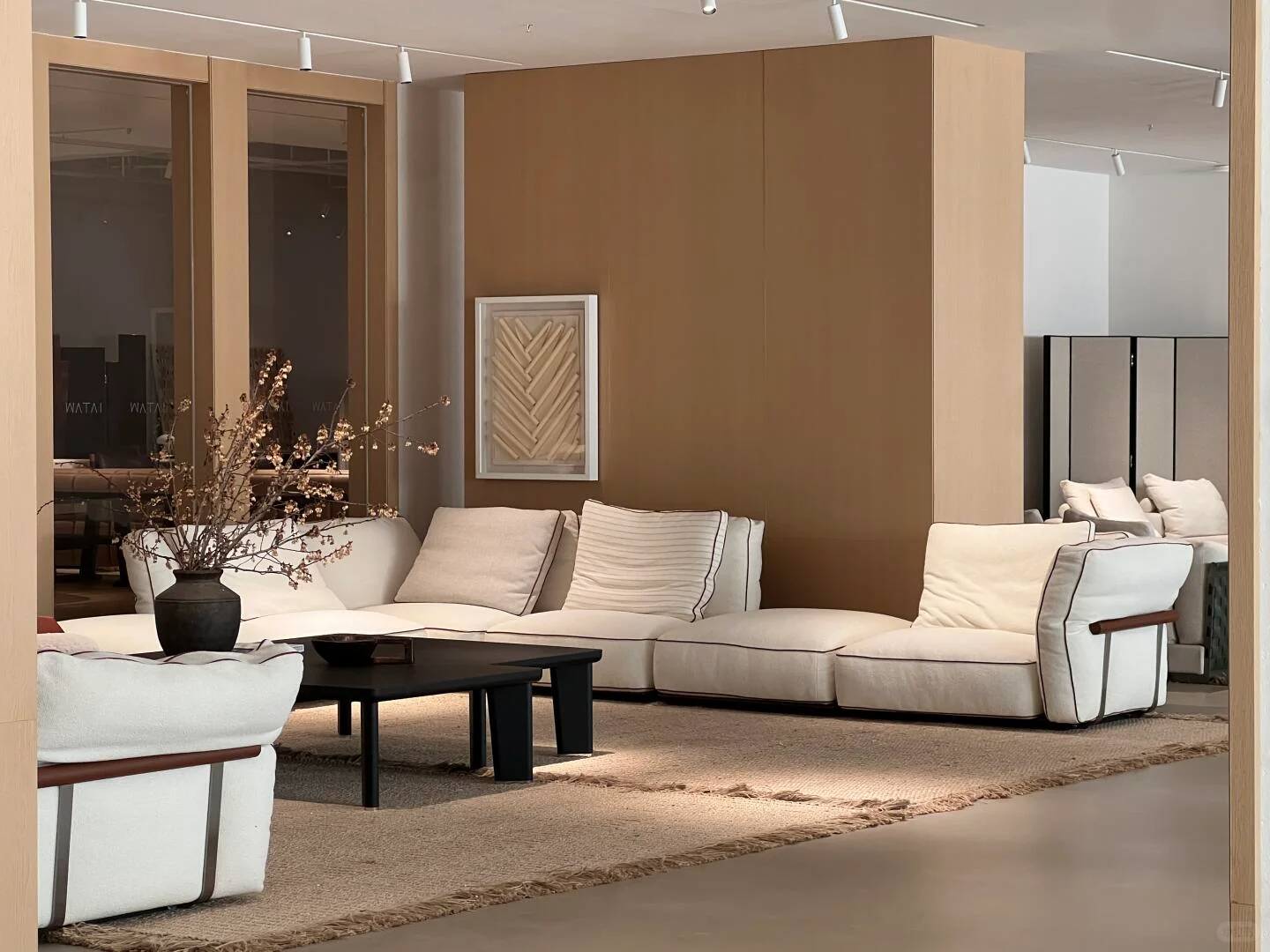
Your client has picked out a low-backed sofa on your studio’s living room mood board. You’ll see its back from the dining room, so the clean line across the back and the exposed wood base matter. Mark those details on your references and we’ll get the supplier photos and measurements you need to compare options.
Give Each Reference Photo a Purpose
Use one photo for the side profile, another for the wood tone, and a third for the cushion seam. When the photos show different pieces, label the detail you want us to take from each.
Mark the Proportions the Client Liked
On a side view, mark the top of the back, the arm, and the seat. If you want a low profile and enough back support, we can ask for a straight side view and the height of the back measured from the seat.
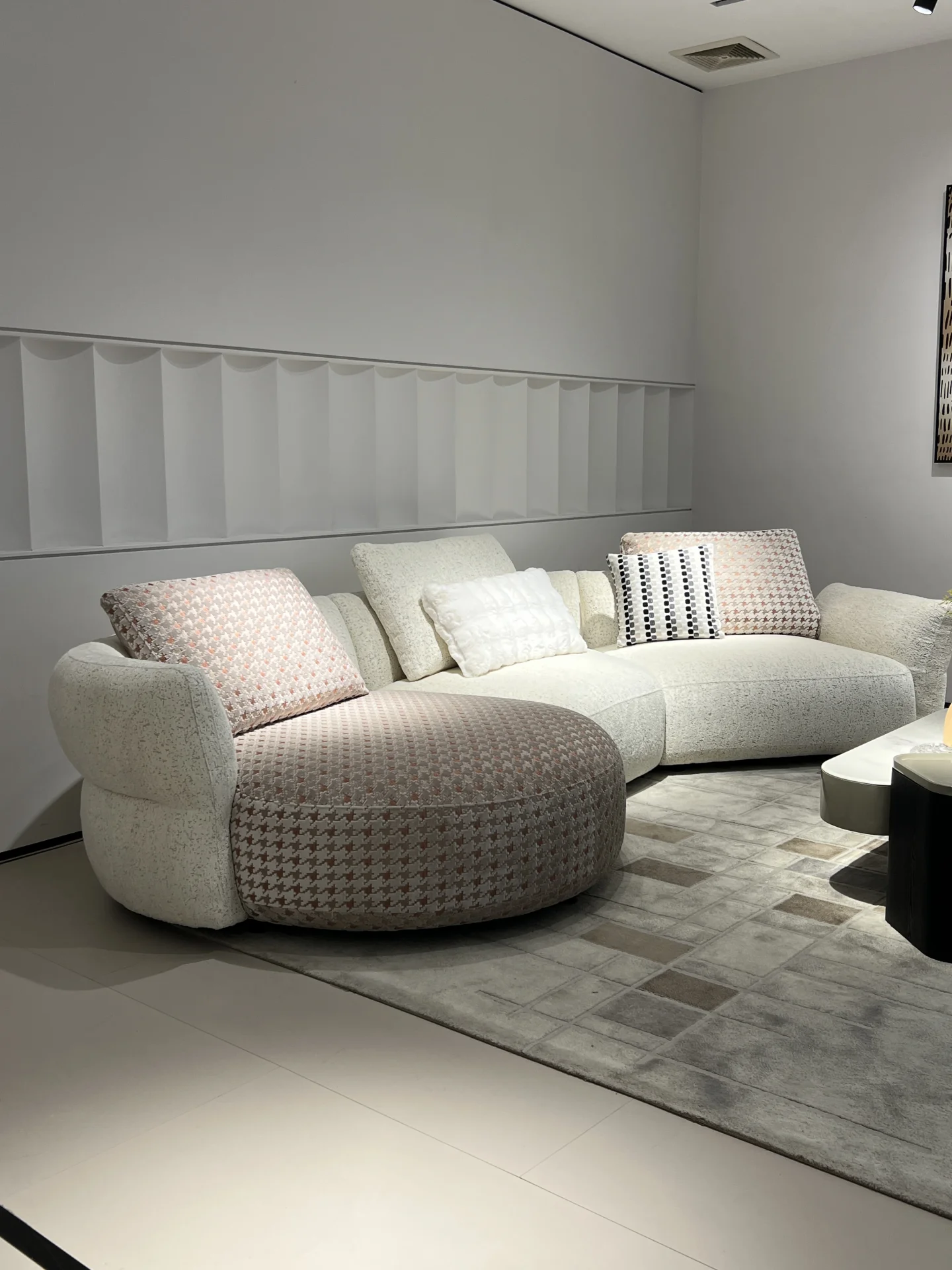
Call Out Finishes on the Surfaces That Matter
Call out the wood grain, sheen or fabric texture you want on specific surfaces. We can use close-ups to narrow the options and request labeled swatches for the ones you want to review under the project lighting.
Put the Size Limit Next to the Image
Write the maximum width and depth, the units, and the drawing revision next to the image. If the 2,250 mm limit keeps the walkway clear, let us know so we can check the sofa against that route.
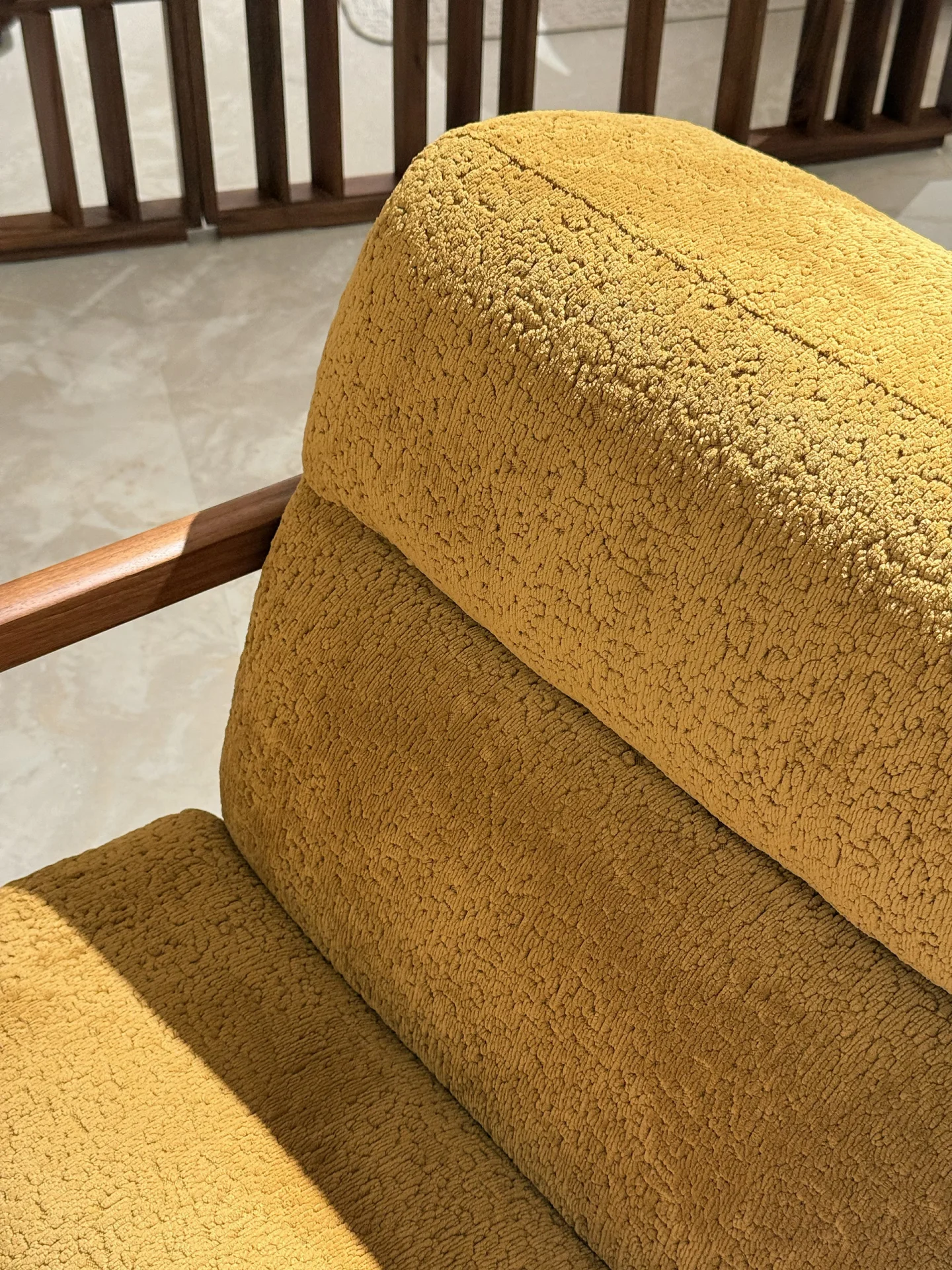
Show Suppliers Where You Have Flexibility
You might keep the wood base and consider either oatmeal or warm gray upholstery. Tell us whether you’d also consider a different seam or arm shape. That gives us room to check stock options and ask about modifications.
Ask for Photos from the Angles You’ll See
Mark the view from the dining room on your plan. We’ll ask for a full rear view and a close-up where the back meets the base. If there’s a seam you’ll see from the table, we’ll flag it in the photo.
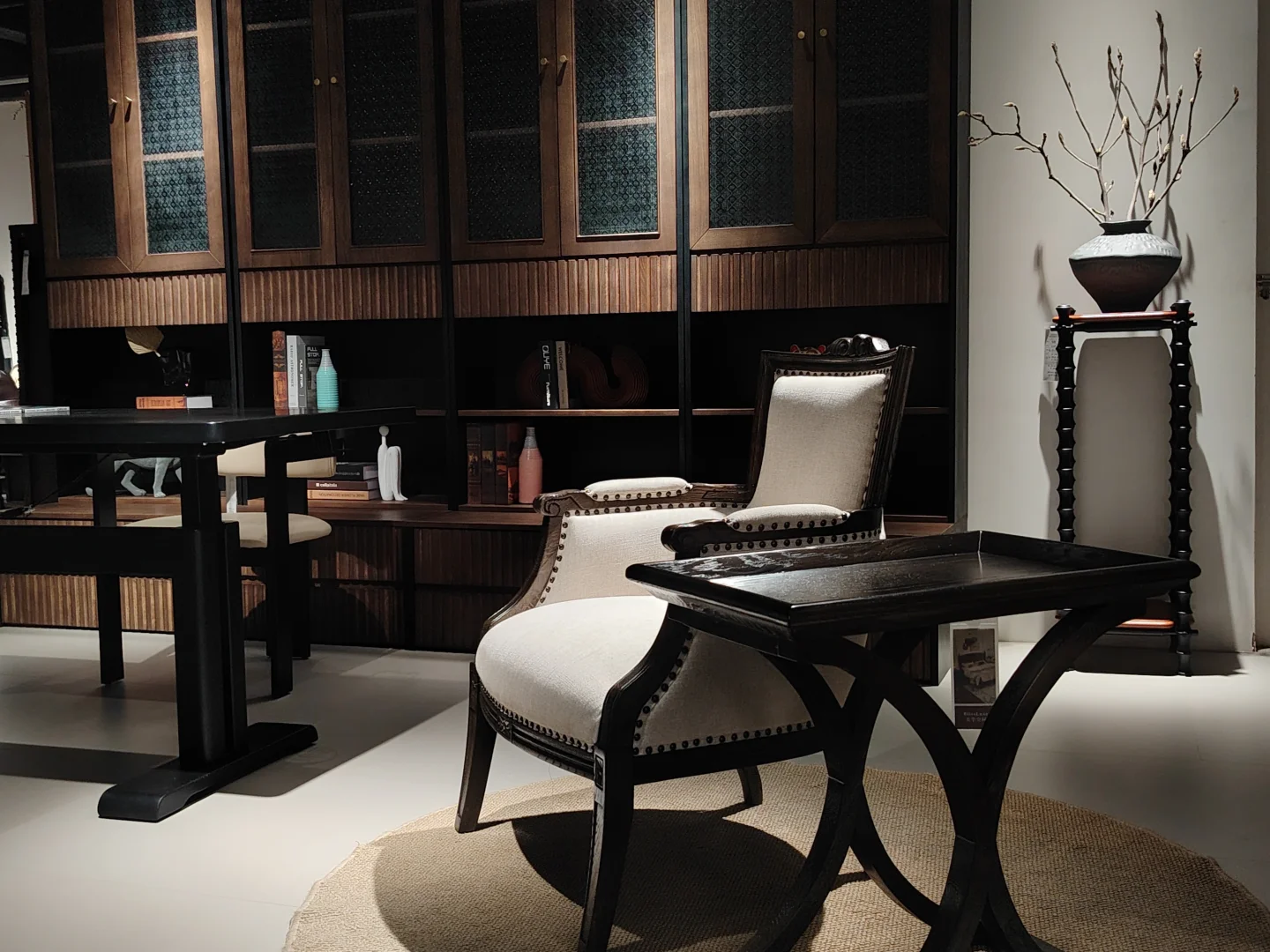
Tell Us Whether You Need the Original Model
If the exact piece is specified, send the brand and full model number so we can check availability. If you’re open to alternatives, tell us which features need to work the same way or look the same in the room.
Turn Your Notes into Supplier Questions
A note like “slim arm” gives us a starting point. We’ll ask how wide the arm is at its widest point, request a straight side view, and check whether the shorter sofa uses the same arm.
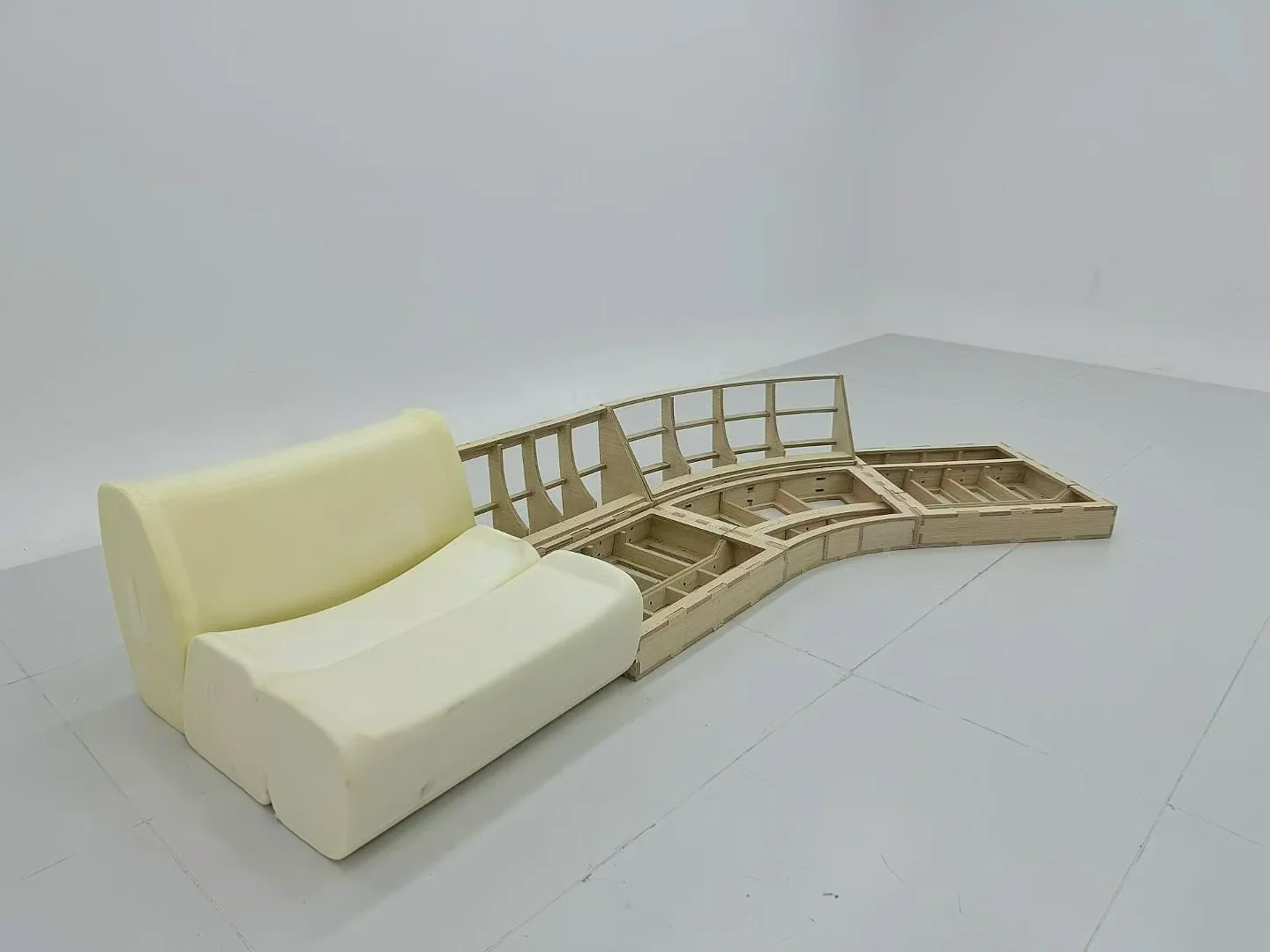
Compare Every Option Against the Same Markup
Put each candidate beside the marked-up reference. One sofa might match the line across the back but have an upholstered base. Another might have the exposed wood you want and a split back. Decide which trade-off you’re comfortable showing the client.
A Sample Markup for a Living Room Sofa
For S-04, mark the continuous line across the back, the arm proportions, and the exposed wood base. Set a maximum width of 2,250 mm and give us two warm neutrals to look for. We’ll send front, side, and rear photos along with a dimensioned drawing and available swatch codes.