Which Furniture Samples Can We Check in China, and Which Should We Send You?
As an interior designer working overseas, you can assess some details without waiting for a parcel. We can film a cabinet door opening and measure its clearance in China. If the question is how the wood looks beside your project flooring or how an upholstery fabric feels, you’ll want samples in hand. At Arcaya, we plan the checks and the shipment around the decisions your studio needs to make.

Give each sample a question to answer
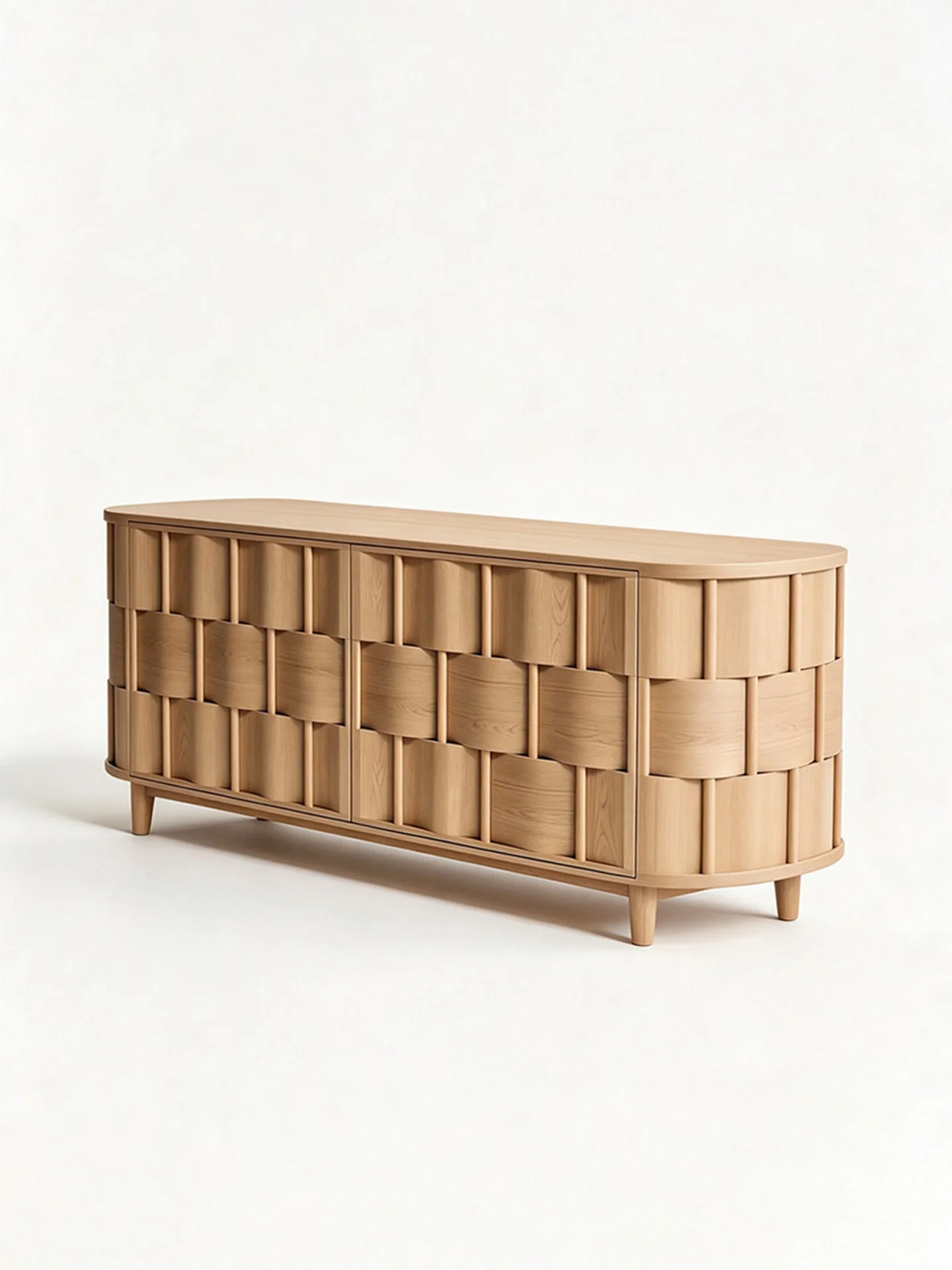
A sideboard might need a drawer video, a wood swatch, and a corner sample. List what’s being checked and who approves it. We can check whether an open drawer hits the next door while the shortlisted wood finishes are on their way to you.
Check the samples before paying to send them
We’ll match the supplier, sample ID, material, substrate, and intended application. If the veneer is wrong or the finish comes back much glossier than specified, we’ll document it and ask the factory to correct it before it goes in the parcel.
Make a sample request for the person who will approve it
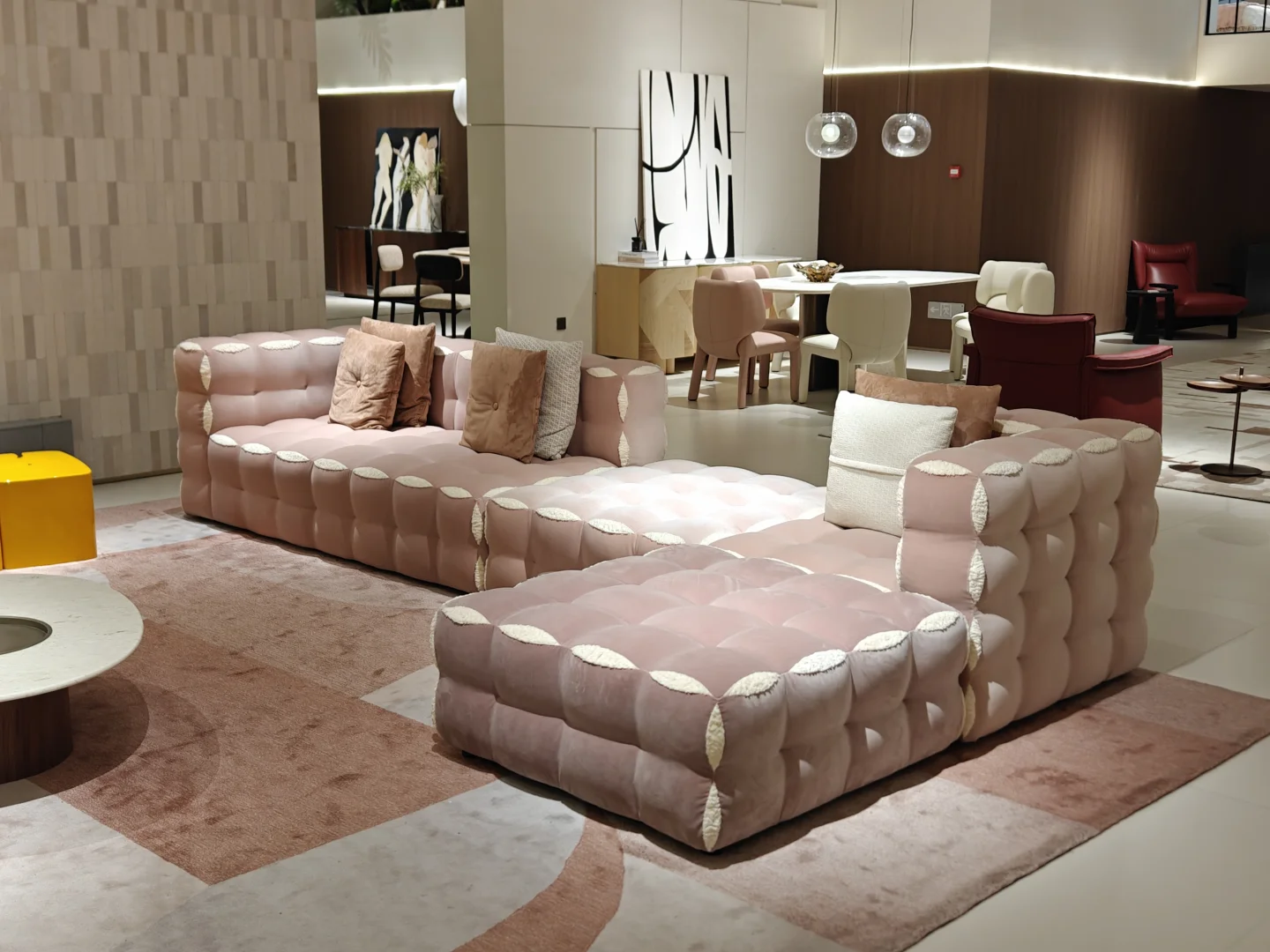
Put the furniture ID, area, and question on the same request. For a sofa, the designer might approve seam placement, while the client needs to feel the fabric against an alternative and see both beside the rug. Ask for the amount of material each decision needs.
A smaller chip may be enough to rule out a finish during early sourcing, while a repeat that crosses the back of a sofa needs a larger swatch. For a door that must open beside a wall, request the drawing and a measured demonstration if the sample uses the same hinge and case. We can schedule the local check while the materials are being collected. If the fabric can’t arrive in time for the review, identify which decisions can go ahead and move the rest to a later meeting.
Use video for movement and visible workmanship
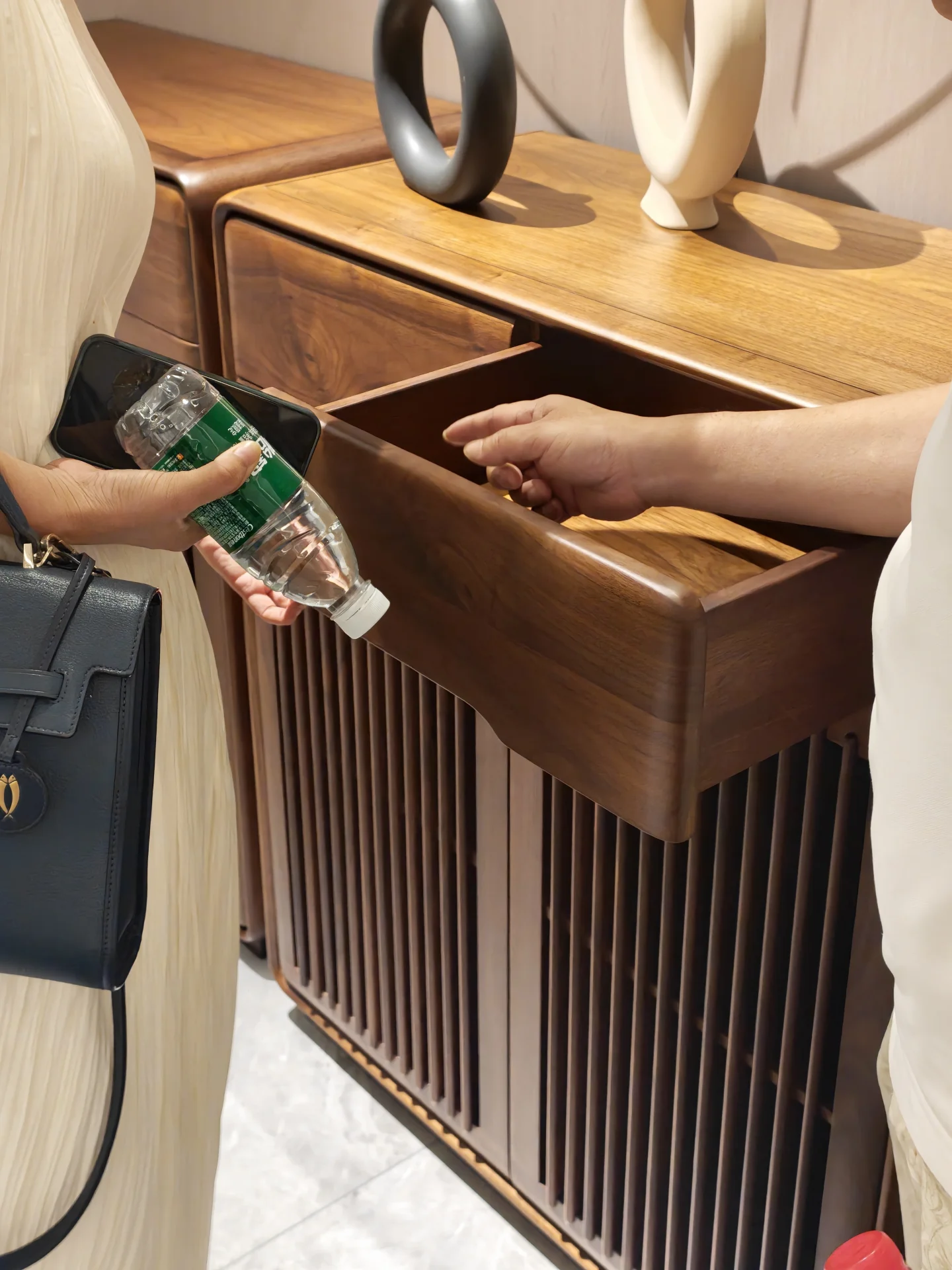
Ask for a shot from closed to fully open, with the angle or projection and the measuring points in view. For hardware or joinery, film the relevant area close up after showing the complete piece. If the sample differs from the quoted setup, we’ll say what still needs to be checked on the right version.
Screen wood samples under the same light
Compare the options next to the same reference and look for changes in undertone, depth of color, and sheen. If we only have a photo of the flooring, we’ll use it for a preliminary comparison. We’ll send the closest physical samples for you to view alongside the actual flooring. If we include a contrasting sample, we’ll explain what choice it helps you make.

Send fabric when hand and scale matter
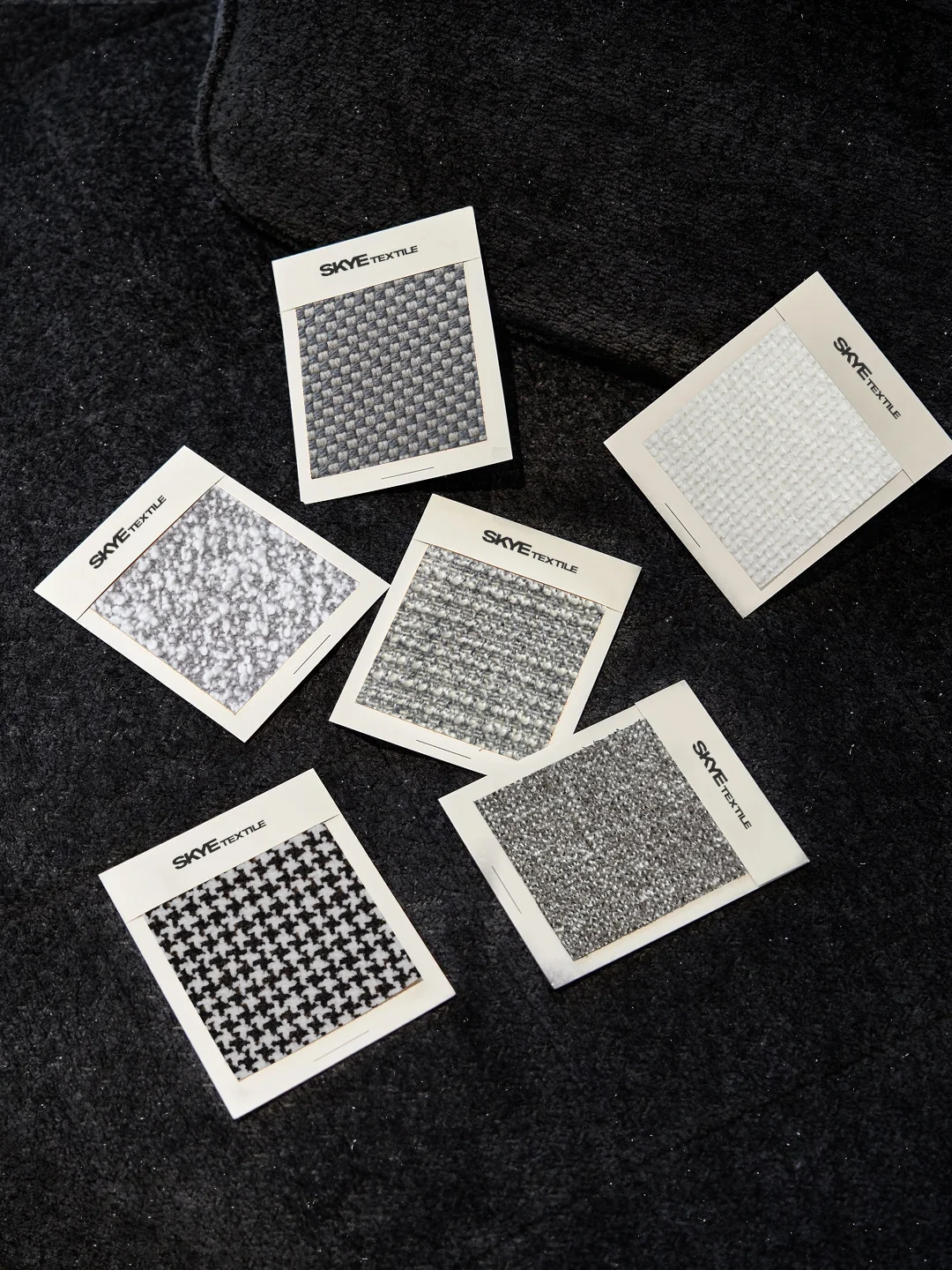
Texture, thickness, and color under the project’s lighting are easier to assess in person. Ask for a swatch large enough to show the full repeat on patterned fabric. Mark the face, direction, and location on the furniture.
Request a construction sample for seams or corners
A flat swatch can show the weave. A wrapped corner shows whether the stripe shifts or whether a seam becomes bulky where two fabrics meet. Ask for the intended substrate, curve, trim, and stitching. If seam placement needs approval, include an elevation that shows where the sample sits on the furniture.

Use a combination board for the decisions that depend on other finishes
Once there are two likely fabrics or woods, lay each combination out the way the materials will be seen. Put the wood in its installed orientation, then place it beside the flooring, upholstery, and relevant hardware. Add a label to each alternative so it can be identified after the arrangement changes.
A finish that works with the flooring on its own can read differently beside the rug or against a large upholstered piece. We can photograph the combinations under the same conditions to help narrow the field before shipping. For a final color decision, keep the most representative physical samples together so the studio can see them under the project’s light. If the same finish is being used on metal and wood, request separate samples and record the separate production codes for the two finishes approved as a pair.
Keep outliers in China for another round
If a warm, low-sheen finish comes back noticeably red or shiny, we’ll photograph the comparison and ask the maker to adjust it. Keep uncertain samples in review and get the evidence needed to make a decision.
Put a checkable packing list in the parcel
List the project item, maker, sample ID, intended use, and question for review. Give similar samples separate IDs even if their catalog names are the same. We’ll send a dispatch photo so you can check the pieces on arrival and keep approved and rejected samples apart.
Keep a physical reference for production and inspection
Record the approved sample ID and the parts it covers. Ask the factory to keep a matching physical reference. If there is only one, agree who holds it and how it will be available to the inspector.
Keep an approval record that survives the courier trip
Before sending the parcel, photograph the face and label of each sample and record the number of pieces sent. If a sample also needs to remain at the factory, ask for two references made to the same specification. When you approve one, reply with the sample ID, part, and any conditions, such as a seam detail still to follow.
If the sample is unique, record which person will keep it and when it must reach the inspector. Keep rejected samples identifiable while the next one is being made. For example, a darker color can serve as a rejected example alongside the clearly labeled current production reference. The updated sample list should show what was returned, what was approved, and what will travel to the next person, so a later repeat order can be matched to the same decision.
Plan the shipment around your client meeting
For a sideboard, we can film door and drawer clearance and send the wood finishes for comparison with the floor. For a sofa, we’ll send enough fabric to show the repeat and a seam sample if that detail matters. If you have one meeting next week, put the materials that need to be seen together in the same parcel and mark any still outstanding.