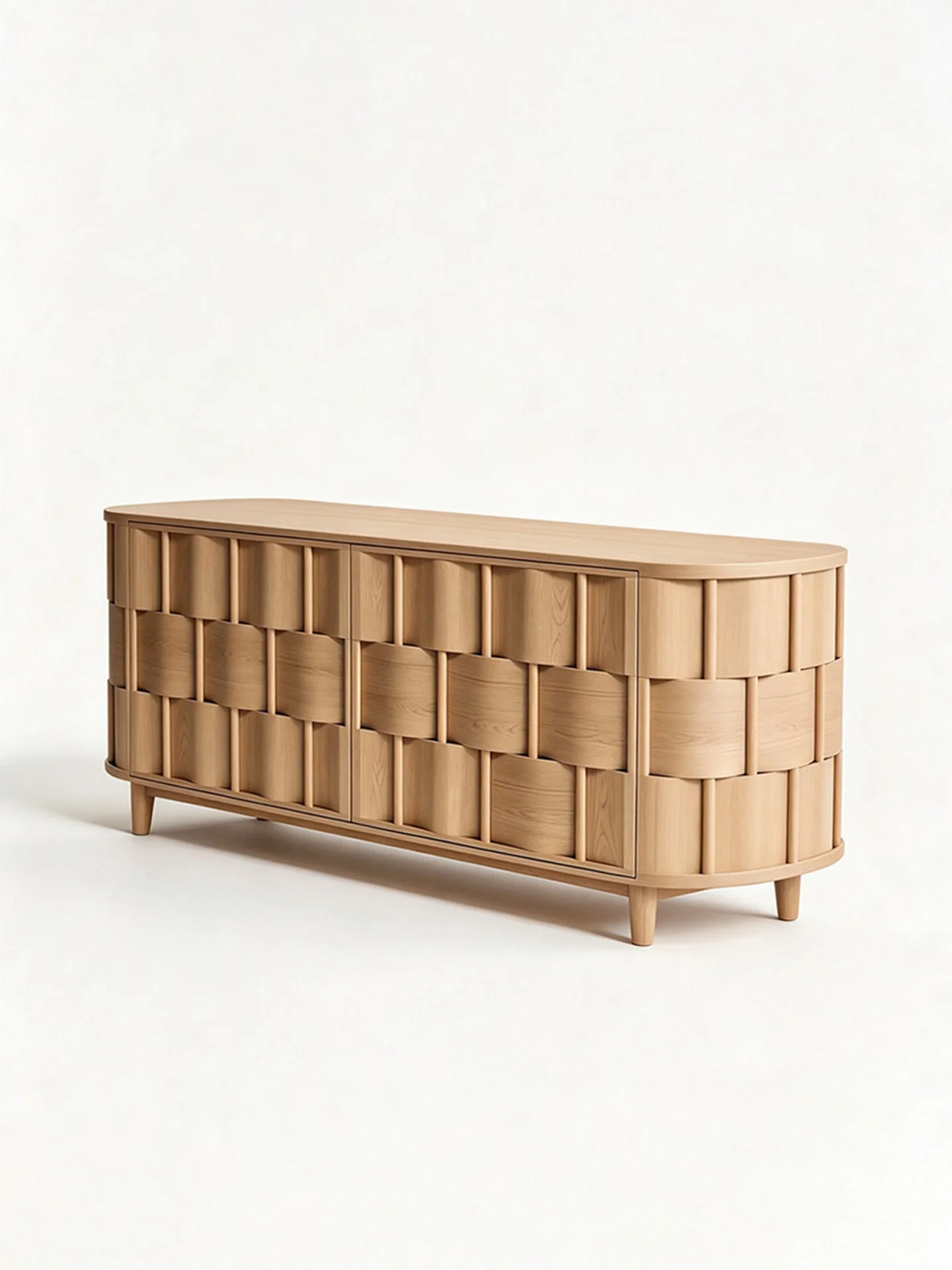
What to Send the Factory Once the Drawings and Samples Are Approved
The drawings and samples have been approved. The next thing a factory needs is a clear instruction for what to make and when it can start. At Arcaya, we give interior designers a release record that brings together the order, approved drawings and samples, and inspection and packing conditions. The factory confirms what it can execute item by item.

Start with a purchase order line
Record the item ID, quantity, supplier, quote revision, and delivery point. For custom pieces, detail any parts and fittings that need to arrive with them. Use the same ID for the drawings, samples, inspection, and packing list.
Attach the complete drawing set for fabrication
Match the drawing number, date, and revision to the approval. Identify the fabrication set clearly. If the last change came as an updated detail page, have the factory include it in the complete set and check that elevations, sections, details, and hardware references agree.

Put the instructions for each department in one release
Start with a cover sheet that identifies the item, order line, revision, and what the factory is authorized to do. Then attach the drawings, samples, and quantity list by reference. A cabinet might need the door elevation for appearance, the hardware schedule for machining, and the section for the installer. Ask the factory to check that these documents agree and send an acknowledgment against the issue date.
If a dimension changed in the last markup, confirm the clean set includes it and the hold on that item is closed. When one approved part is ready and another is not, label the authorized work by item and operation. For example, the factory may prepare the case but wait to drill doors until the pull is confirmed. The person receiving the release needs to know which files to pass to the workshop and what still depends on an approval.
List the approved finishes by part
Assign samples to door faces, exposed sides, edge banding, interiors, and upholstery. Put sample photos and IDs in the release record and agree who holds the originals. Have the factory confirm it can reproduce the specified finish on the actual substrate.

Reconcile the last changes with the quote
List changes in dimensions, handing, hardware, packaging, or finish details. Ask whether the revised quote includes them and how they affect timing. Put any price or schedule change back to the studio before release.
Count the fittings along with the furniture
State how many pulls, hinges, mounting parts, and spare fittings are included. Ask how components will be marked and packed. The receiving team should be able to match cartons to the item list and check what arrived.

Turn late changes into explicit instructions before fabrication
Suppose a pair of cabinets has a new handle and a changed site fitting. List each affected line, the part that changes, and any added cost or time. Ask whether the shop has already drilled holes, cut the filler, or ordered any old-version parts. If the client approves the handle but the site measurement is outstanding, record that as a partial approval and ask which operations can continue on the basis of the confirmed drawing.
Update the order and the final drawing references only after the remaining condition is resolved. Have the factory state whether the revised parts can still be ready for inspection on the original date. You can then compare the two schedules and decide what the shop should release. Attach its answer to the revision so a later installer or inspector can understand why these pieces may differ from the first version in the project folder.
State the conditions that start production
The order may need a deposit, material acceptance, site measurement, or a signed release. Give each condition an owner and due date. If revised pulls require different holes, ask which work can proceed independently and hold the affected operation until you’ve approved the hardware.
Agree the inspection and packing criteria
List the dimensions to measure, samples to compare, and movements to film. If a chair ships disassembled, agree when it can be inspected as a complete piece and how the parts will be labeled afterward. Note who will check a joint visible only after installation and what records are required.

Ask the factory to acknowledge each line in writing
Ask which drawing and samples it will use, how many pieces it will make, and which instructions need clarification. If one piece is left-handed and the other right-handed, have the acknowledgment list both. Bring any proposed substitution back to the designer.
Agree what follows the furniture from factory to site
Ask which pieces will be inspected assembled, what has to come apart to ship, and how the loose parts will be marked. If right- and left-hand cabinet parts are similar, have the factory give them different references and explain how the carton labels correspond to the drawings. For an assembled first check, request a record of the dimensions and opened positions the studio cares about. Give the receiving team a count and photos of each carton type and ask it to identify where the hardware and installation notes are packed.
Record which details are only visible once the item is in place and who checks them then. This brings the delivery and inspection work into the same release without making it difficult to see what the factory must do next. Ask for written confirmation of those arrangements before the production status is changed. Check that the packing list carries a revision too. If the factory changes the carton grouping after inspection, ask it to reissue the list and identify any carton photos or labels that need updating for the receiver.
Use the record to decide what can be released
For example, two CB-42 units use drawing D03 Rev C, door finish W07, and pull H02. The maker has confirmed build and count, but packing for the warehouse remains open. Once the packing is agreed, record the release date and expected inspection date. The earlier acknowledgment stays in the record as confirmation of technical scope.
Issue the formal release for the approved lines
We’ll return a record showing the released items, documents, factory contact, and date. If something changes later, update that record and the affected drawings so production, inspection, and site delivery stay aligned.