Will the Upholsterer Accept Your Fabric? What to Check Before You Order It
Interior designers often specify their own upholstery fabric, known as COM or customer’s own material. Once a factory says it can use the fabric, you still need to know how it will cut it, match the pattern, and calculate the quantity. Send Arcaya the furniture drawing, a physical swatch, and the number of pieces. We’ll check the details with the upholsterer before you commit to the fabric.

Send a fabric reference the factory can identify
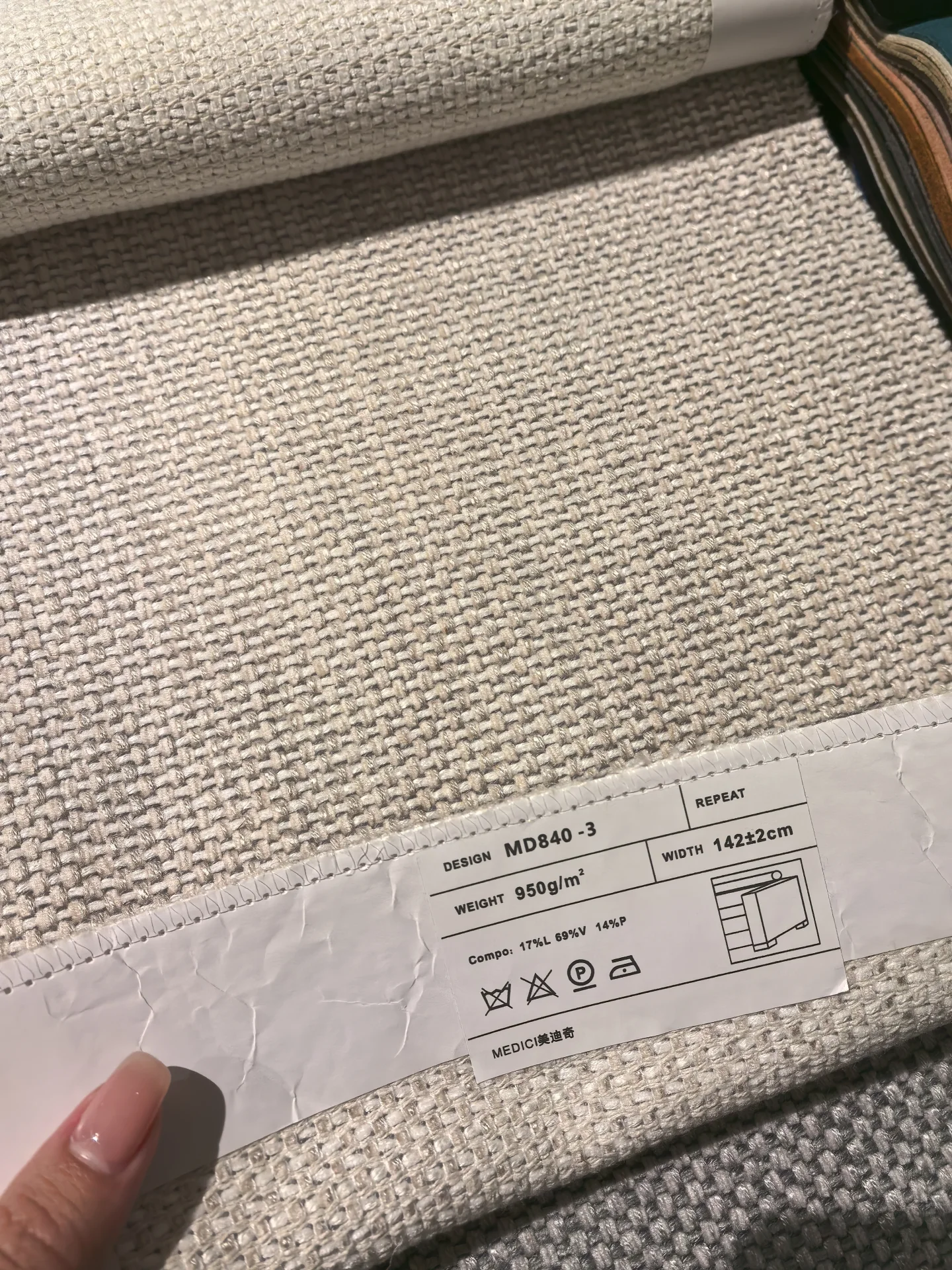
Include brand, collection, fabric and color codes, and supplier. Mark the face and direction on the swatch. For patterned fabric, show the whole repeat. Include any project-specific performance requirements for the factory to review against the material information.
Mark where each fabric goes
Label the seat, back, arms, sides, and rear on the drawing. Show which faces are prominent, where patterns should meet, and where you can accept a seam. If you have a contrast fabric, assign it to specific areas.
Confirm the usable width
Ask the fabric supplier for the width and selvage details, then have the factory confirm what it can actually cut. For wide backs or seats, ask the upholsterer to place the pieces on a cutting layout. That shows which can fit alongside one another and where you need a new length or seam. An armchair can consume a different amount from its armless counterpart.
Ask for a cutting plan before placing the fabric order
Have the upholsterer show which pieces are cut on the same length of fabric and where it has to start a new repeat. Identify backs, seats, fronts, and the returns of the arms separately. If the pattern needs to line up across two pieces, ask it to mark the first full repeat and which part it starts from.
If one large cushion is too wide for the usable fabric, ask whether a different orientation works and what that does to any directional pattern or pile. Have the studio approve the seam and visual effect before the quantity is finalized. A plain fabric may allow a simpler plan, but the actual upholsterer should confirm that for the intended build. Save the cutting plan with the fabric order so a quantity change or later repair can be reviewed against the same assumptions.
Draw the pattern and seam positions
Mark the stripe direction and motif center on the elevation or plan. If two chairs need the same broad stripe centered on each back, say so. Show where a seam can land, such as the inside of an arm. If the seat cushion can be flipped, ask how the pattern reads on both faces.

Calculate from the approved layout
Get the total quantity in the supplier’s selling units, using the actual pattern repeat, usable width, modules, and count. Separate the amount used in production from the trial, pattern matching, and repair allowance. Authorize the layout before ordering the fabric.
Ask for a trial on a difficult corner
A thick fabric or one with a pile direction can behave differently over a tight curve. Ask for a sample at the actual radius, with photos from the front, side, and rear. Identify whether any puckering appears in a visible area. Review the proposed change if the factory needs another seam, trim, or backing.

Make the trial answer a specific upholstery question
Choose the part where the material is most likely to change the appearance, such as a tight arm curve, a piping detail, or the inside corner where two fabrics meet. Ask for the intended foam or base, seam width, and trim so the trial reflects the part the factory will make. Have it show a front view and one from the client’s normal angle, then point out where the fabric wrinkles or changes direction.
If the maker recommends a different seam or backing, ask how it would affect the visible face and any planned removal of covers. Record whether the studio approves only this detail or the entire use of the fabric. Check the sample consumption against the quantity on the order. A useful trial settles a particular question before the factory cuts the rest of the fabric.
Put fabric receipt and inspection in the schedule
Label the shipment with the order and fabric IDs. Have the factory check the number of rolls, length, lot, and visible defects before confirming it can start. If the rolls are short or damaged, decide whether to replenish them or change the layout.
Agree what happens if you run short
Ask whether the supplier can hold enough of the same dye lot and for how long. Record who checks the length and lot, who orders more if needed, and who keeps the offcuts. If replacement fabric comes from another lot, compare samples before approving it for use on adjacent parts.
Work through a striped chair before buying the fabric
For LC-36, the stripe should run vertically on the back and be centered on the seat. Ask for the usable width and two layouts. If the lower-quantity layout puts a seam down the middle of the seat, ask for an elevation before choosing it. Approve the side seam if it works, then order against the confirmed quantity and dye lot.
Agree how fabric orders, shortages, and offcuts will be recorded
Before purchase, list who orders and receives the fabric, which quantity is for production, and which allowance is for trials or repair. Ask the mill or supplier what it can reserve from the same lot and when the reservation expires. When the shipment arrives, have the factory check roll labels, usable length, and visible damage, and photograph anything that affects a planned cut.
A second roll can have a different lot label even if the design name is the same. If a replacement is needed, compare it beside the original and establish which pieces can still be made together. Tell the factory whether to send spare material with the furniture, leave it for later repairs, or return it to the studio. This gives the team a way to act on a shortage without losing track of the approved layout or changing the visible pattern.
Carry the approval into the order and inspection
Record the fabric code, use by part, cutting layout, stripe direction, and trial sample on the order. If material acceptance starts the schedule, state it. Inspect the finished piece against the same pattern and seam references.