How to Make Sure Approved Fabrics and Finishes Go on the Right Furniture
You put the fabrics and wood samples together, the client approves them, and the work splits between two factories. As an interior designer, you now need each maker to know which sample applies to which surface. At Arcaya, we link the physical reference, project item, part, and drawing revision so the approval carries through to production.
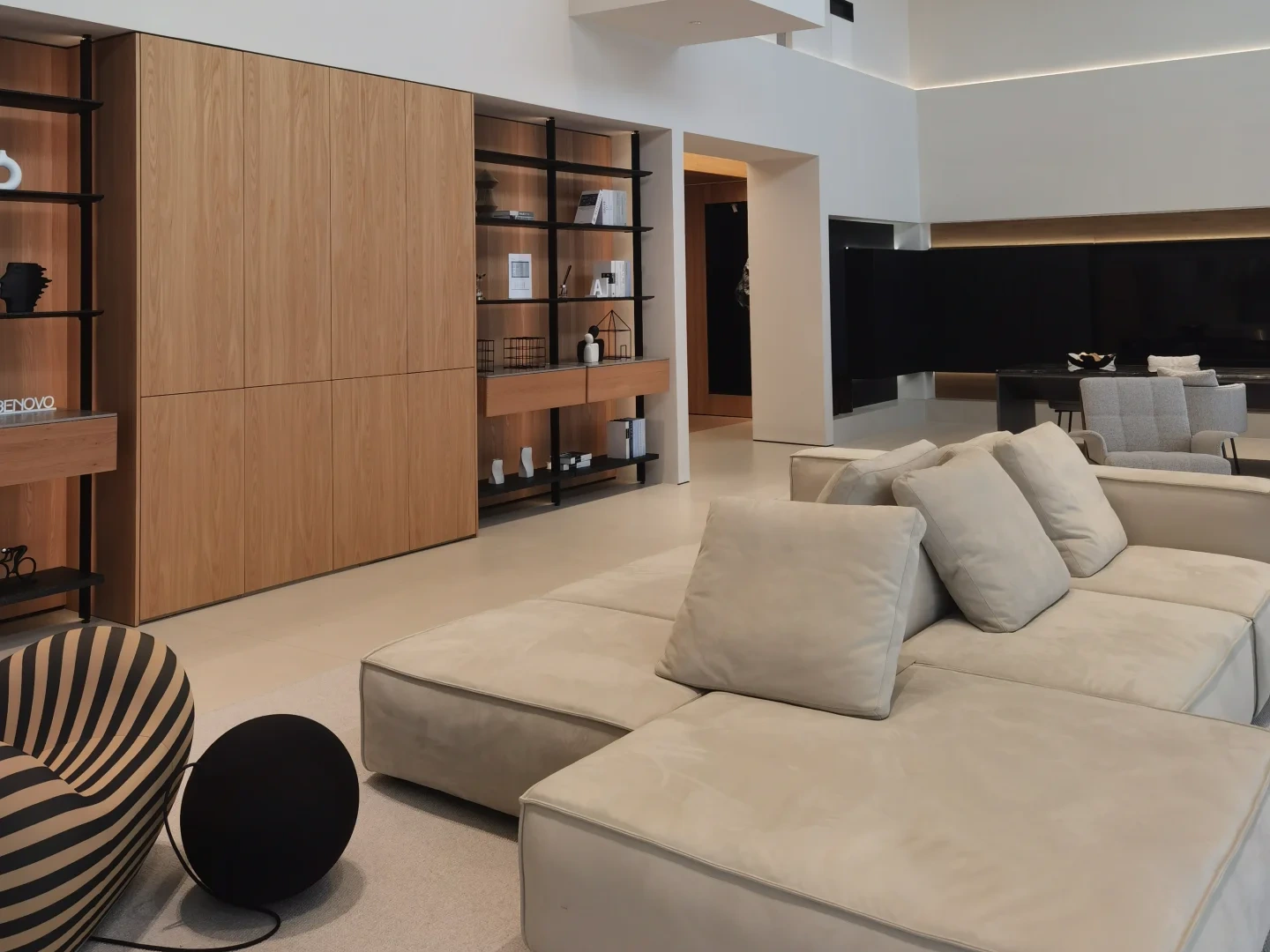
Keep the same item ID from selection through inspection
Use it in the specification, quote, purchase order, factory drawings, and inspection. If the finish or supplier changes, the identifier still points to the same item. Name each part separately where the finish differs.
Label each physical sample
Record the studio ID, supplier reference, date, material, and finish on the back. If the supplier uses separate color and texture codes, keep both. Photograph the face and label. Give a new sample a new ID even when the sales name is unchanged.
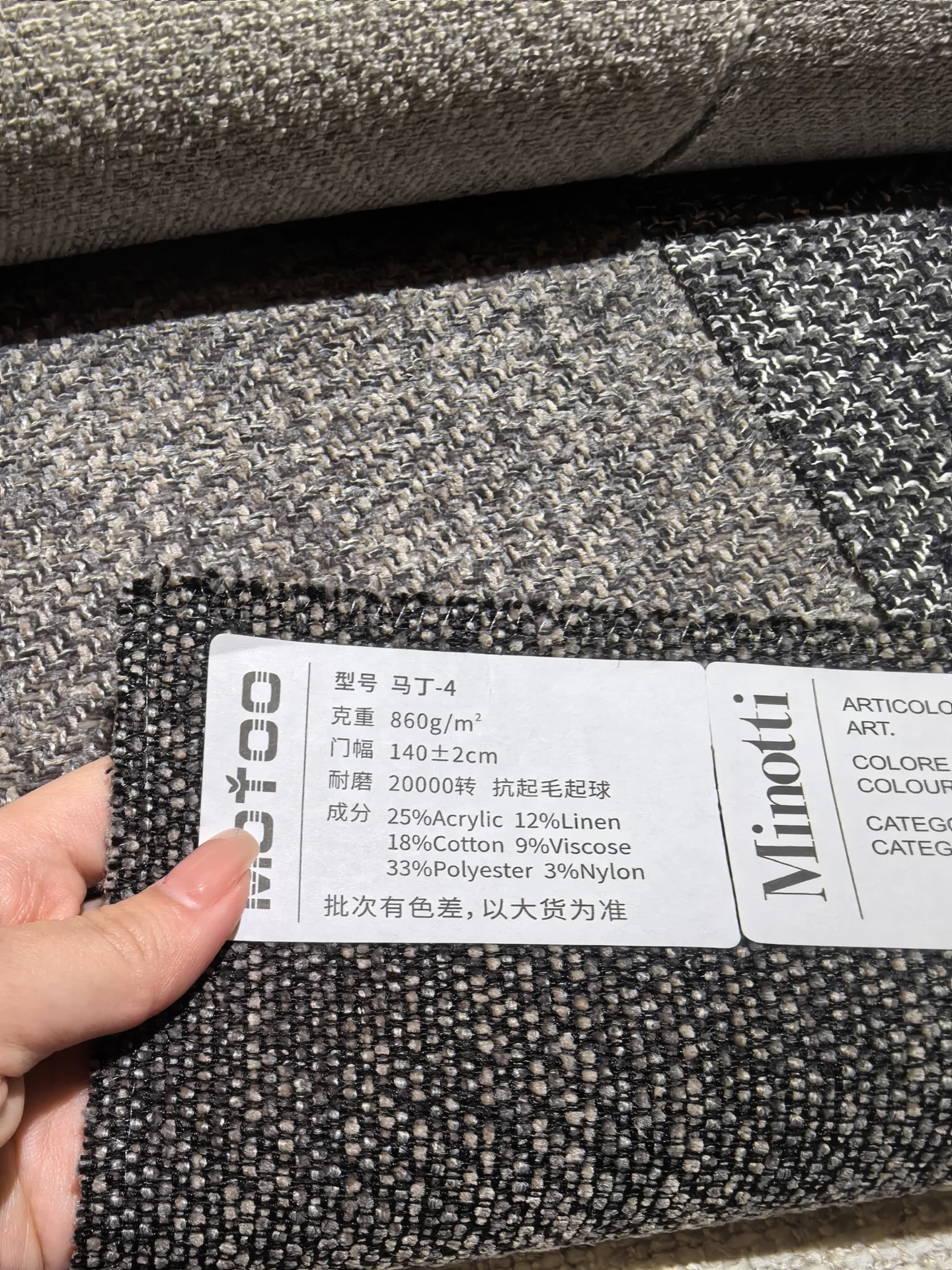
Assign the samples on a drawing
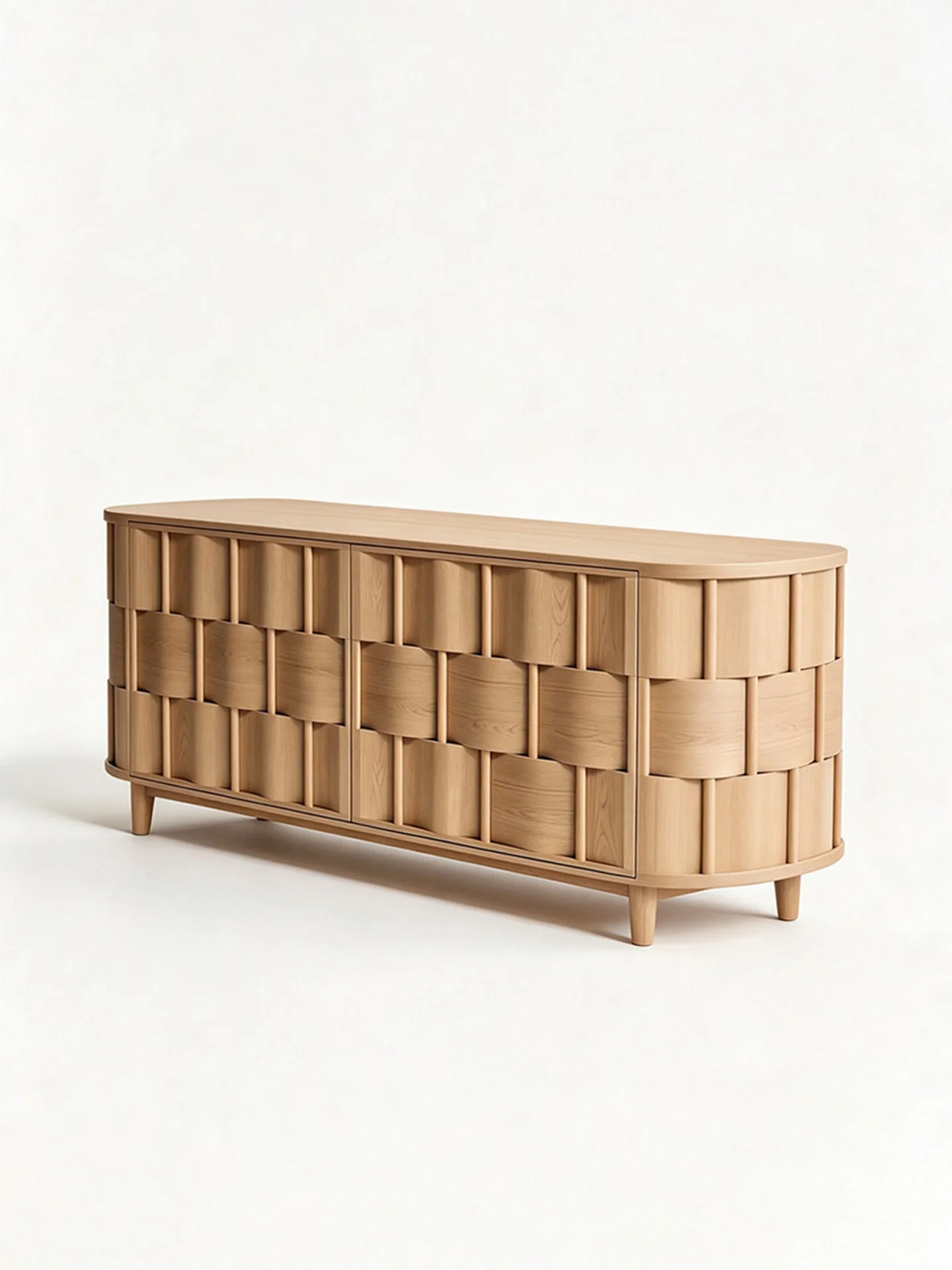
Mark cabinet fronts, exposed ends, tops, interiors, and edge treatments. On a sofa, specify seats, back cushions, arms, outside faces, and feet. If two parts use different substrates but should look alike, give each its own line and ask to see both samples together.
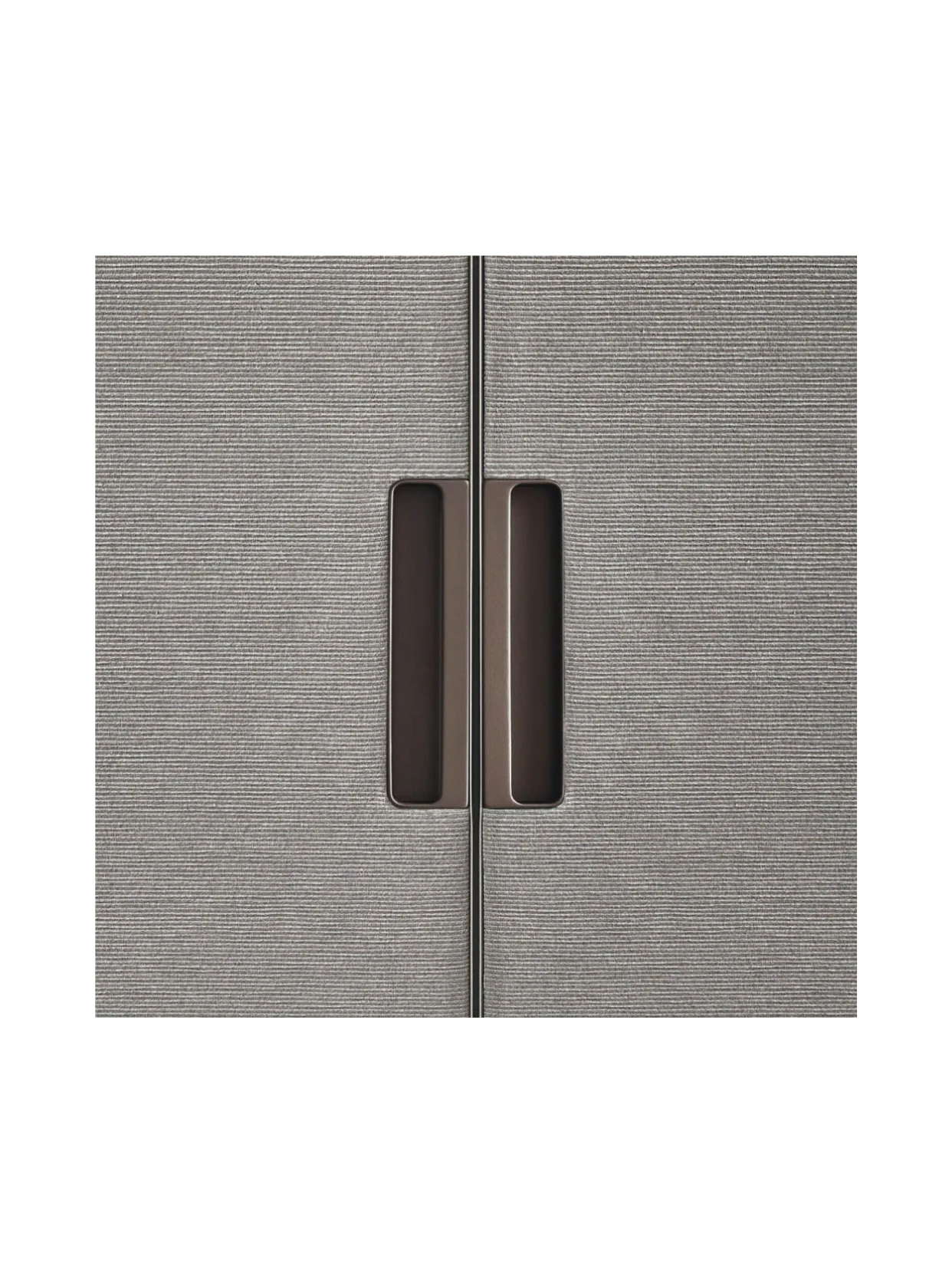
Use a sample label that makes sense away from the studio
Give each physical sample a studio reference, maker reference, item or room, and date. If one code identifies the pattern and another identifies the coating or surface texture, record both. Photograph the face and back in the same set. Ask the supplier which parts its sample represents and whether the substrate will carry through to production.
This is especially helpful when a cabinet and a table are made by different shops and both samples have a similar sales name. A sample for the tabletop may be approved next to the floor, while the neighboring cabinet needs a different finish to achieve the intended relationship. Keep that comparison in the sample log and carry the actual two codes to the drawings. If another version turns up later, the team can tell which reference changed and which part still uses the original. The names alone are only useful for finding the samples.
State what the client approved
The client may approve a wood tone while grain selection and edge treatment are still open. Record the scope on the item and ask the maker for the remaining samples. Before a finish can be carried to another part, check whether the approval covers that surface.
Check that the sample uses the production substrate
Ask what the maker will use for the actual parts. If a door is veneered and the end panel has a different substrate, request both finishes. View them in the same orientation and light before approving a match.

Confirm each factory’s reference independently
One factory may call its frame finish W03. Another may use W12 for cabinet doors in the same color family. Both makers should confirm their own sample code and process, and you can judge the pair side by side.
Draw finish boundaries where one material meets another
For a cabinet, show the exposed side, front, edge, and interior as separate surfaces. For upholstered furniture, mark the top of the seat, sides, arms, and rear, and show where the approved fabric stops. If the rear is visible from the hallway, treat it as part of the room’s palette. Ask for an angle that shows it alongside the arm or wood frame.
Where the same color has to be reproduced on two materials, use samples for both and compare how they meet. Have each maker confirm the exact reference and production method for its own part. If using one finish on the cabinet face and a different one for an edge is acceptable, show where the difference will be seen before the client approves. The factory can use the specified boundary to check the extent of each finish during production.
Update drawings, the purchase order, and the sample log together
A fabric change can leave an old code on an elevation. Update the applicable part in the drawing, confirm the supplier’s code on the order, and date the replacement in the sample log. If only the chair back changes, keep the approved seat fabric in the part schedule and have the factory confirm both.
Give the inspector a reference that identifies the part
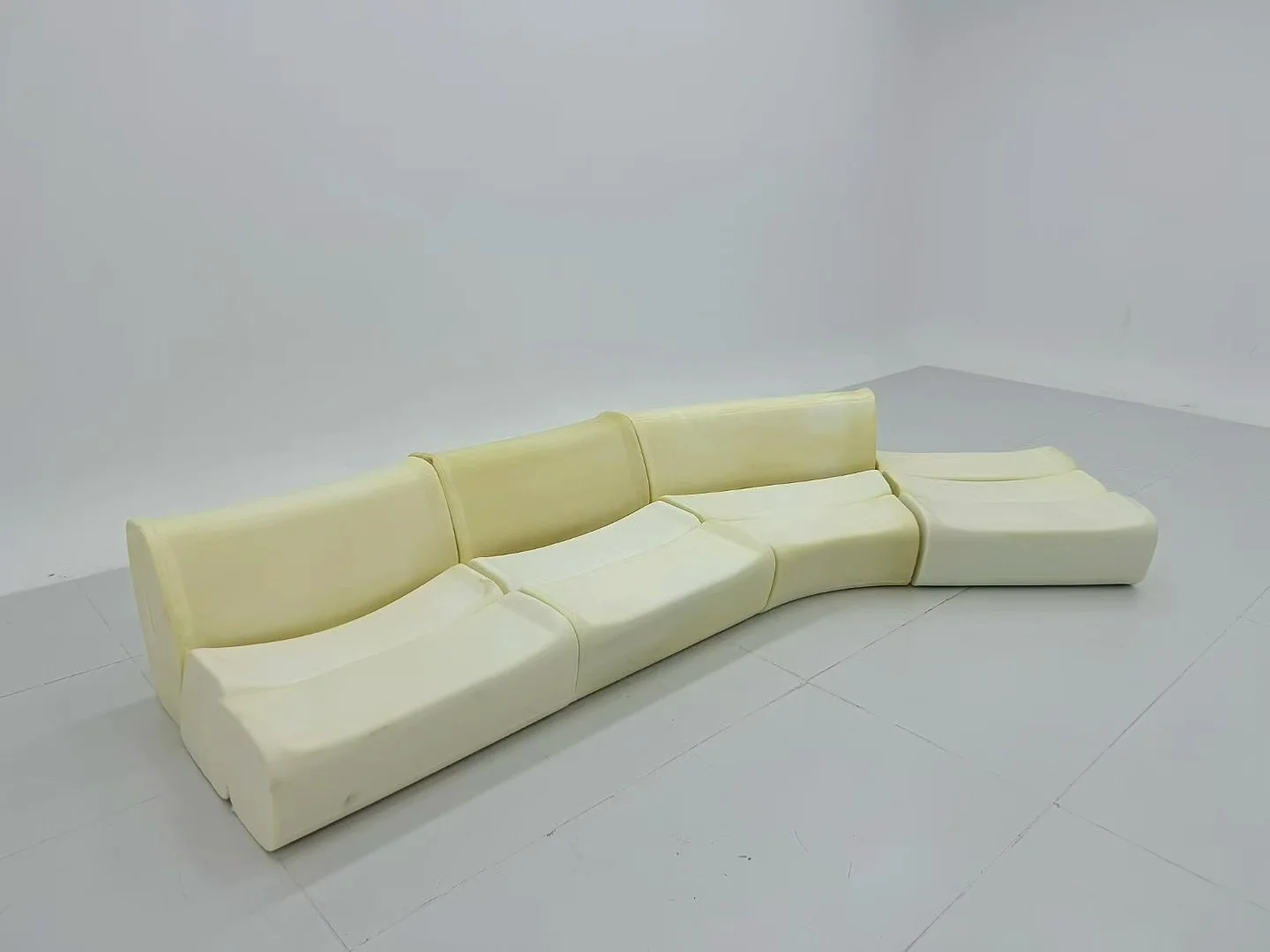
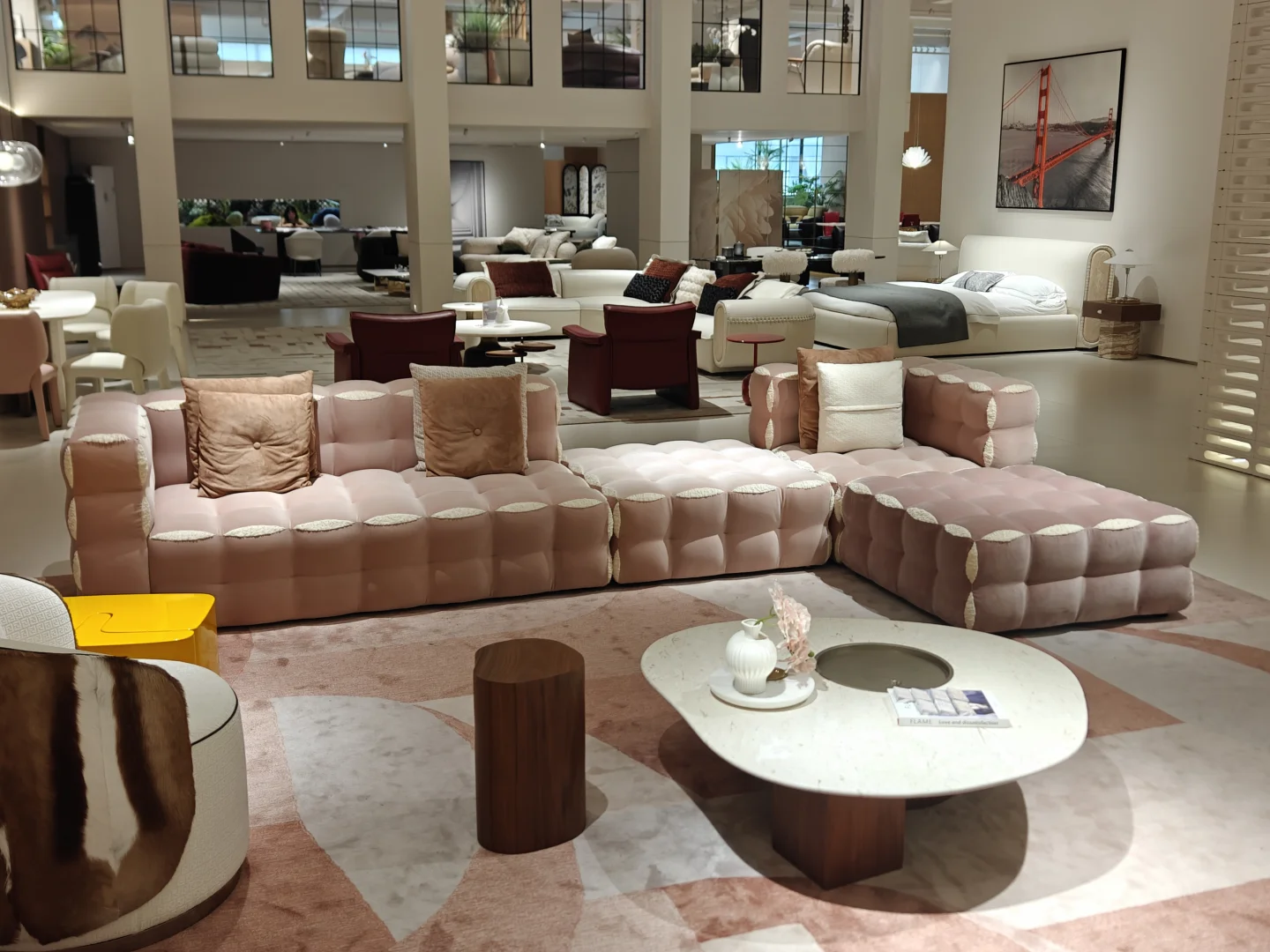
On a sofa, show the item ID and module, label, approved swatch, and actual cushion in the same set of photos. On a cabinet, check the doors and ends against the marked elevation. If the code matches but the finish looks different, identify the affected parts and return the evidence for a decision.
Follow the finishes for two items
LC-41 uses Factory A’s W03 frame and fabric F02. CB-41 uses Factory B’s W12 for the doors and exposed end panels. Each maker acknowledges its own references. If the cabinet end uses another substrate, sample it and check the finished corner where the two faces meet.

Use the part drawing to anchor the inspection photos
Ask the inspector to start with a photograph of the item and label, then take a comparison of the sample and finished part from the angle shown on the drawing. For a modular sofa, identify which cushions and outer faces go with each module. For a cabinet, show a door next to the exposed end if they need to work as a pair. Record when an order switches to a new sample or fabric lot.
If labels match but the parts look different, have the factory check whether a substrate, batch, or finish was changed. Then show the studio what was found and which items are affected before deciding whether to accept, correct, or make another sample. Keep those photos linked to the finish schedule. A later repeat order can use the approval and finished-part record together, which is more useful than a note saying the client chose warm wood.
Put a revised finish into effect by item and batch
When you approve a revised W12, we’ll update the affected order lines, drawing, and inspection notes. We’ll ask the factory which units and production batch will use the update and confirm that any older samples are marked as superseded.