How to Order Two More Dining Chairs That Work With the Original Set
Your client asks for two more chairs for the same table. As the interior designer, you’ll want the new pair to work with the chairs already in the room. The original model number is a good start, but the factory may have changed the frame or run out of the original fabric lot. Send Arcaya the original order and photos of the chairs in the room. We’ll check what the maker can reproduce and help you compare the old and new finishes.

Find the order and the original approval
Send the maker, model, order date, quote, fabric code, wood sample, and arrival photos. Photograph any label under the seat. If you have only an older catalog image, we’ll verify the current model and identify what needs measuring or sampling in person.
Ask whether the same version is still made
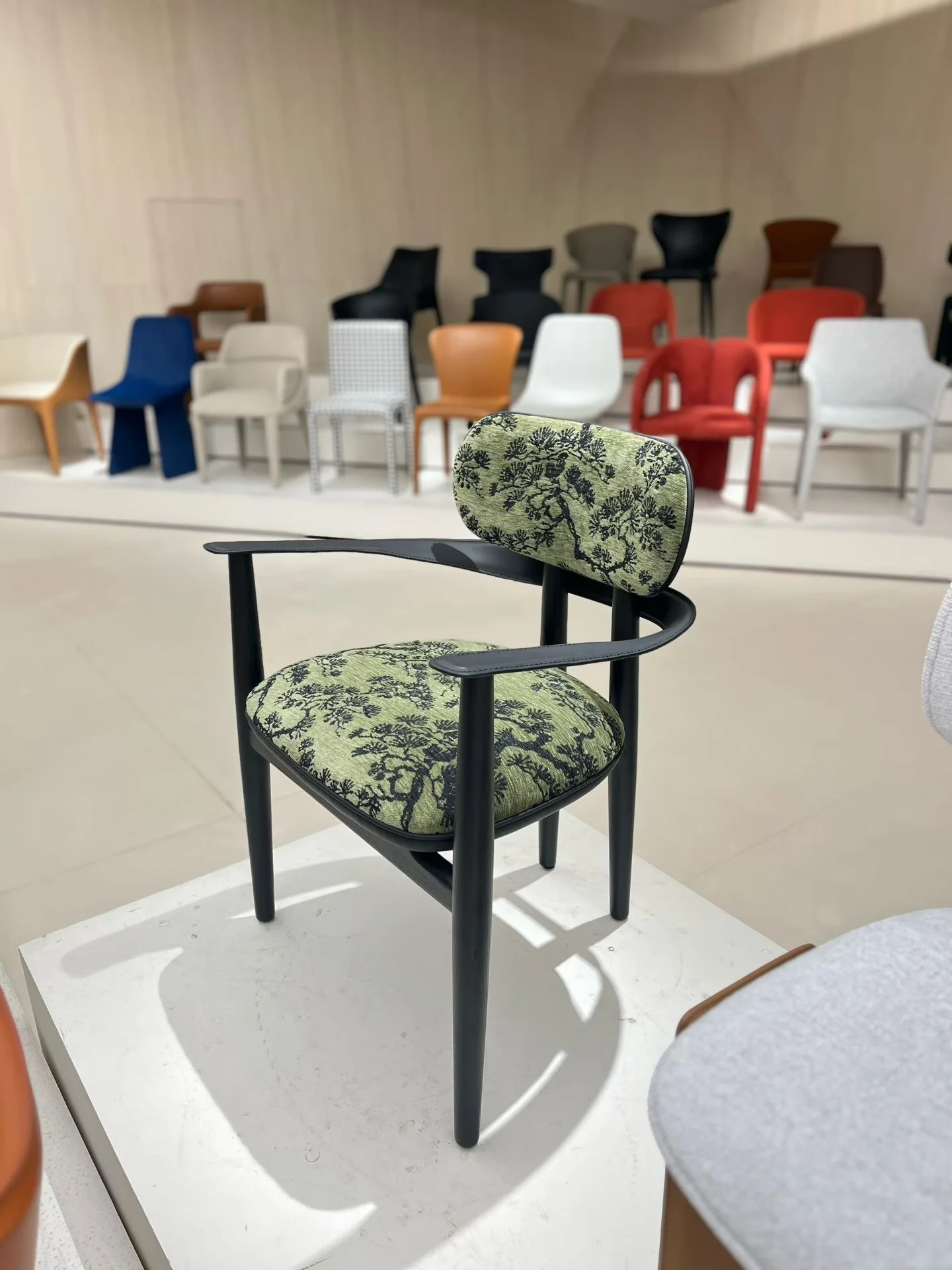
Check whether the frame, base, upholstery, and seat height carry across. Ask for a written answer and photos from matching angles. A small change in height or silhouette can be easier to spot when the chairs share a table.
Check the original dye lot
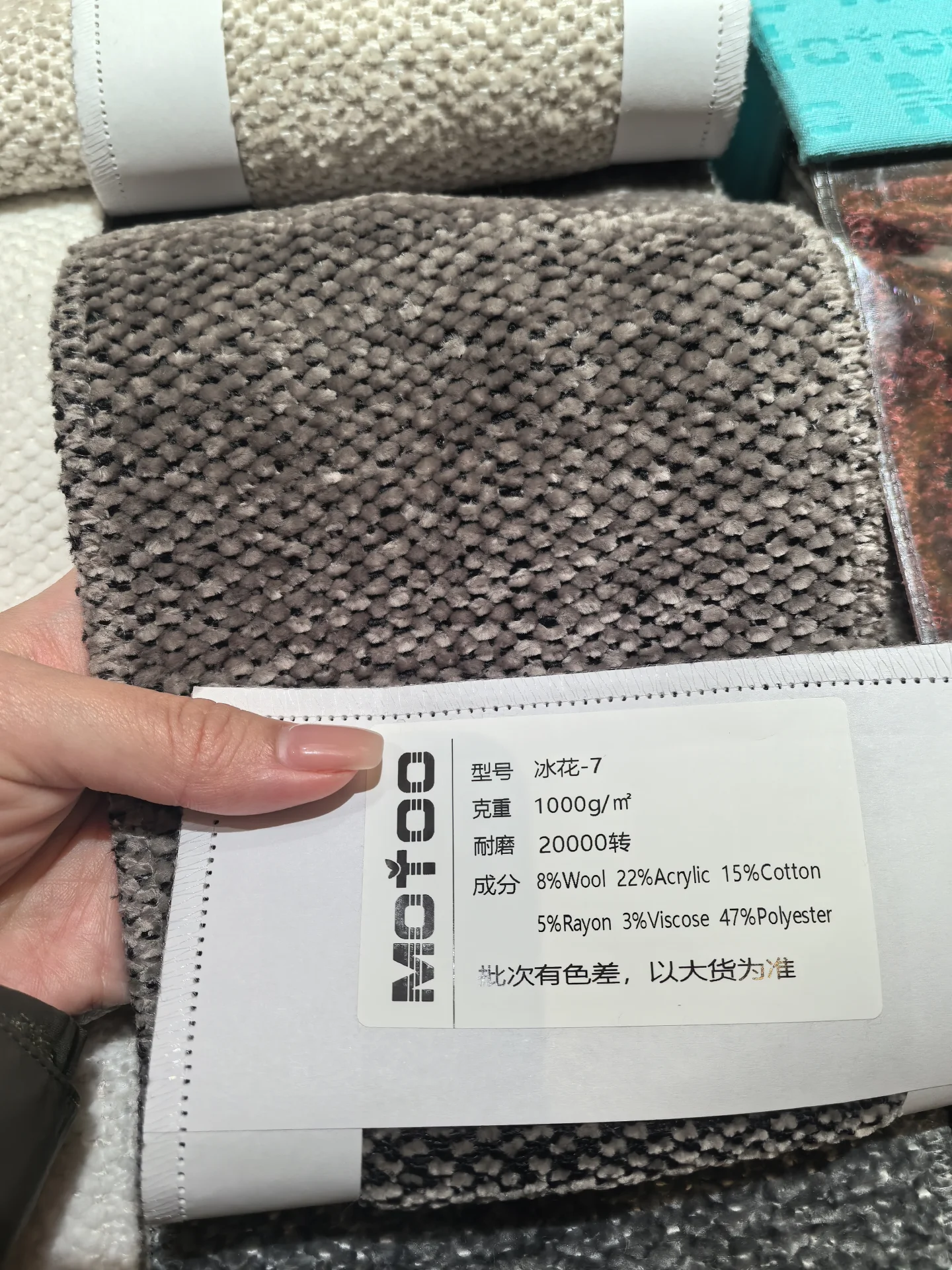
Ask whether enough of the original lot remains for two chairs and whether it can be held until approval. If only the same fabric code is available, request a swatch from the new lot. Compare color, weave, and feel with the original before deciding.
Ask the maker to compare the old order with the current specification
Send the item label, order date, and photos of the old chair from the front, side, and beneath the seat. Ask the maker which dimensions, finishes, and details carry through to the current model. Have it include the seat height, width at the arms or feet, and one image of the current construction from the same side.
If the only match is a sales name, keep asking for a reference that connects the old label with a current drawing or physical chair. A minor update can move the front legs or raise a cushion enough to change the way the chair works at the table. We’ll record what is confirmed and which dimensions or visual areas need a trial. That makes it easier to decide whether a repeat order is reasonable, even when the original maker can no longer offer exactly the same build.
Reproduce the wood finish on the right material
Give the factory the approved sample, species, coating, and part. If the old chairs have been in a sunny spot, decide whether to match the original sample or the chairs as they look today. Compare both under the room’s lighting. For a close match, you can approve a first chair before asking the factory to finish the second to the same reference.
Check minimums and charges for a two-chair order
Confirm that the maker will take the order and ask about minimum fabric purchases, resampling, and separate delivery. Once you have the actual price, you can decide whether matching the earlier specification is worth the cost.
Compare old and new in their planned positions
If the chairs will sit between the original ones, check the samples side by side in the room. A slight contrast may be easier to use at both ends of the table. Let the seating layout guide where you compare the finishes and whether the difference works.

Compare a new swatch to the chairs you actually use
The original finish sample may have been stored in a drawer, while the chairs have seen years of light and use. Compare the old approval and a new swatch with the installed furniture and decide which is the better reference. For upholstery, use a matching orientation and check any texture or pattern in the position it will have on the chair.
Show the comparison close up and again from the main approach to the dining area. If the difference is difficult to judge, ask for an assembled reference or one new chair before committing to the pair. Get the supplier to state whether it can hold enough material from the same lot for the second. That gives the client a chance to approve a close match, or deliberately choose another fabric for the two chairs at the ends.
Confirm the delivery plan for the additional chairs
Get inspection and collection dates, packaging, and whether both will be ready together. If they might join a larger shipment, ask for the warehouse cutoff and whether waiting will delay the main order. Compare that with having the pair arrive separately.
Give the client a choice if an exact match is unavailable
You can wait for restock if the original lot can still be sourced, approve a close new batch, or use a deliberate contrast at the ends. We’ll show the likely effect from the room’s main approach and list samples, cost, and delivery date. Check that any different chair actually fits the table.
Work through a new lot of the original fabric
Say F12 is still made, but the old dye lot is gone. The factory sends the new lot and a wood sample using the original coating. If it reads differently beside the existing chairs, try a pair at the ends. If the new chairs have to mix into the row, ask for a closer lot or an assembled comparison. Record the combination the client approves.
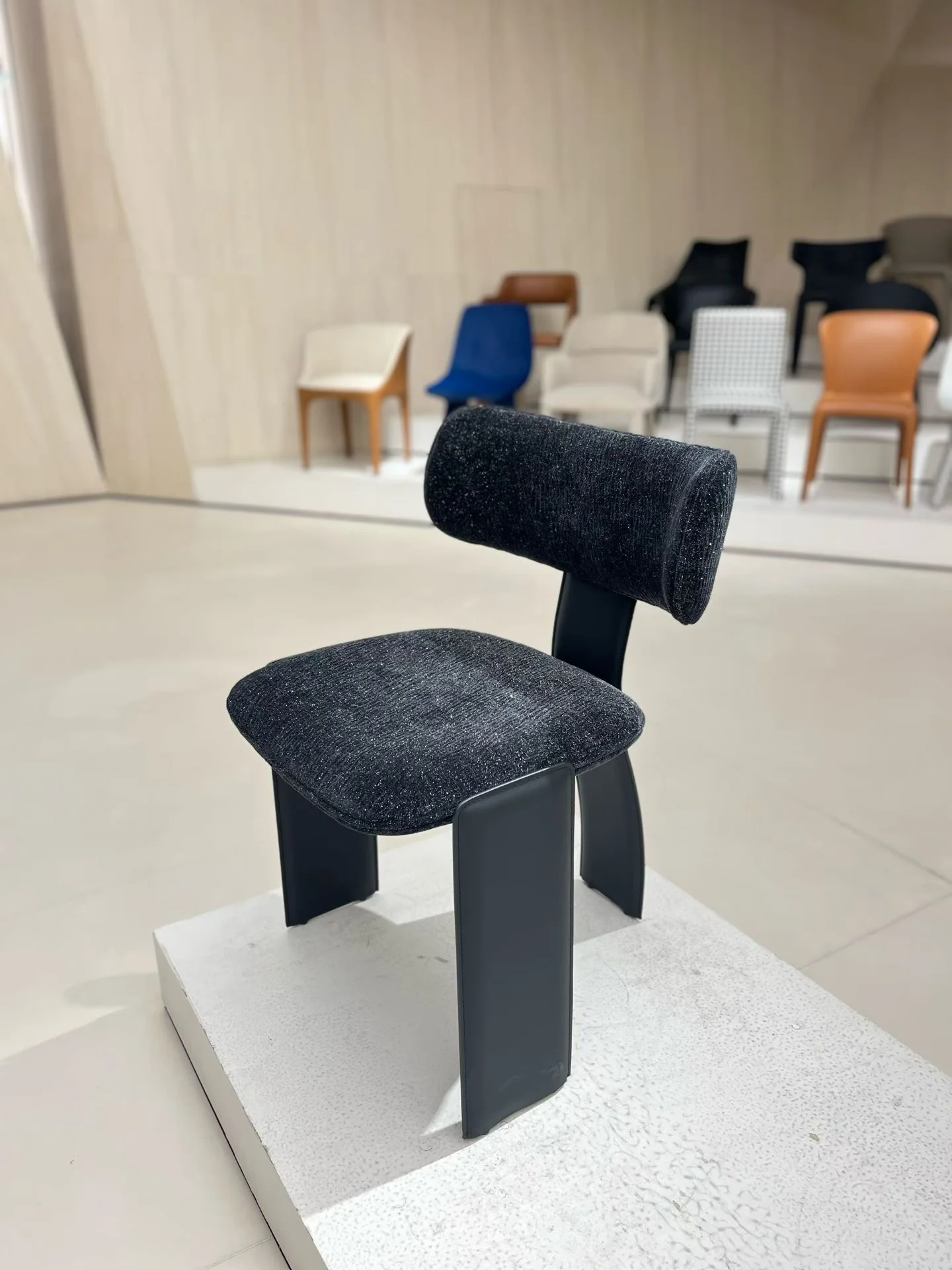
Write down which seating arrangement the client approves
Show the additional chairs in the positions where they’re most likely to be used. Compare a close match mixed into the original row, a symmetrical pair at the ends, and an intentional contrast where appropriate. Check the actual dimensions at the end of the table, since a different shape may need another clearance check.
If the client prefers the end seats in another finish, record the decision and the orderable finish as a new approved line. Include the original chair’s reference and the new lot or wood sample, and note what was accepted about the comparison. Ask the maker whether the new pair can be inspected together and what delivery dates apply. If another chair is needed later, the team can retrieve the exact combination and see how it was approved.
Tie the order to the samples you actually approved
Specify two chairs, the fabric lot, wood sample, and intended position. At inspection, compare the pair against the approved references and each other. Verify any dimensions that affect how they work with the table and existing seats.