How to Source the Remaining Furniture in a Partially Furnished Room
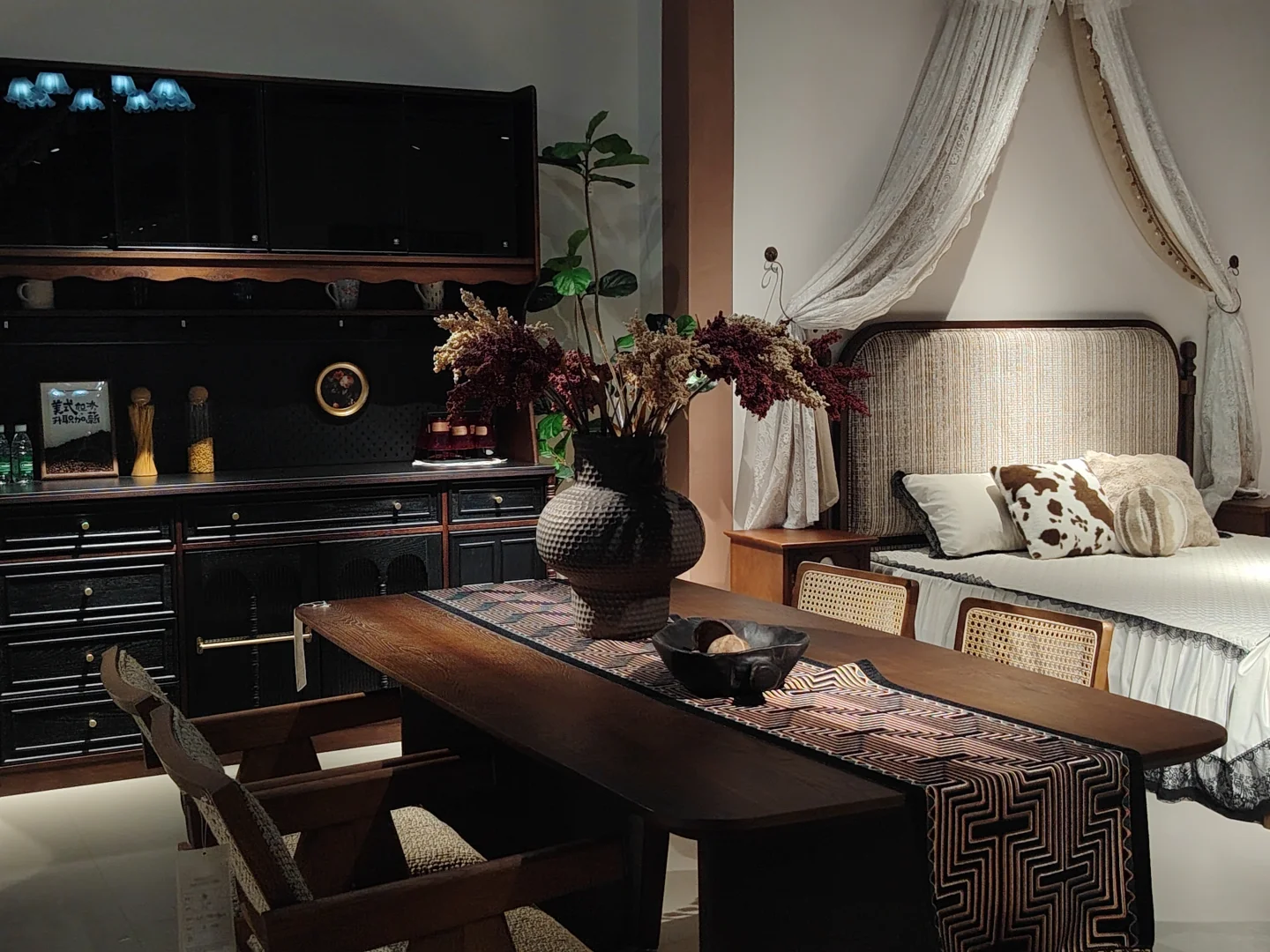
The client has approved the sofa and dining table. Now your studio needs chairs that work with the table base and a coffee table that fits the room. Send us the dimensions and approved finishes for the pieces you’re keeping so we can check new options against your scheme.
Mark What’s Ordered, Approved, and Still Open
Use one FF&E schedule to mark what’s ordered, what’s approved and what still needs sourcing. Send the latest plan and note any site dimensions that haven’t been confirmed.
Send the Specs for the Pieces You’re Keeping
Send model numbers, photos, dimensioned drawings, and finish codes. For the sofa, show the exact sectional layout. For the dining table, include the clear height under the apron and the location of the legs or pedestal.
Decide Where to Match and Where to Contrast
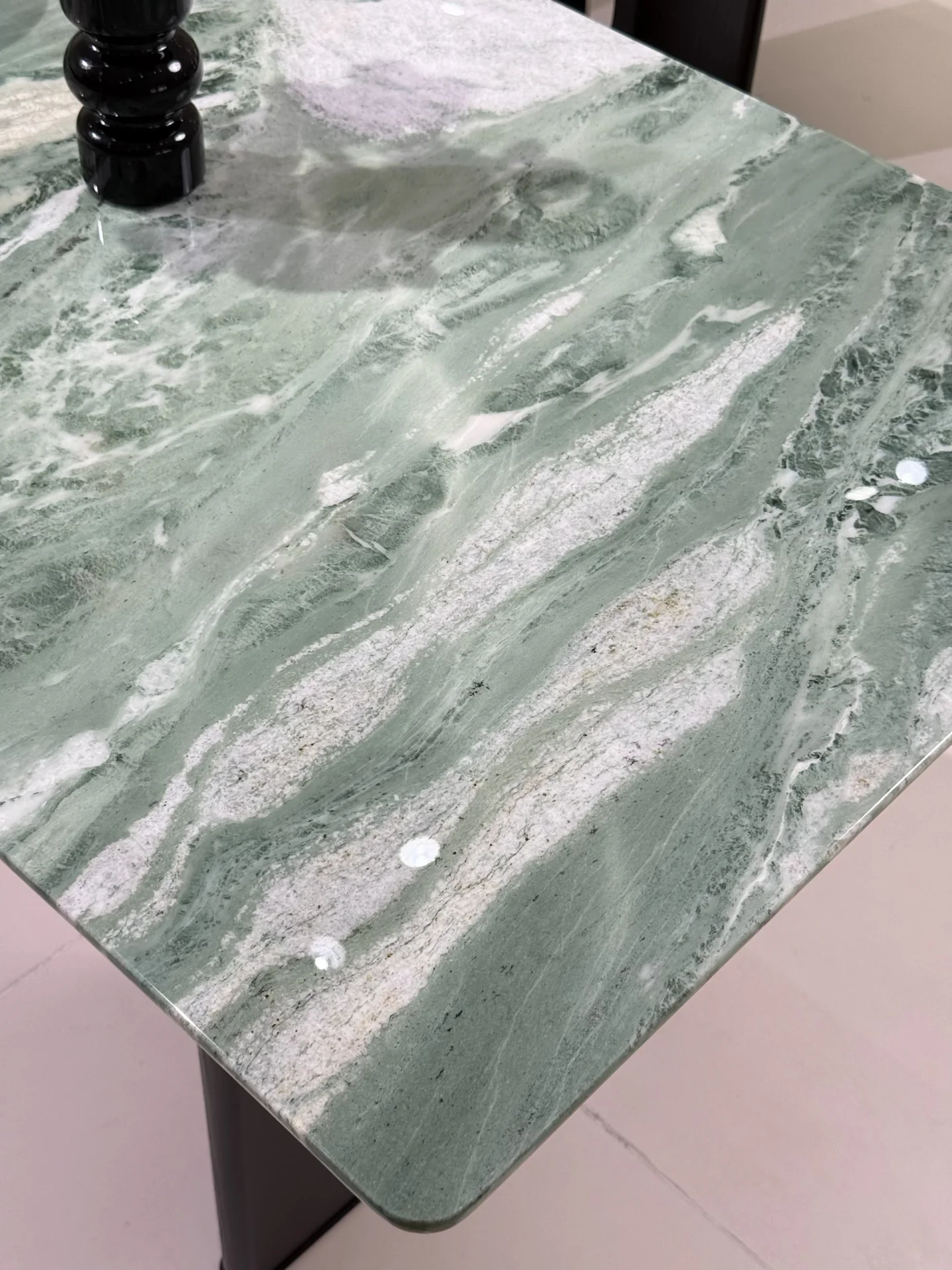
You might match the chairs to the wood tone of the table legs and bring in stone for the coffee table. Mark those decisions on the board so we can request samples for the right surfaces.
Check How the New and Existing Pieces Fit Together
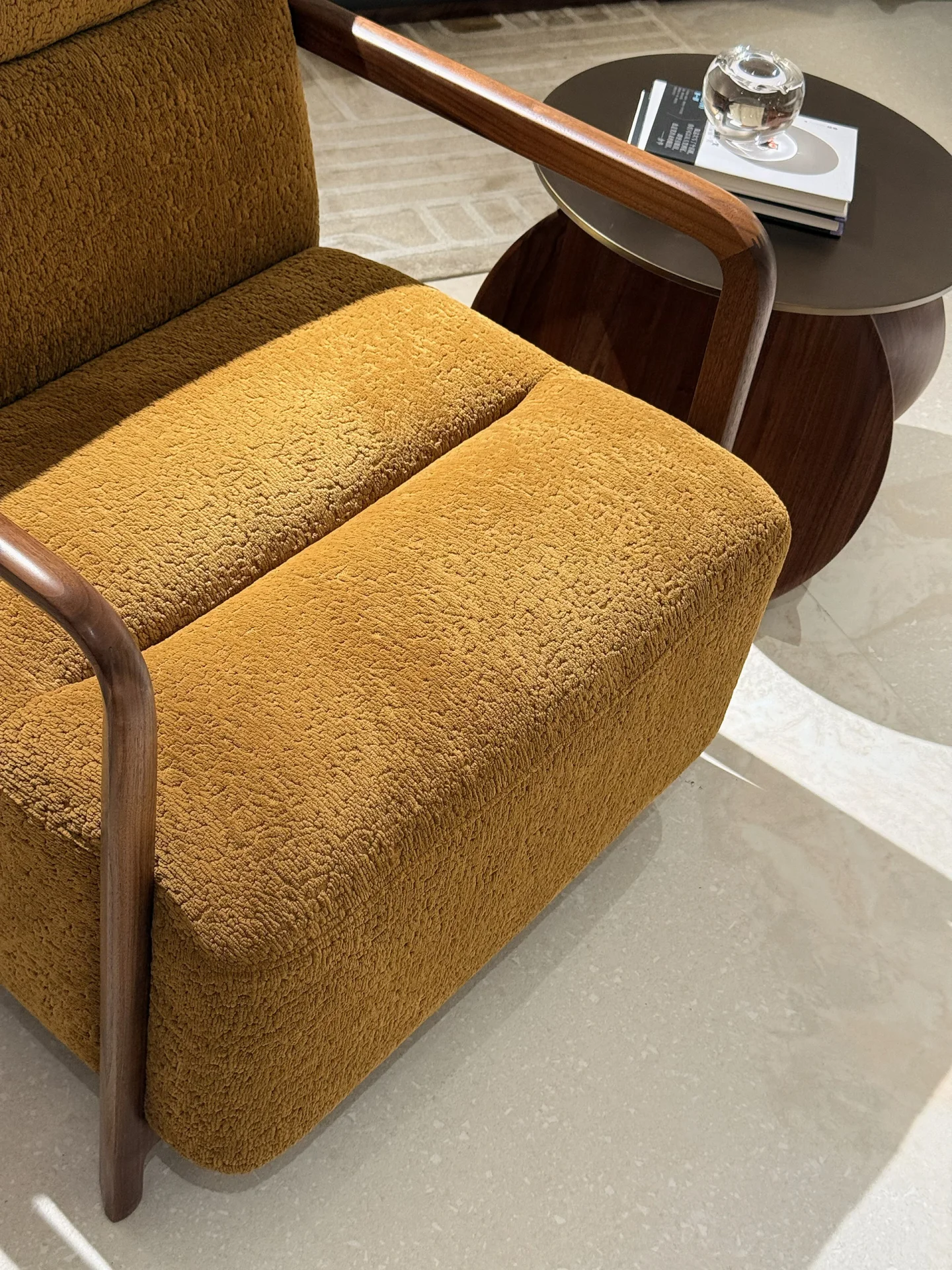
Compare the highest point of the chair arm with the lowest point under the table apron, and check the space between the legs. One buyer replaced a dining set after discovering the chairs stuck out into the walkway. If the fit looks tight on paper, ask the supplier to test it.
Compare New Finishes with the Approved Samples
We’ll use close-up photos to narrow the options by tone, grain, and sheen. Compare the physical samples with the approved finish under the room’s lighting. One homeowner took an existing cabinet-door sample to the showroom to compare wood tones side by side.
Confirm the Version You Can Actually Buy
We’ll check which model and finish appear in the supplier’s photos. If the available chair has a different arm, we’ll request new photos and verify the clearance under your table.
Drop the New Pieces into the Floor Plan
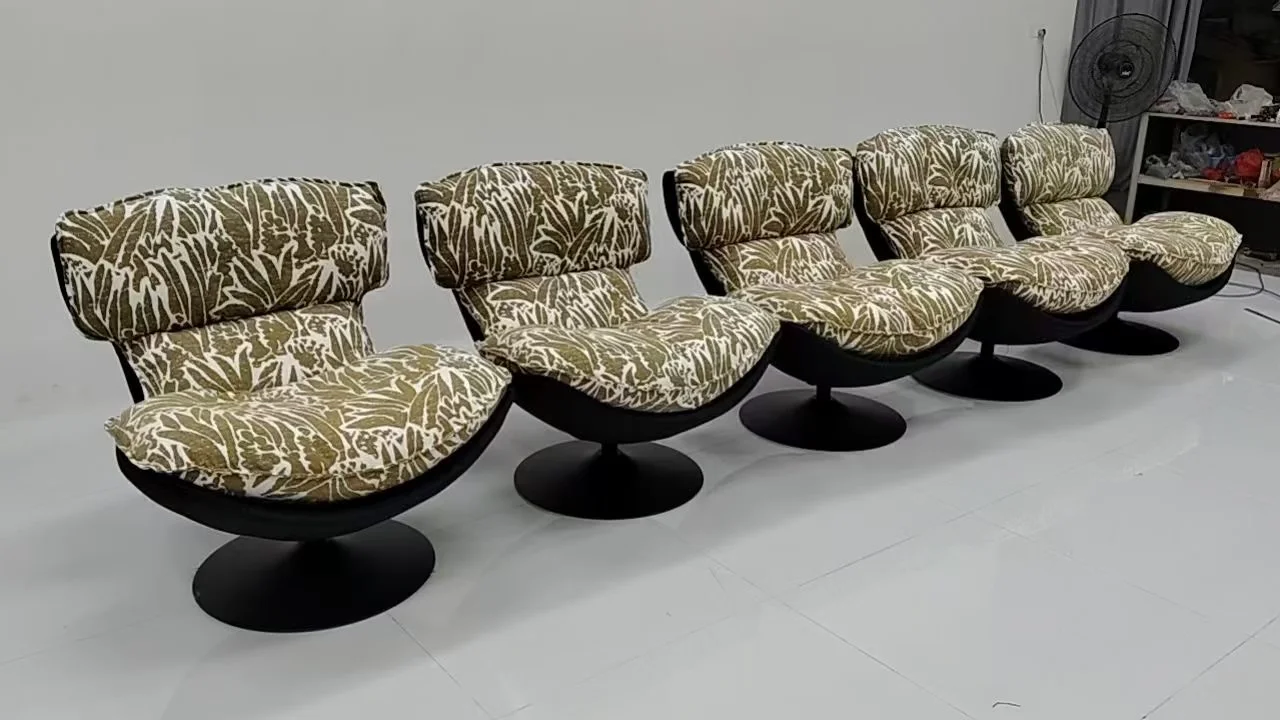
Use the actual dimensions and look at the room from its main approaches. Show where the dining chair sits when someone pulls it out and how the coffee table looks from the entrance. Update the presentation with the views that affect the decision.
Check for Conflicts Between Pieces
If a chair might block a sideboard door, show the chair pulled out and the door fully open. We can compare a shallower chair with a different door layout so you can decide which piece to adjust.

Take Material Changes Back to the Client
Keep the existing item codes and add a suffix for each option. A change in wood tone may only need a swatch review. If a taller arm keeps the chair from sliding under the table, show the revised layout and clearance at the client meeting.
An Example with the Sofa and Dining Table Already Set
Check the dining table base before choosing chairs. Then test coffee-table footprints against the walkway between the living and dining areas. We’ll send two chair arrangements and two coffee-table options with dimensions and finish samples. Settle the seating layout first, then compare the coffee-table finish with the sofa.