Today at Arcaya, we are turning a practical bed-buying note into a more complete bedroom furniture guide. If you are choosing a new bed frame for a primary bedroom, guest room, or first home, these are the details worth checking before you buy.
1. Start With the Structure, Not the Shape
Many people begin by choosing the silhouette: platform bed, upholstered bed, storage bed, or wood bed. That matters, but the structure matters first.
A good bed frame usually has three essential parts: the outer frame that carries the weight and defines the footprint, the bed base or slat system that supports the mattress, and the headboard, which shapes comfort, proportion, and the bedroom's visual mood.
If one of these parts is weak, the bed may still look attractive in photos, but it can become noisy, unstable, or uncomfortable in daily use.
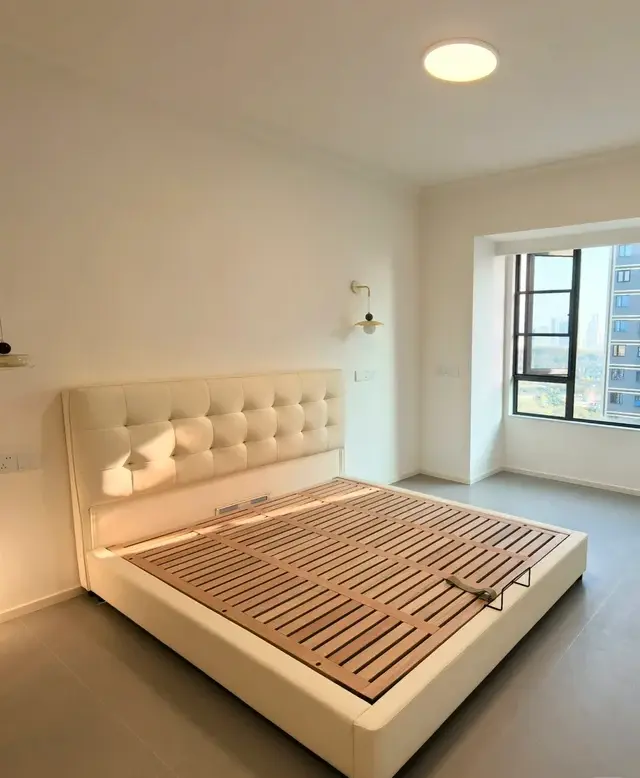
Arcaya idea: Treat the bed as architecture for the bedroom. Its lines should be beautiful, but its construction should feel dependable before anything else.
2. Choose Structural Materials Carefully
For a bed frame you plan to keep for years, pay attention to what is used in the load-bearing parts. Solid wood, high-quality plywood, and well-built engineered wood can all work when designed correctly, but thin MDF panels or low-grade particle board are less ideal for the main structure.
Solid wood is often a strong choice for the outer frame, especially when the joints and hardware are well made. It feels warmer, ages better, and is easier to repair than many low-cost composite boards.
Metal bed frames can also be practical, but they vary widely. A thin, lightweight metal frame may move or sound hollow, while a properly welded steel frame can be stable. The point is not to reject a material by name, but to check thickness, weight, joinery, and how the frame is assembled.
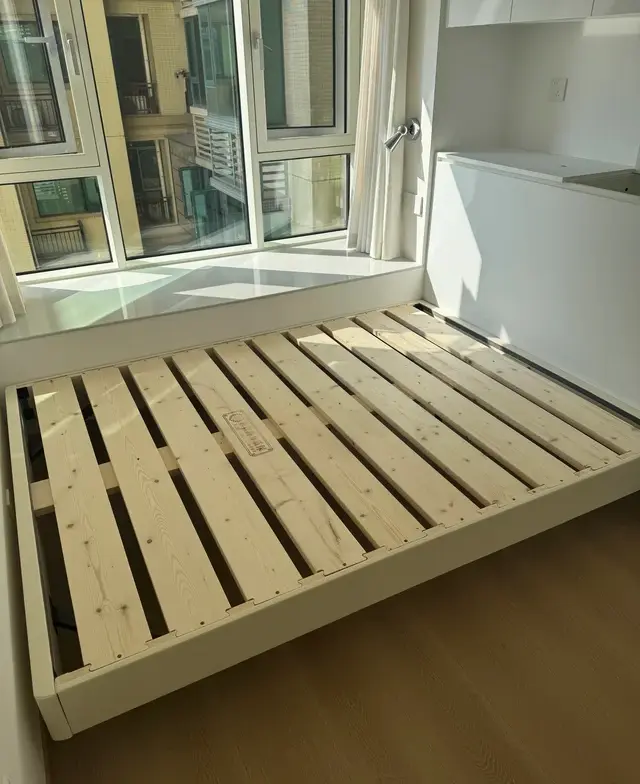
What to check:
- Are the side rails thick and rigid?
- Does the frame feel heavy enough for its size?
- Are the corners reinforced?
- Are visible panels only decorative, or do they carry weight?
- Is the finish smooth, sealed, and consistent?
Arcaya idea: In a warm modern bedroom, natural wood or a well-upholstered frame often feels more integrated than a visually thin frame. It gives the bed a calmer, more grounded presence.
3. Look Closely at the Slat System
The bed base is easy to ignore, but it is one of the most important parts of the bed. A mattress needs even support across the full sleeping surface. If the gaps between slats are too wide, the mattress can dip over time, especially with foam or hybrid mattresses.
As a general rule, slat gaps under about 2 inches, or 5 cm, are a safer choice for many modern mattresses. Always check the mattress brand's warranty requirements, because some mattress makers specify a maximum slat gap.
Slat thickness also matters. Very thin slats can bend or break under long-term pressure. Wider beds, such as queen, king, or California king sizes, should also have a strong center support beam and stable center legs.
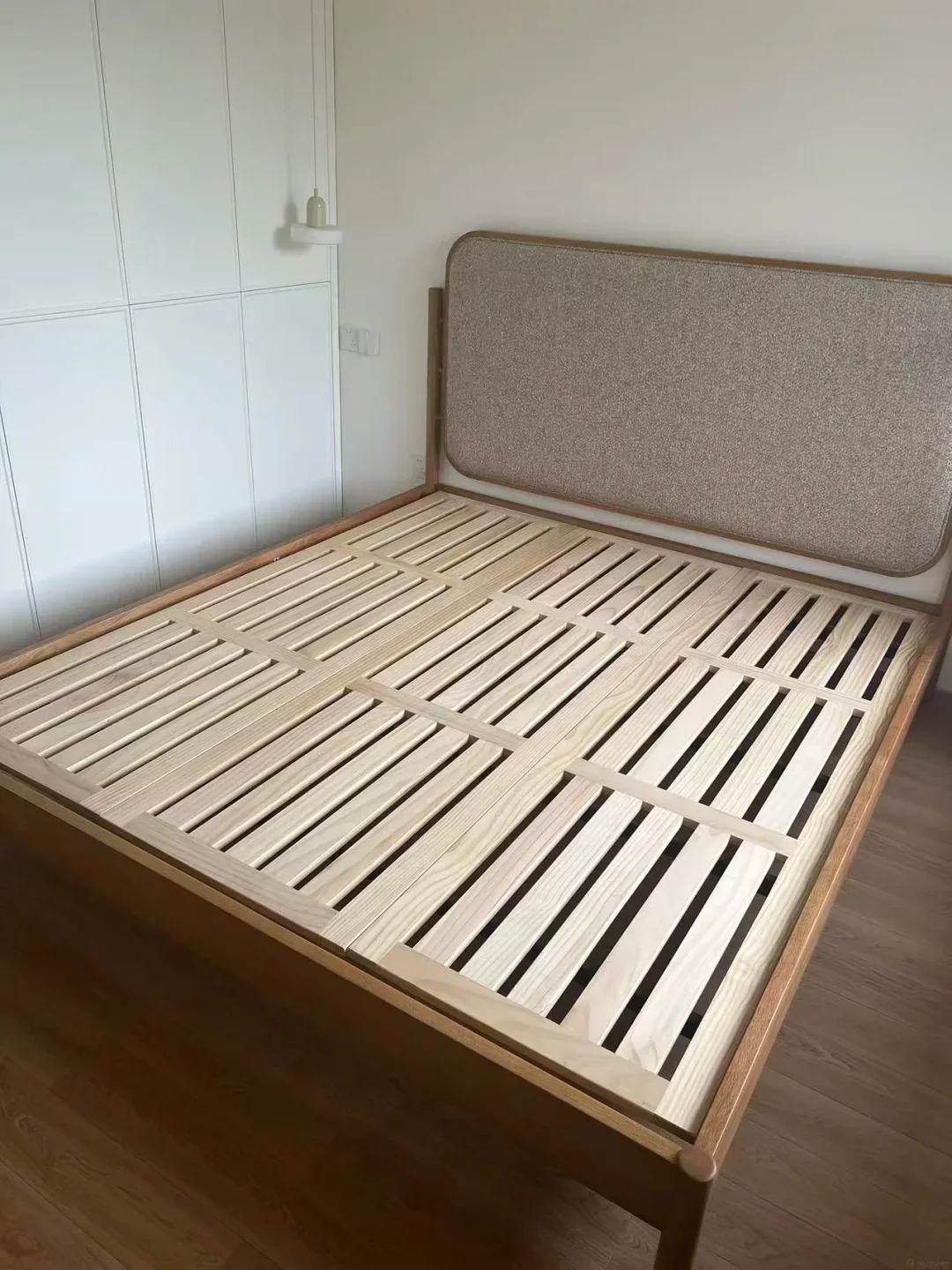
What to check:
- Are the slats close enough together?
- Are the slats thick and slightly flexible rather than flimsy?
- Does the bed include a center beam?
- Are there center support legs touching the floor?
- Do the slats sit securely instead of sliding around?
Arcaya idea: A beautiful bed should disappear into comfort at night. The slat system is one of those invisible details that makes that possible.
4. Decide Whether You Really Need an Upholstered Headboard
The headboard changes both comfort and style. If you like reading, watching a show, or leaning back in bed, an upholstered headboard can make the room feel softer and more comfortable. If you prefer a crisp, minimal look, a wood headboard may be easier to maintain and visually cleaner.
For upholstered beds, material choice matters. Natural or durable woven fabrics can feel softer and more breathable. Genuine leather can be beautiful when the quality is high and the finish is appropriate for daily use. Faux leather, PU leather, and vague "eco leather" descriptions can vary a lot, so it is worth asking what the material actually is and how it wears.
Padding is another detail to check. High-density foam, layered padding, or a well-constructed down-wrapped cushion can feel comfortable and keep its shape better than loose, thin filling. Press the headboard with your hand. It should feel supportive, not hollow.
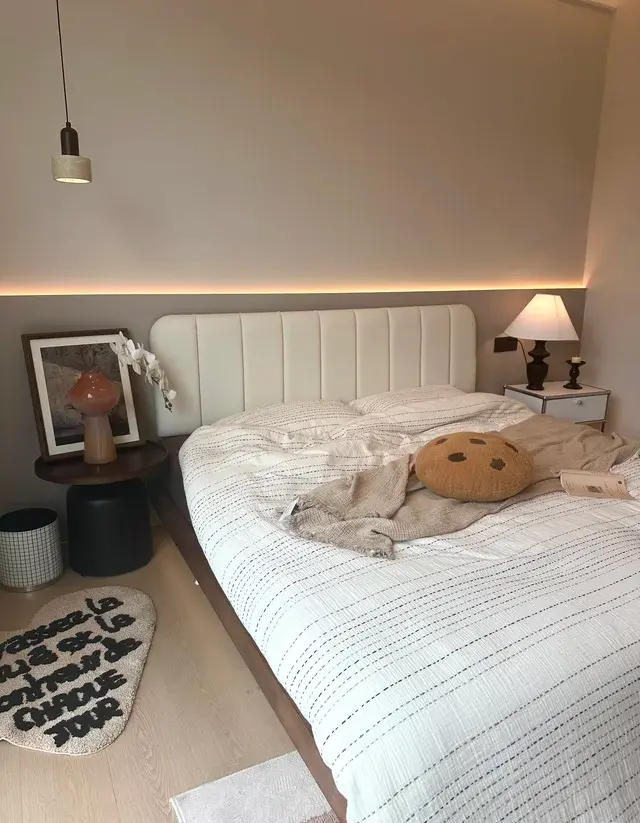
What to check:
- Will you lean against the headboard often?
- Is the fabric easy to clean?
- Does the leather or faux leather feel breathable and durable?
- Does the padding rebound after being pressed?
- Is the headboard height right for your mattress thickness and room scale?
Arcaya idea: Upholstery should soften the bedroom, not make it harder to maintain. Choose materials that match how you actually live.
5. Check the Corners, Hardware, and Joints
A bed is used every day, so the connection points matter. Loose corners, weak screws, and thin brackets often lead to wobbling or noise over time.
Look at the four corners of the bed frame. Ideally, the corners should be reinforced with strong hardware, brackets, or a thoughtful joinery system. For solid wood beds, traditional joinery or well-engineered wood connections can add strength and help the frame age more gracefully.
Avoid relying only on a few exposed screws to hold a large bed together. Screws are useful, but the overall structure should also be supported by rails, brackets, fitted joints, or a center support system.
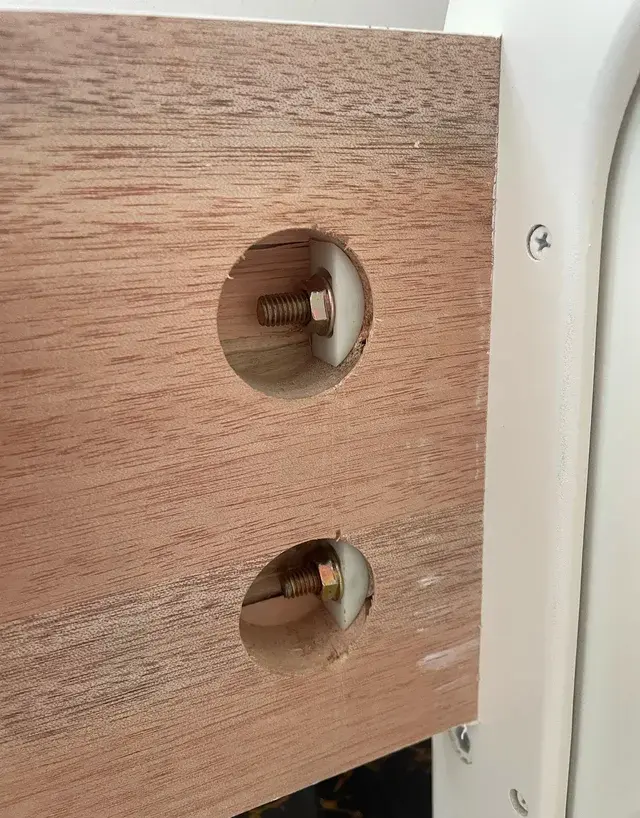
What to check:
- Do the corners feel rigid when you push the frame gently?
- Are metal brackets thick and well positioned?
- Are screw holes clean and aligned?
- Does the bed include extra center support for wider sizes?
- Can the bed be disassembled and reassembled without weakening the structure?
Arcaya idea: Good hardware is quiet confidence. You may not notice it on day one, but you will feel it after years of use.
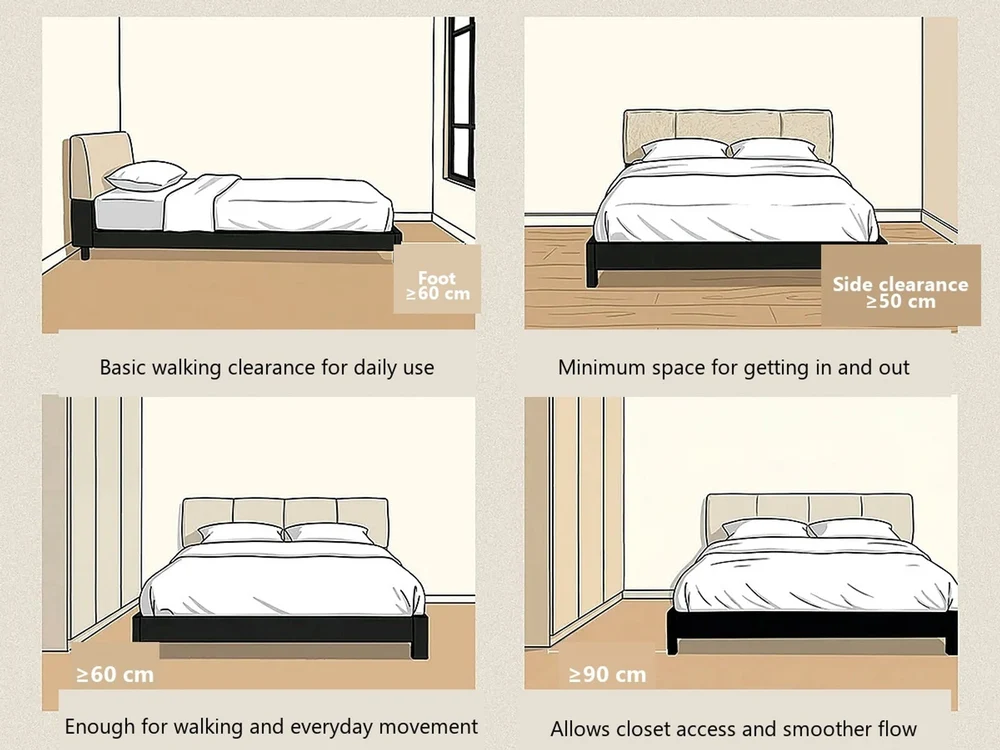
6. Measure the Real Footprint, Not Just the Mattress Size
One of the easiest mistakes is assuming that a queen or king bed frame is the same size as the mattress. The listed size usually refers to the mattress size the frame supports, not the total outside dimensions of the bed.
The headboard, side rails, footboard, upholstery thickness, and curved corners can all add extra inches. This matters especially in bedrooms with wall switches, outlets, narrow walkways, closet doors, or nightstands.
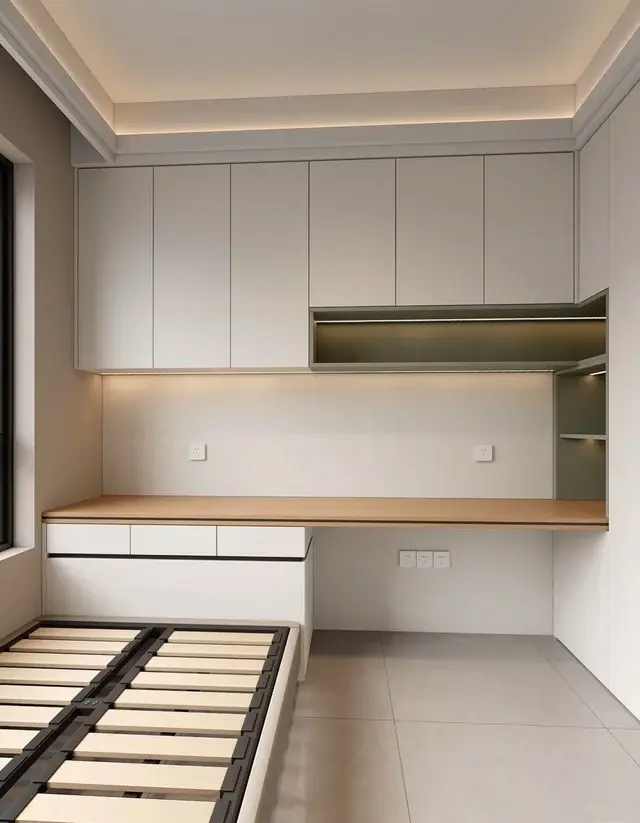
Before buying, measure:
- Mattress size
- Total bed frame width
- Total bed frame length
- Headboard width and height
- Distance from the wall to switches and outlets
- Clearance around both sides of the bed
- Clearance at the foot of the bed
- Nightstand width and lamp placement
For comfortable daily use, leave enough walking space around the bed. A beautiful frame can become frustrating if it blocks a switch, crowds a closet door, or makes the room feel tight.
Arcaya idea: The best bed is not the biggest one you can fit. It is the one that gives the room proportion, comfort, and easy movement.
7. Be Thoughtful About Storage Beds
Storage beds can be useful, especially in apartments or bedrooms with limited closets. But they are not always the best default choice.
A storage bed is heavier, more complex, and often harder to move. Lift-up mechanisms and drawers need space to operate. The storage cavity can also affect airflow around the mattress, depending on the design.
If you truly need extra storage, choose a well-built storage bed with smooth hardware, strong lift support, and easy access. If your home already has enough closets or built-ins, a simpler platform bed may feel lighter, cleaner, and easier to maintain.

What to check:
- Do you need the storage, or does the room already have enough?
- Can drawers open fully without hitting nightstands or walls?
- Is the lift mechanism smooth and stable?
- Is there enough ventilation around the mattress?
- Will the bed be difficult to move later?
Arcaya idea: Storage should solve a real problem. If it only adds weight and complexity, the room may feel better with a simpler bed.
8. Match the Bed Frame to the Bedroom's Atmosphere
Once the structure is right, the style choice becomes easier. A wood bed frame brings warmth and natural texture. An upholstered bed adds softness and quiet volume. A slim platform bed can make a room feel more spacious. A taller headboard can create a stronger focal point.
The key is to connect the bed with the rest of the bedroom: flooring, wall color, curtains, nightstands, lighting, and bedding. A bed does not need to match every piece, but it should belong to the same visual language.
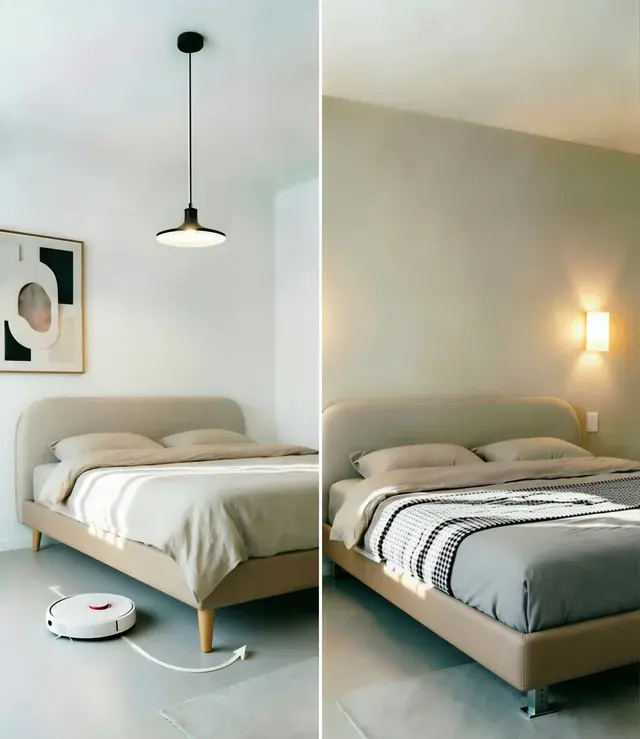
For warm modern bedrooms, Arcaya often looks for:
- Soft neutral upholstery
- Natural wood tones
- Low or medium-height profiles
- Quiet, rounded edges
- Balanced scale with nightstands
- Layered bedding rather than heavy decoration
- Warm bedside lighting
Arcaya idea: A bedroom should feel restful before it feels impressive. Let the bed anchor the room with calm proportion and honest materials.
A Quick Bed Frame Checklist
Before you buy, ask these questions:
- Is the main structure solid, rigid, and well supported?
- Are the slats close enough for your mattress?
- Does the bed include a center support beam and center legs for larger sizes?
- Is the headboard material comfortable and durable?
- Are the corners reinforced with strong hardware or good joinery?
- Have you measured the full outer dimensions?
- Will the bed block any outlets, switches, doors, or walkways?
- Do you truly need storage under the bed?
- Does the frame fit the mood of the bedroom, not just the product photo?
Arcaya Takeaway
Choosing a bed frame is not only about finding a style you like. It is about choosing the piece that will support your mattress, fit your room, and make the bedroom feel calm every day.
At Arcaya, we believe a good bedroom begins with proportion, material honesty, and comfort that lasts. Before choosing a bed, look beyond the front-facing photo. Check the frame, the slats, the headboard, the hardware, and the actual size. These quiet details are what turn a good-looking bed into a bed you can live with for years.
Source note: Reference material adapted from online social media content. This article is an original Arcaya buying-guide interpretation for furniture education and bedroom planning inspiration only.