How Much Does Whole Home Furnishing Cost? A Room-by-Room Planning Guide
Furnishing a whole home is more than buying a sofa, a bed, and a dining table. A complete home needs furniture that fits the floor plan, storage that supports daily life, lighting that makes each room comfortable, and materials that can last through everyday use.
A realistic budget is easier to understand when it is planned room by room. Instead of asking only how much the whole home will cost, it is better to look at what each space needs, which pieces matter most, and where custom furniture or built-in storage can make the home work better.
Start With a Room-by-Room Plan
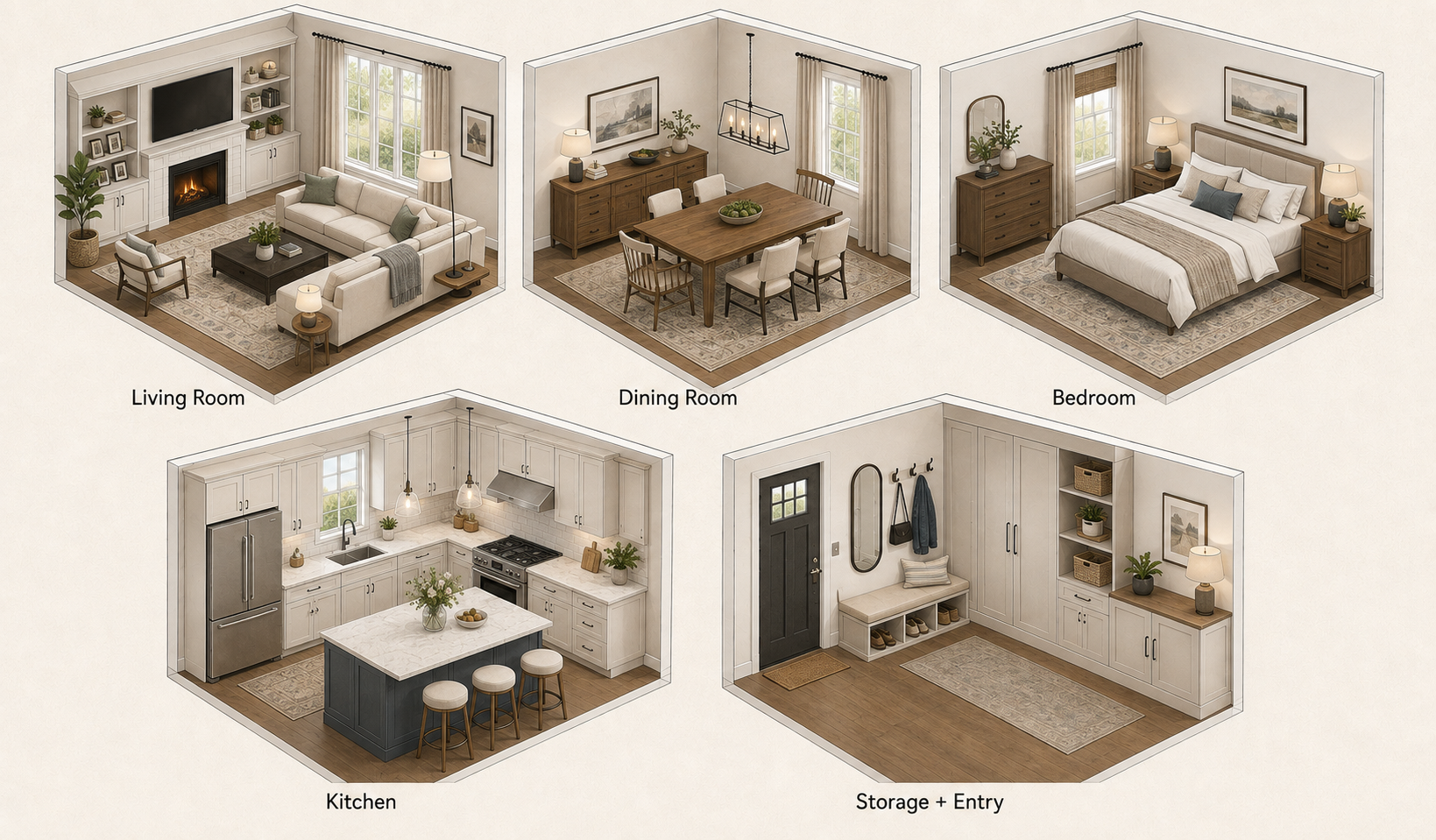
Before comparing prices, start with the rooms that need to be furnished. A living room, dining room, primary bedroom, guest bedroom, kitchen, closet, entryway, and outdoor area all have different priorities. Some spaces need investment in comfort, while others need investment in storage or durability.
This kind of planning also helps keep the style consistent. When the sofa, dining table, bed, cabinetry, curtains, rugs, and lighting are selected together, the home feels more complete and less like a collection of separate purchases.
What Affects the Total Budget
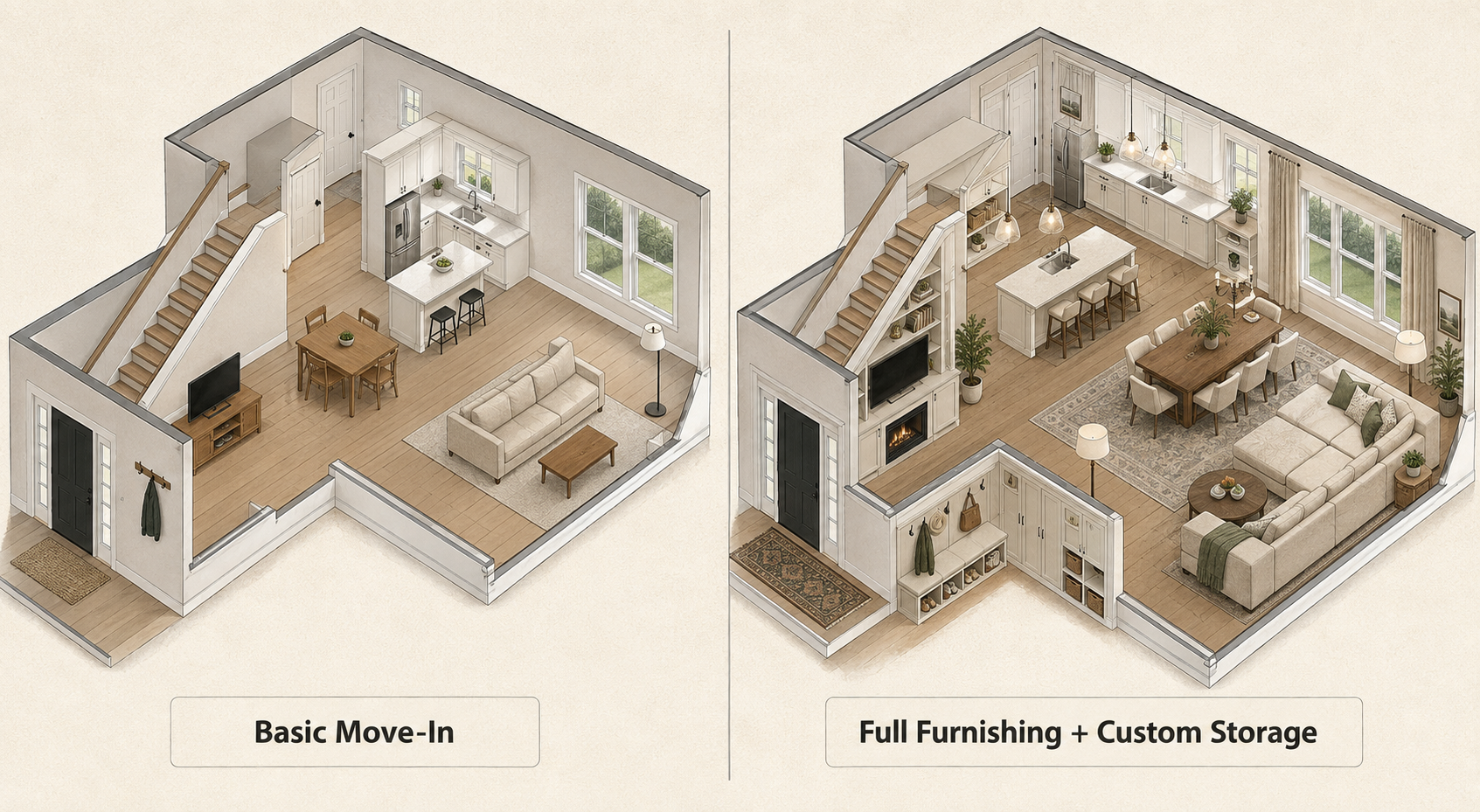
The total cost depends on the size of the home, the number of rooms, the amount of furniture needed, the material level, and how much of the project is custom made. A simple move-in package will cost less than a fully layered home with custom cabinetry, window treatments, rugs, lighting, and styling.
Two homes with the same square footage can still have very different budgets. A smaller apartment with custom closets and built-in storage may cost more than a larger home furnished mostly with ready-made pieces. The most important question is not only how big the home is, but how complete and customized the final result needs to be.
Living Room Budget
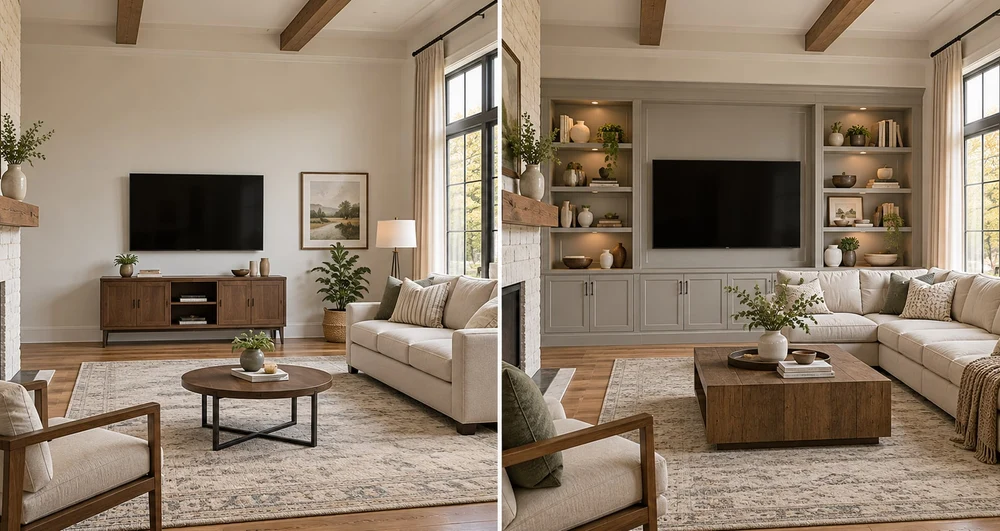
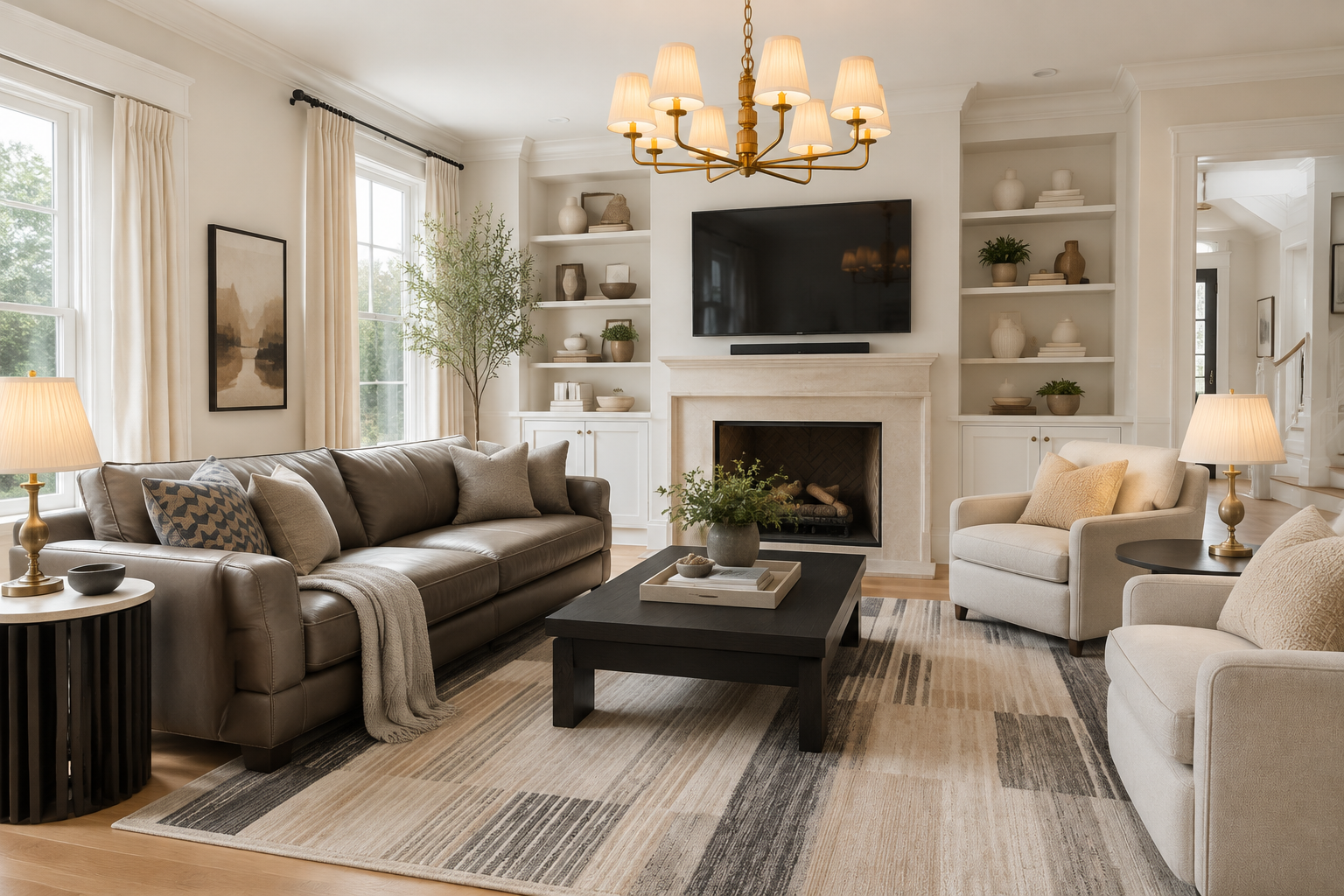
The living room is often one of the biggest parts of a whole home furnishing budget. It usually includes a sofa, lounge chairs, coffee table, side tables, media cabinet, rug, curtains, lighting, and decor. In an open-plan home, the living room may also need larger rugs, console tables, bookcases, or built-in storage to define the space.
For a lower budget, the focus can stay on the main seating pieces. A mid-range budget can add better upholstery, a stronger coffee table, a rug, and warmer lighting. A higher budget may include a custom-size sofa, built-in TV storage, natural materials, layered lighting, and a more finished styling package.
Dining Room Budget
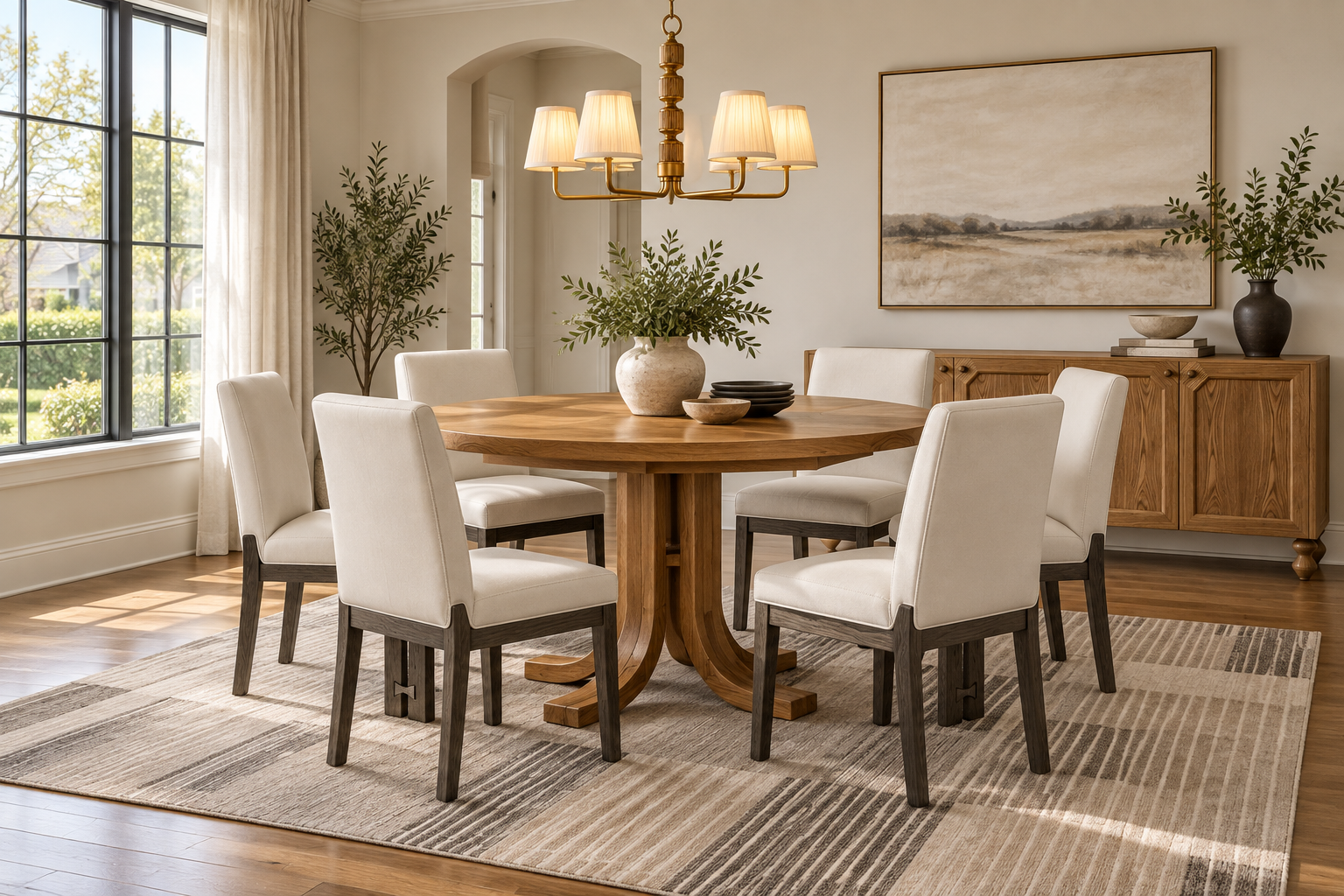
Dining room cost depends on the size of the table, the number of chairs, the material, and whether the space also needs a sideboard, pendant light, rug, or wall decor. A small dining area for four people is very different from a formal dining room for eight or ten.
The dining table is usually worth careful investment because it is the visual center of the room and receives daily use. Chairs should feel comfortable and durable. If the dining area is connected to the living room, the finishes and colors should also work with the rest of the home.
Bedroom Budget
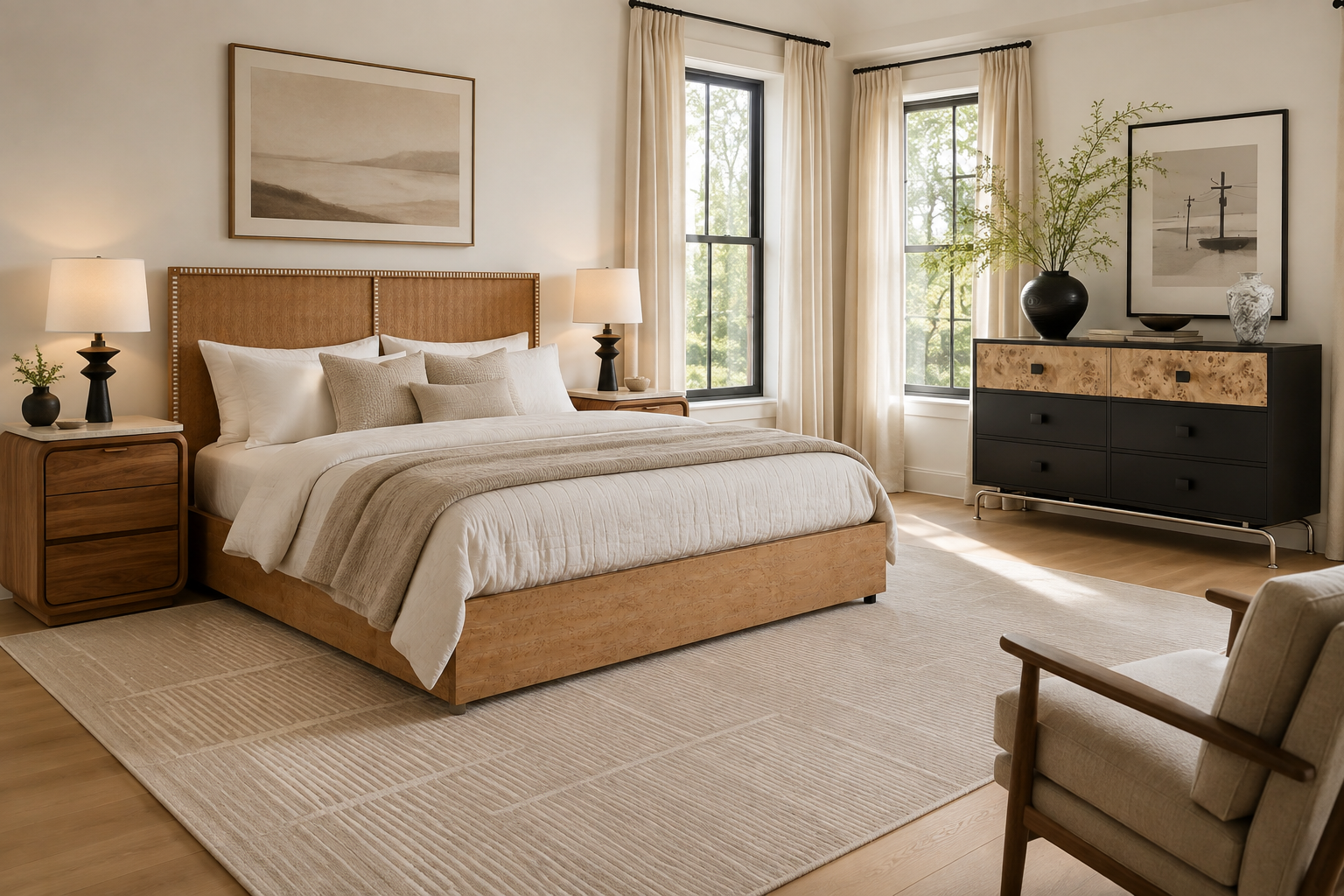
A bedroom budget usually includes the bed frame, mattress, nightstands, lamps, dresser or storage cabinet, rug, curtains, bedding, and a few decorative details. The primary bedroom often deserves a higher budget because it affects daily comfort, while guest bedrooms can be simpler.
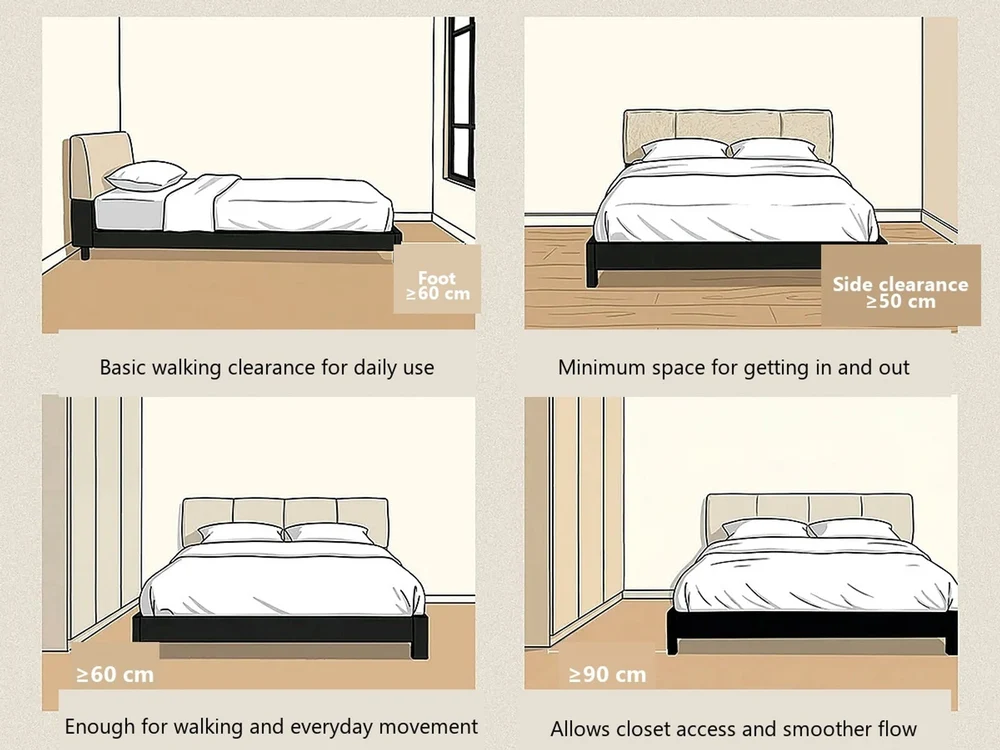
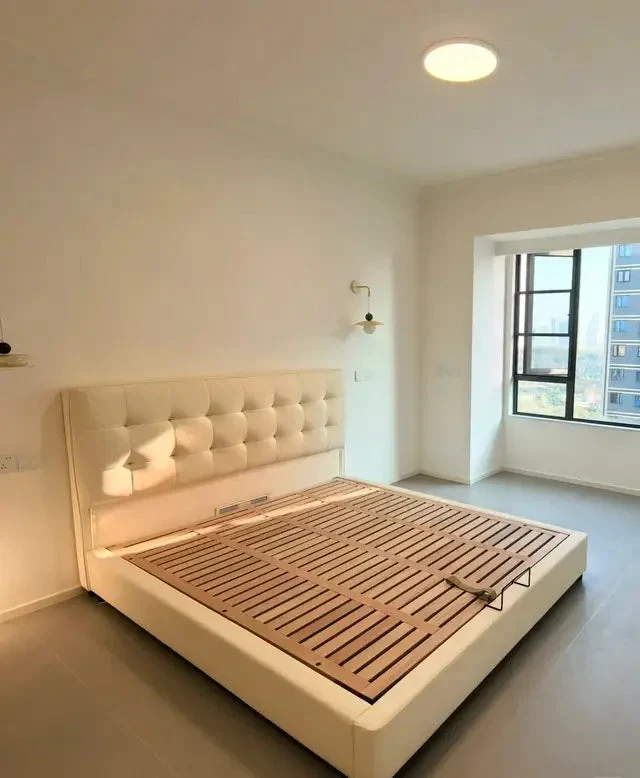
It is also important to remember that mattress size and bed frame size are not always the same. Upholstered beds, storage beds, tall headboards, and custom dimensions can change both the price and the layout. A good bedroom budget leaves enough space for movement, storage, lighting, and soft layers.
Kitchen Cabinets and Built-In Storage
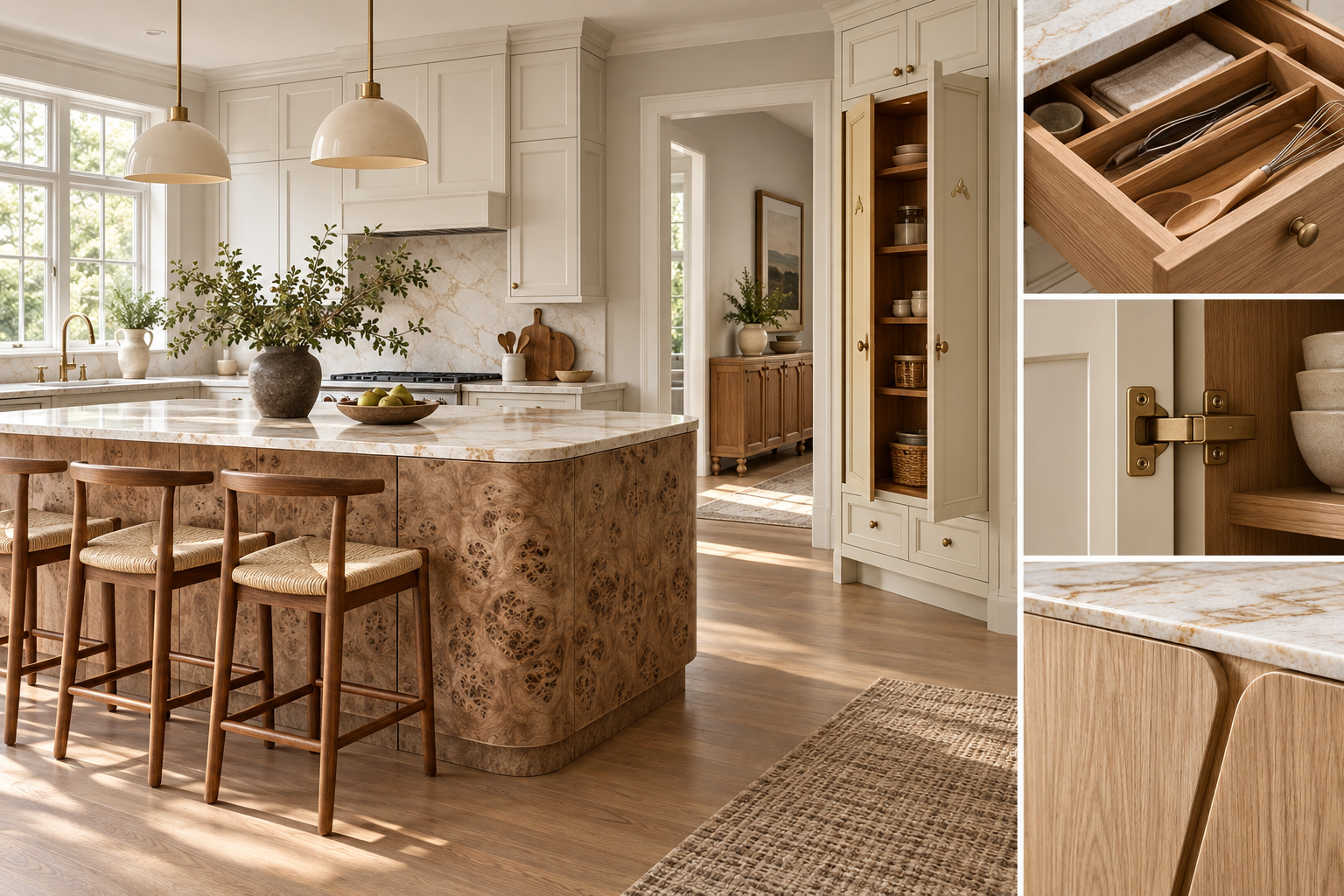
Custom cabinetry can be one of the largest variables in a whole home budget. Kitchen cabinets, wardrobes, entry cabinets, TV walls, laundry storage, and pantry systems all need accurate measurement, drawings, materials, hardware, production, and installation.
Cabinet cost depends on the board material, door finish, hardware, interior finish, edge banding, countertop coordination, and installation complexity. Good cabinetry is not only about how it looks from the outside. It also affects storage, daily function, durability, and the long-term value of the home.
Custom Furniture and Ready-Made Pieces
Not every piece in a home needs to be custom made. Custom furniture is most useful when the room has unusual dimensions, when storage needs are specific, or when the homeowner wants a more consistent whole home look. Sofas, dining tables, beds, wardrobes, media cabinets, and built-in storage are often strong candidates for customization.
Ready-made pieces can still be useful for side tables, small accent chairs, simple lamps, and decorative accessories. A good furnishing plan uses custom pieces where they solve real problems and ready-made pieces where they keep the budget flexible.
A Sample Room-by-Room Budget
For a three-bedroom home, the budget can be divided into major areas: living room, dining room, primary bedroom, guest bedrooms, kitchen cabinets, closets, entryway, lighting, rugs, curtains, decor, delivery, and installation. Seeing the budget this way helps homeowners understand which rooms require the most investment.
This sample budget should be used as a planning framework rather than a fixed quote. Every home needs a custom estimate based on the floor plan, room sizes, design style, material choices, and delivery location.
How to Control the Budget Without Making the Home Feel Cheap
Controlling the budget does not mean reducing quality everywhere. It is usually better to protect the main pieces that affect comfort, durability, and the overall feeling of the home, then simplify secondary furniture and decor.
For example, a well-made sofa can be more valuable than several weaker seating pieces. A durable dining table can anchor the home for years. Custom storage is worth keeping when it solves a real daily problem. Decorative accessories can be added later after the main furniture plan is complete.
What to Prepare Before Asking for a Quote
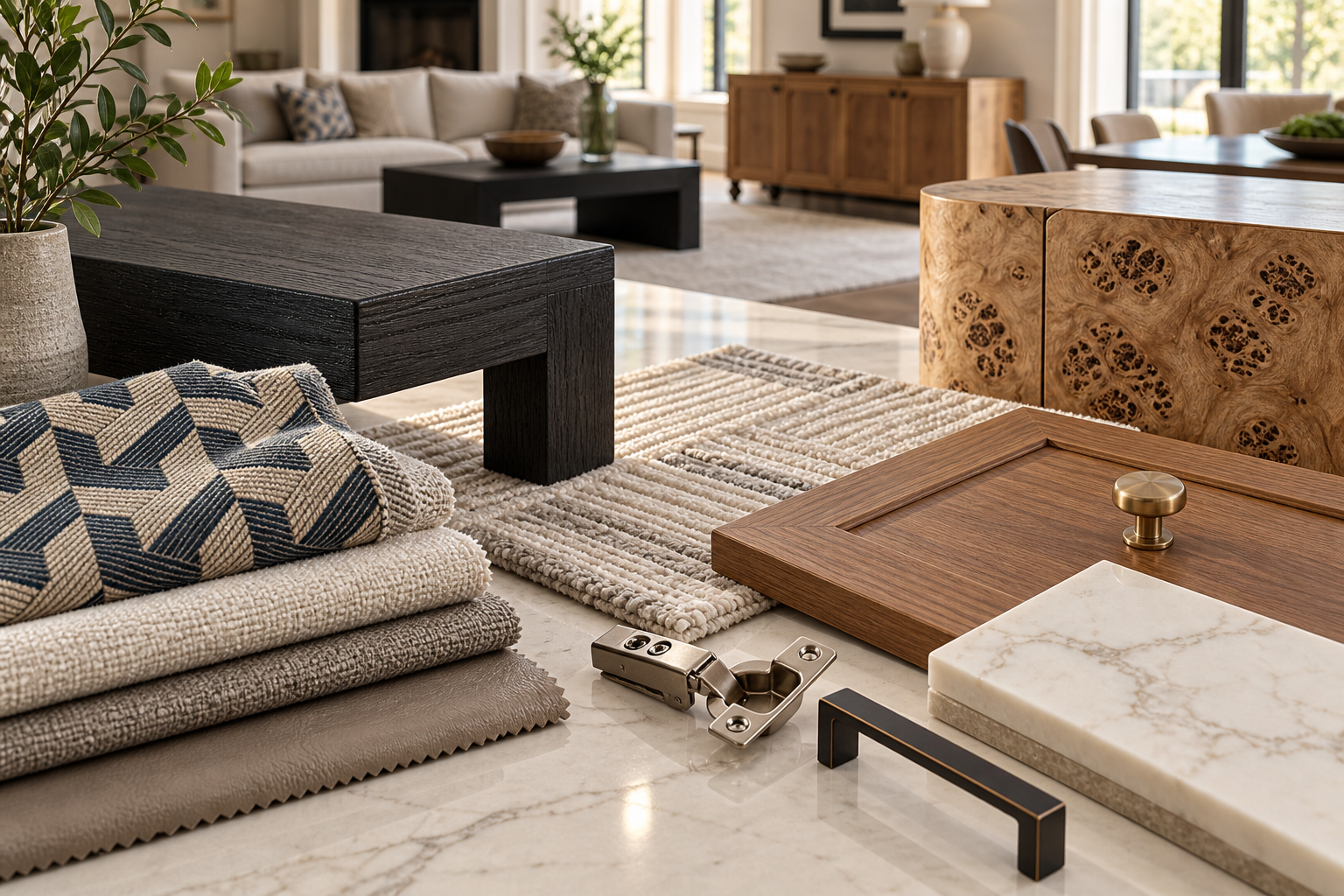
Before asking for a whole home furnishing quote, it helps to prepare a floor plan, basic room measurements, photos or videos of the current space, a list of rooms to furnish, preferred style references, must-have furniture pieces, and a rough budget range.
These details help Arcaya understand the home and build a more realistic room-by-room plan. The first step does not need to be perfect. A clear floor plan, a few style references, and a budget direction are enough to start the conversation.
Final Thoughts
Whole home furnishing cost is not decided by room count alone. It depends on the plan, the level of finish, the amount of customization, and how the budget is distributed across the home.
A room-by-room budget helps homeowners make better decisions, avoid hidden costs, and create a home that feels complete from the first day of move-in. For homeowners planning a new home, Arcaya can help turn a floor plan, style direction, and budget range into a clearer furnishing plan.