A Designer’s Guide to Sourcing Furniture from China
The sofa looks right in the rendering. Can you get it in the width you need? Will your client’s fabric choice change the price or push back delivery? If the maker can only supply it with a different base, will it still work in the room?
That’s where we come in. Your studio tells us what matters to the design. As your sourcing agent in China, we check what suppliers can actually make or deliver, what it will cost and when it can be ready. You get a shortlist you can take into your next design review.

When to Bring in a Sourcing Agent
You can bring us in as soon as the design direction is clear. A moodboard and a preliminary plan are enough to see what we can shortlist, where a ballpark price would help and which pieces need site measurements first. If you already have an FF&E schedule, we can work through it line by line and flag any missing details that suppliers need to quote.
Start with the pieces that could throw off the rest of the layout. A wider sofa might leave no room for the side table. A different dining table base might make the end seats unusable. In one designer’s account, supplier and sample reviews followed site measurements and the material schedule. That’s a natural point to check which pieces can meet the brief.
What Your Studio Handles and Where We Help
Your studio leads the design and manages the client relationship. You decide what has to stay, which alternatives fit the scheme and what’s ready to show the client. We brief suppliers, check what their quotes include, arrange the samples we’ve agreed on and bring the remaining decisions back to you.
Say the sofa needs a low back, an exposed timber base and room for four people to sit comfortably. We find out which makers can meet those requirements and what they need to confirm the design. It’s also worth agreeing up front who measures the site, receives the shipment, moves the furniture into place and signs off on installation. One London studio described checking dimensions with the contractor and suppliers, then tracking each handoff through to final inspection.
What to Share at the Start
| What you have | What to mark up | What we can send back |
|---|---|---|
| Moodboard or reference images | Room, type of furniture and details you want to keep | Possible models or ways to make the piece, plus any design choices still open |
| Preliminary floor plan | Drawing revision, furniture position, confirmed dimensions and measurements still needed | Pieces we can shortlist or estimate now, and pieces that need site dimensions first |
| FF&E schedule | Item codes, quantities, specs, target budget and where substitutions are allowed | Items ready to quote, questions for your studio and pieces we still need to source |
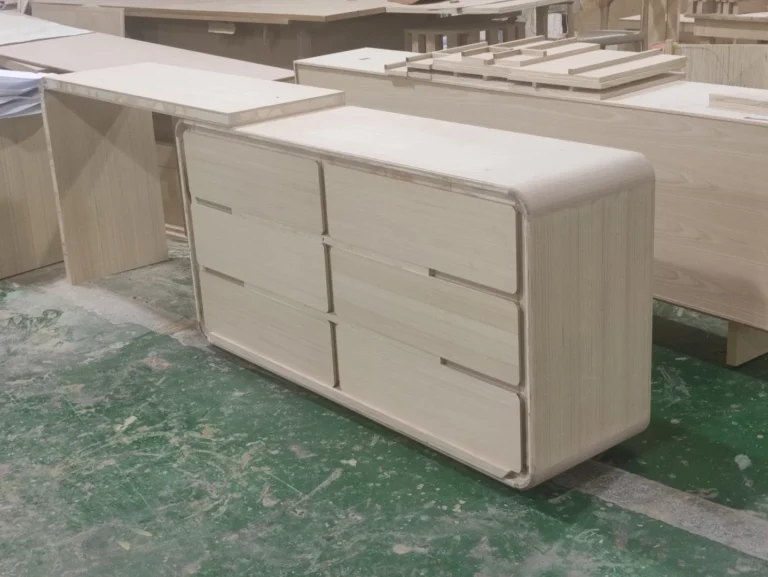
Annotate the reference image with what matters: “Keep the bench cushion and exposed timber base. The fabric can change as long as it stays within the warm neutral palette.” Mark the maximum footprint on the plan. If it’s a custom piece, share any elevations or detail drawings so each maker is pricing the same brief. One woodworking factory describes starting its sampling process with drawings, reference images and finish requirements so it can assess what’s feasible.
What to Agree Before We Contact Suppliers
Tell us which pieces you want us to find, which already have a supplier and which just need a feasibility check. Then confirm the budget, dates and site constraints.
- Budget. Say whether it covers samples, packing, freight and local delivery as well as the furniture.
- Delivery and installation. Share the delivery address or handover point, the earliest date someone can receive the goods and any fixed installation date.
- Site access. For large pieces, share door, lift and stair clearances where you have them. Flag anything that still needs measuring.
One buyer shipping furniture to Australia found that an attractive quote left storage and handling to be charged separately. Ask each supplier to quote to the same handover point and spell out the services included. A buyer in Foshan also found it useful to bring a dimensioned plan and check access before committing to large pieces.
How We Build Your Furniture Shortlist
Give suppliers something they can work with. For a sofa that feels “low and relaxed, with visible timber,” specify a low back, an exposed timber base and a maximum width. Say where there’s room to move on fabric and whether seat depth or back support matters more than matching the silhouette exactly. One buyer who tried sofas in several Foshan showrooms found that back support and seat depth changed which ones made the shortlist.
Here’s how three options for that sofa might compare.
| Option | What it keeps | What you need to decide | What we’ll check next |
|---|---|---|---|
| A · Catalogue sofa | Low back and a listed width within the limit | Does a metal base fit the scheme? | Exact dimensions, fabric and available quantity |
| B · Catalogue sofa with a finish change | Exposed timber base and a similar profile | Would separate seat cushions work? | Timber sample, extra cost for the finish and lead time |
| C · Custom sofa | The chance to match the silhouette and footprint | Is it worth commissioning a drawing and sample? | What the maker can build, what sampling covers and what the quote includes |
Different pieces may call for different makers. A sourcing practitioner working on a Canadian project described grouping items by how they needed to be built, then bringing the quotes together for review. We can do the same with your furniture schedule.
What We Check Before You Choose a Piece
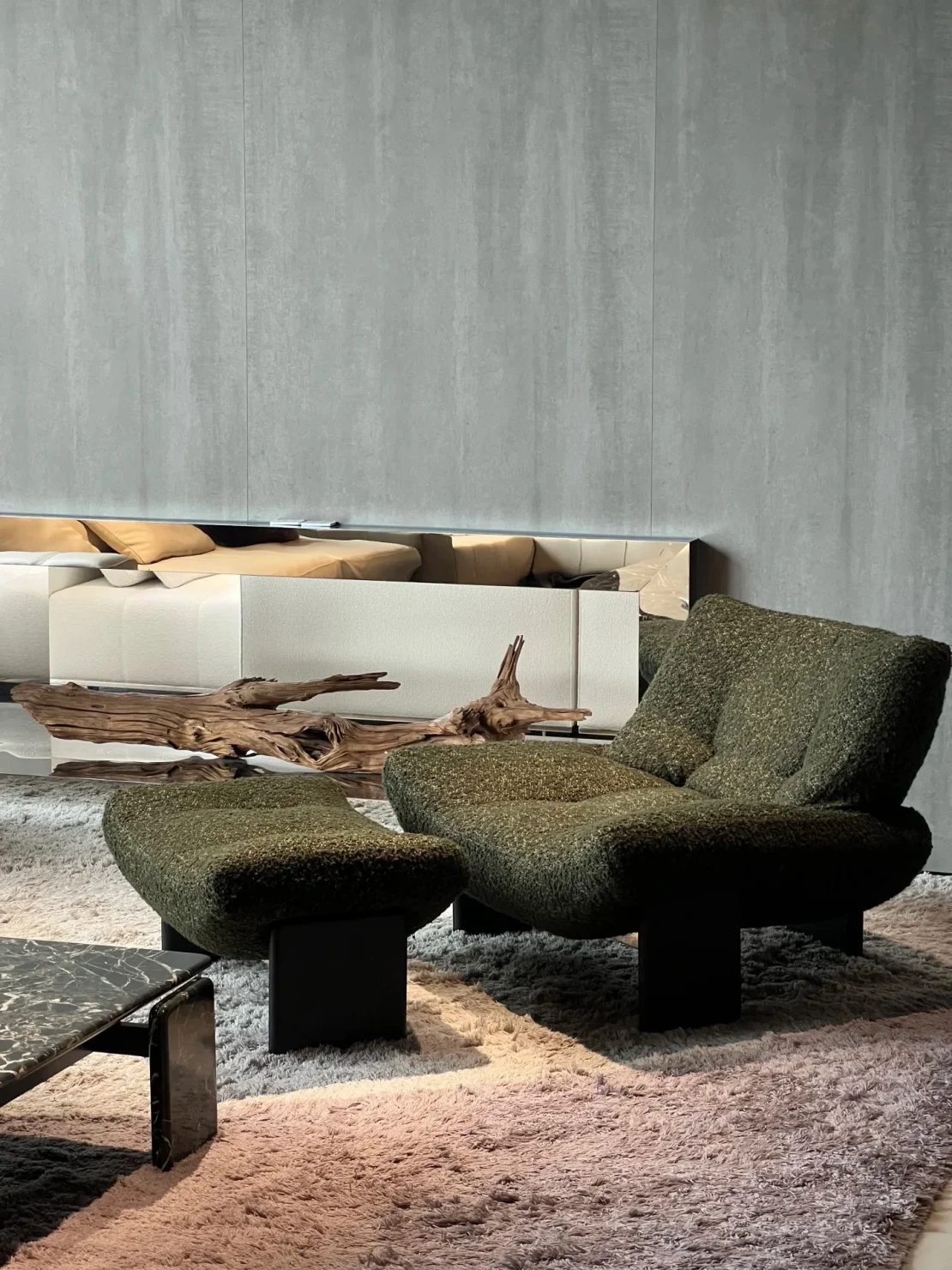
Check that the photo, sample and quote all refer to the same piece. We confirm the model, configuration, dimensions, available quantity and finish references. If you’re changing the size or material, we ask which parts are affected and whether the maker needs a revised drawing or a new sample.
Take leather upholstery. Ask what material covers the seat and other contact surfaces, and what’s used on the sides and back. If you tried a showroom sofa, check whether the quoted cushions have the same construction. For stock pieces, confirm the size, orientation, fabric and quantity actually available. One buyer comparing upholstery in Foshan found that “leather” on its own didn’t answer those questions. We keep track of what the supplier has confirmed and what still needs a written answer.
How to Compare Quotes and Lead Times
Put the quotes side by side only after you’ve checked that they cover the same piece and the same delivery scope. We check the item code, quantity, materials, custom work, samples, currency, quote expiry and handover point. We list any costs that are still open. A price for the maker’s standard fabric belongs on a separate line from the price for the fabric your client approved.
If a maker says “six weeks,” ask when the clock starts. Is it when they receive the deposit, when you sign off on the drawings or when the fabric arrives? Then ask what happens at the end of those six weeks: is production finished, is the piece ready for inspection or can it actually ship? Work back from the latest date the site can take delivery. That tells you how much time you have for samples and when to move to a backup. Get the dates for your specific piece in writing.
What to Sign Off Before Production
Keep the final drawing, approved sample and order specification together under the same item code. The drawing shows what the maker will build. The sample shows the finish, texture or feel you signed off on. The order specification records the exact configuration, approved revisions and quantity.
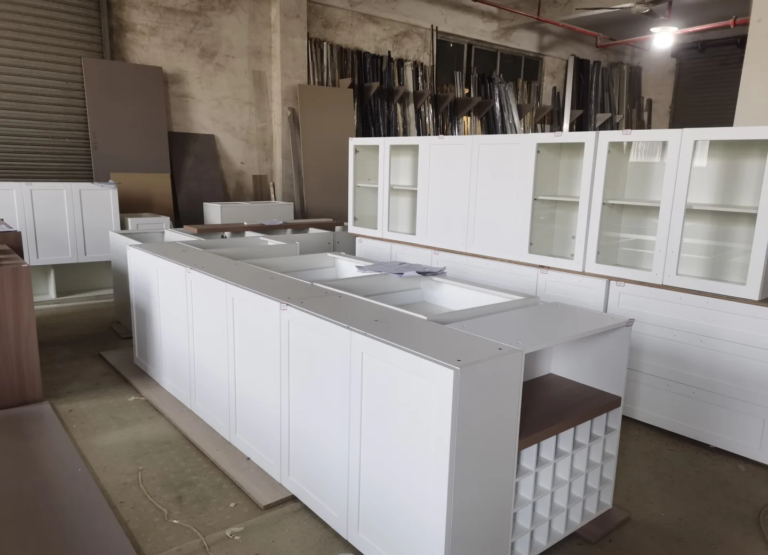
Ask for the sample that answers the question you’re trying to settle. A finish board may be enough to judge timber colour and sheen. To check a curved joint or see how a fabric pattern repeats, you may need a sample of the detail itself. If the design changes, check the production drawing as well as the rendering. One cabinetry team describes updating both when the structure or layout changes. Once you’ve signed off, we ask the maker to confirm which drawings and samples they’ll work from.
What Happens if Something Changes
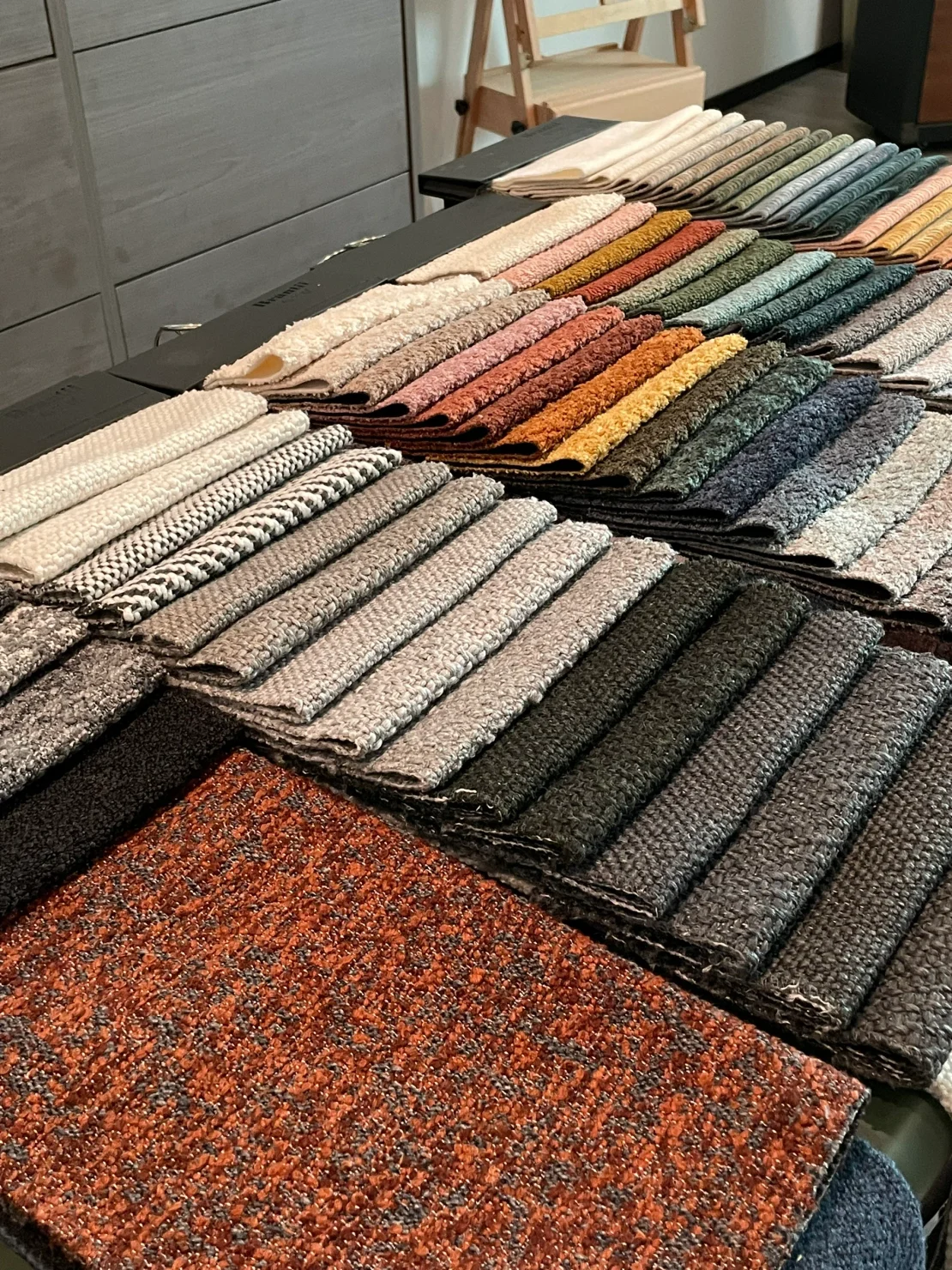
If a fabric is discontinued, a site dimension changes or the finish doesn’t match the approved sample, we identify the piece, the affected part and the version you signed off on. For a fabric substitution, we can show you both samples side by side and flag any change to the look, price or delivery date, along with what needs your approval.
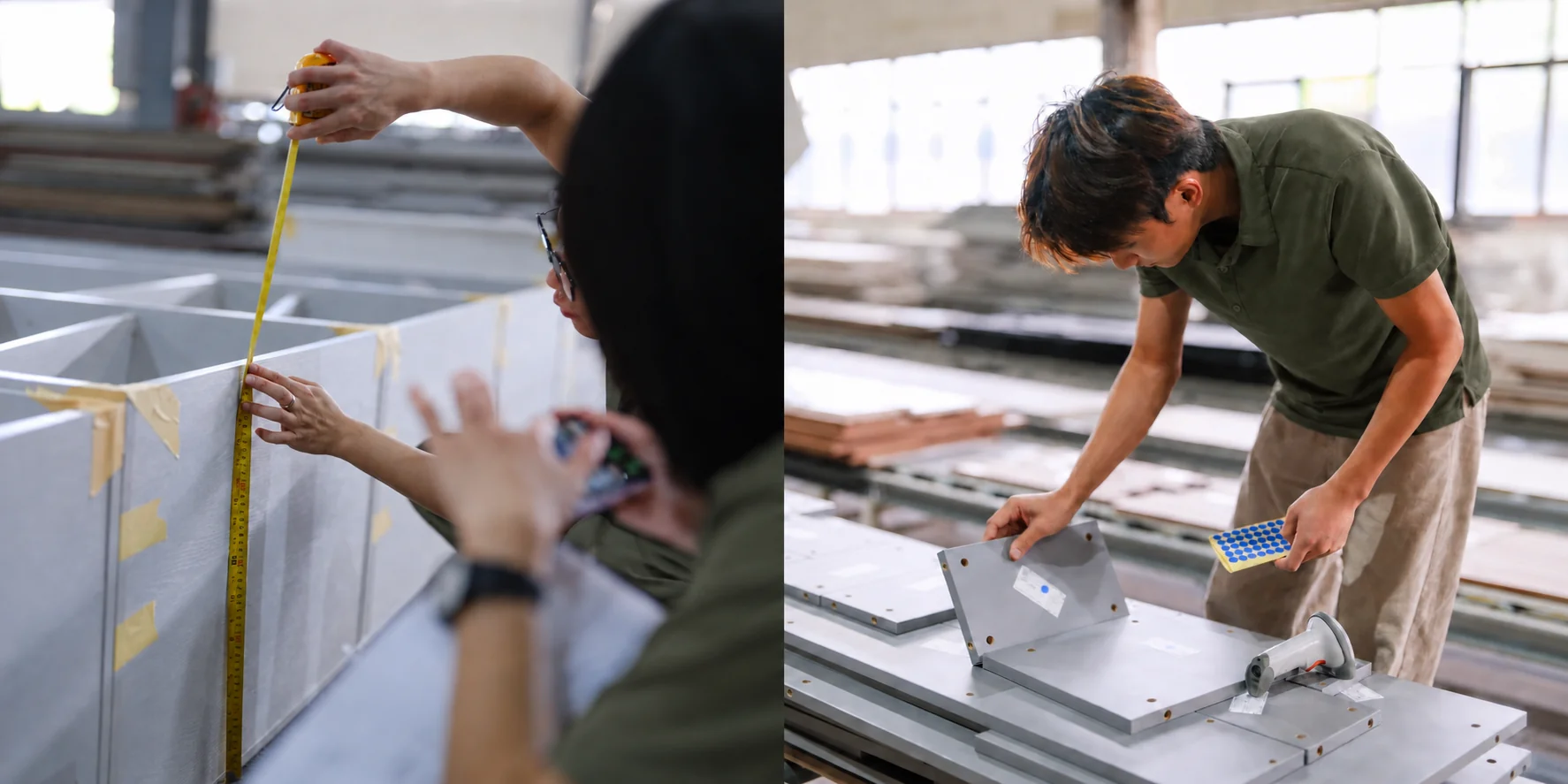
Your studio can decide whether to wait, approve the substitute or look for another piece. If an agreed inspection finds a discrepancy, we compare it with the approval record so you can decide whether to accept the piece, ask for a repair or request a remake. One buyer shipping furniture to the US reported finding a sofa in the wrong colour and damaged cabinet finishes at the warehouse in China. Agree in advance who will report issues, what evidence you’ll need and which items should be held for your decision.

What to Include in Your Sourcing Brief
Start with the first piece or room you’d like help sourcing. Here’s what to send.
- Project and timing. Include the location, delivery point and latest arrival or installation date.
- What you need sourced. List the item codes and quantities, and tell us which decision you want help with first.
- Design references. Send a moodboard, dated floor plan or FF&E schedule. Include elevations or details if they affect the piece.
- Limits and trade-offs. Note maximum dimensions, details you want to keep, changes you’d consider and measurements you’re waiting on.
- Budget and sign-off. Tell us what the budget covers, who approves pieces and samples and when you need a decision.
“Could you shortlist two sofas for the main living room? The floor plan is attached. Keep the low back and exposed timber base. We’re flexible on fabric, but both options need to fit the width on the plan. Let us know which versions are available, what’s been quoted and what you need us to decide.”
With that brief, we can tell you what’s ready to source, what we still need to confirm and which options are worth bringing to your next design review. Send us your sourcing brief.