
Furniture sourcing guide
Pre-Shipment Furniture Inspection Checklist: Specifications, Function, Quantities and Packing
A furniture inspection before shipment should establish what was checked, against which requirements, and what remains unconfirmed. Start by linking the order, approved samples, drawings and packing information. Then record findings item by item so discrepancies can be addressed and reviewed. Adapt this checklist to the actual furniture and the inspection scope agreed for the order.
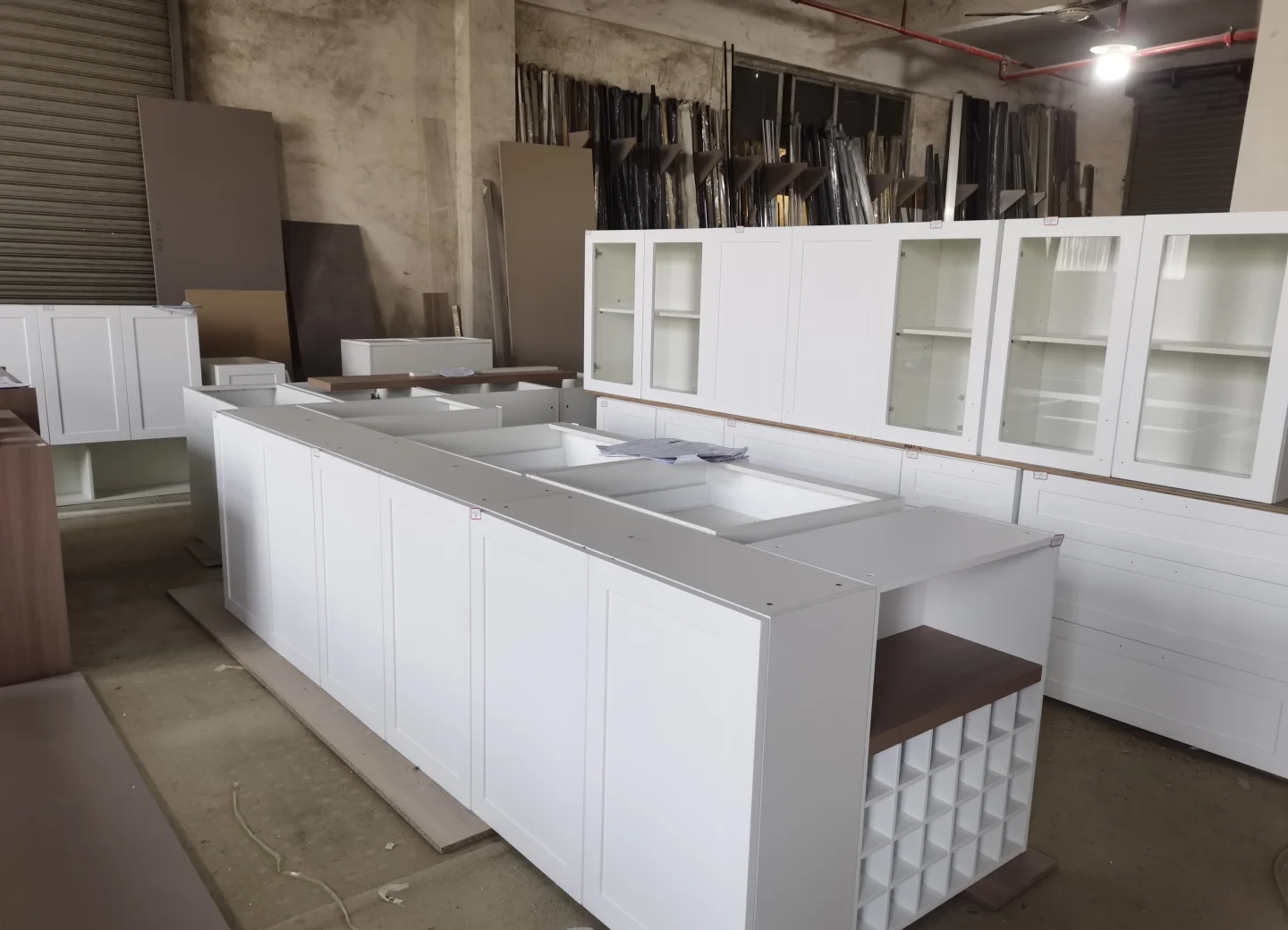
1. Establish the references and inspection scope
Prepare the current order schedule, configurations, approved drawings and sample records. Give each document a revision and date. If materials, colors, handing or quantities have changed, confirm that the inspector has the final information. Consolidate requirements from renderings, sales images and messages into references that can be matched to individual products.
Agree on the location, production state, available time and inspection conditions. Identify the designs, colors and batches covered. For a sampled inspection, record the sampling arrangement, quantities actually checked and areas outside its scope. Results from selected pieces should be reported as such.
| Before inspection | Confirm |
|---|---|
| Product identity | Order number, item IDs, designs, configurations, quantities and room or batch allocations. |
| Approved references | Current drawings, material schedules, sample IDs and agreed appearance and dimensional requirements. |
| Coverage | Whether the arrangement is a full check or sampling, which products and topics are covered, and available inspection capabilities. |
| Goods and site condition | Completion of products and packing, and access for unpacking, trial assembly and agreed checks. |
| Open questions | Missing requirements or documents, inaccessible areas and who will provide the outstanding information. |
2. Count configurations as well as complete products
Count against the product schedule, then check quantities by design, color, material and handing. An order for eight chairs may have the correct total but two in the wrong upholstery. The right number of cabinet cartons may still be missing handles, shelves or installation hardware.
For knock-down furniture, check main components, connectors, glides, handles, supports, instructions and agreed spares separately. Match them to the packing list and labels, identifying which carton holds the accessories. Where several suppliers or batches contribute to one order, keep each product's source and carton reference clear.
| Count level | Record |
|---|---|
| Main products | Item ID, design, quantity for each configuration, completed quantity and discrepancies. |
| Sets of components | Matching left and right parts, tops and bases, bed frames and supports, or other paired items. |
| Hardware and accessories | Name, model, quantity, installation location, packed location and instruction revision. |
| Spares and documents | Agreed replacements, care and installation information, and documents still missing. |

3. Check dimensions and material information on an agreed basis
Define where and how dimensions will be measured. Distinguish outside dimensions from clear openings, and identify the agreed condition for upholstery and assembled or detached components. Record actual readings with their drawing references and the basis for permitted differences. An unagreed tolerance should not be invented during inspection.
Separate what is visible from what requires documents or production records. Surface color, exposed edges, hardware markings and coverings may be observable; internal construction beneath upholstery or finishes cannot be established from appearance or weight alone.
Compare natural grain and finish color using the range agreed before production. Lighting and displays affect photos. If there is a dispute, retain the relevant sample, product reference and photographic conditions rather than declaring an exact match from one image.
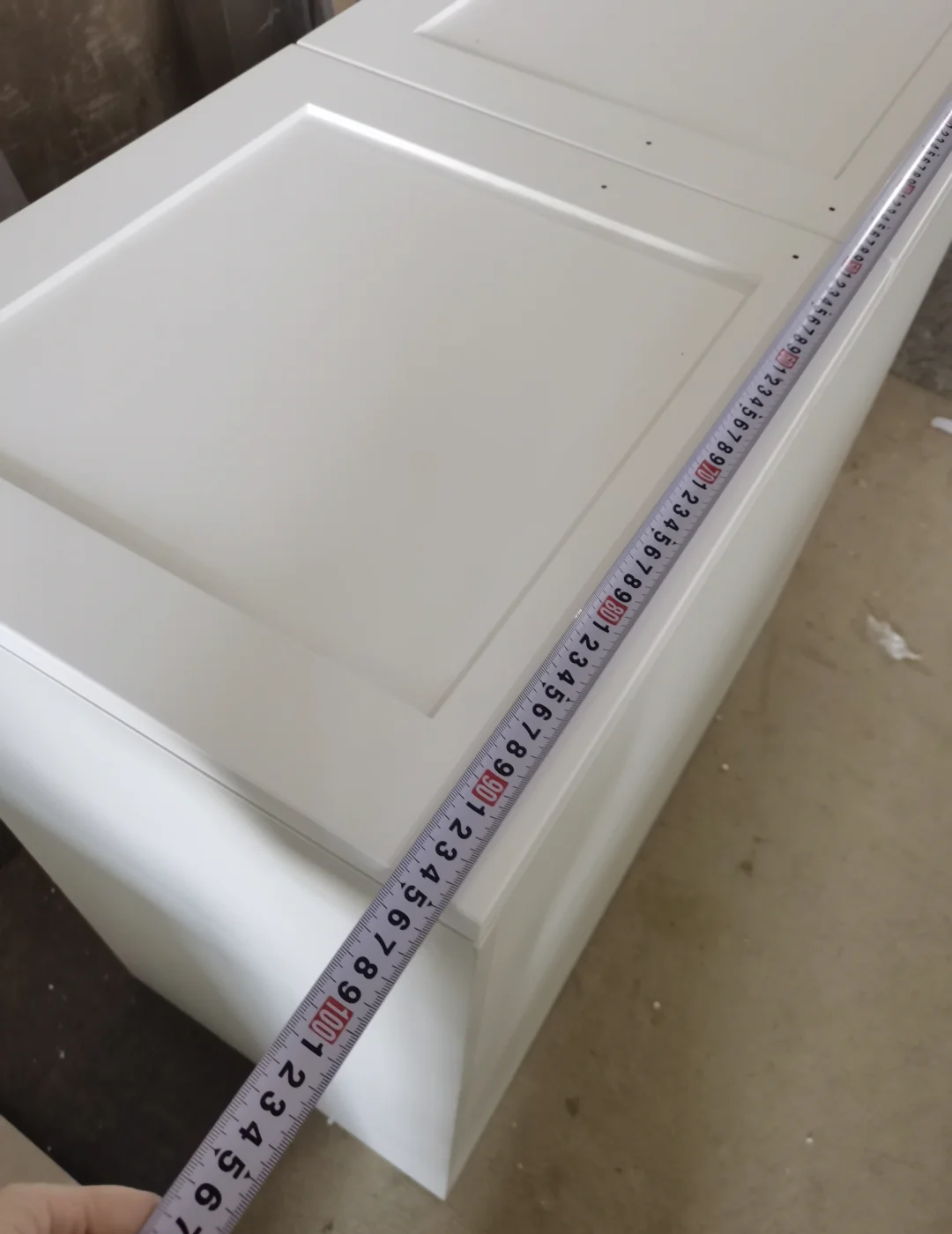
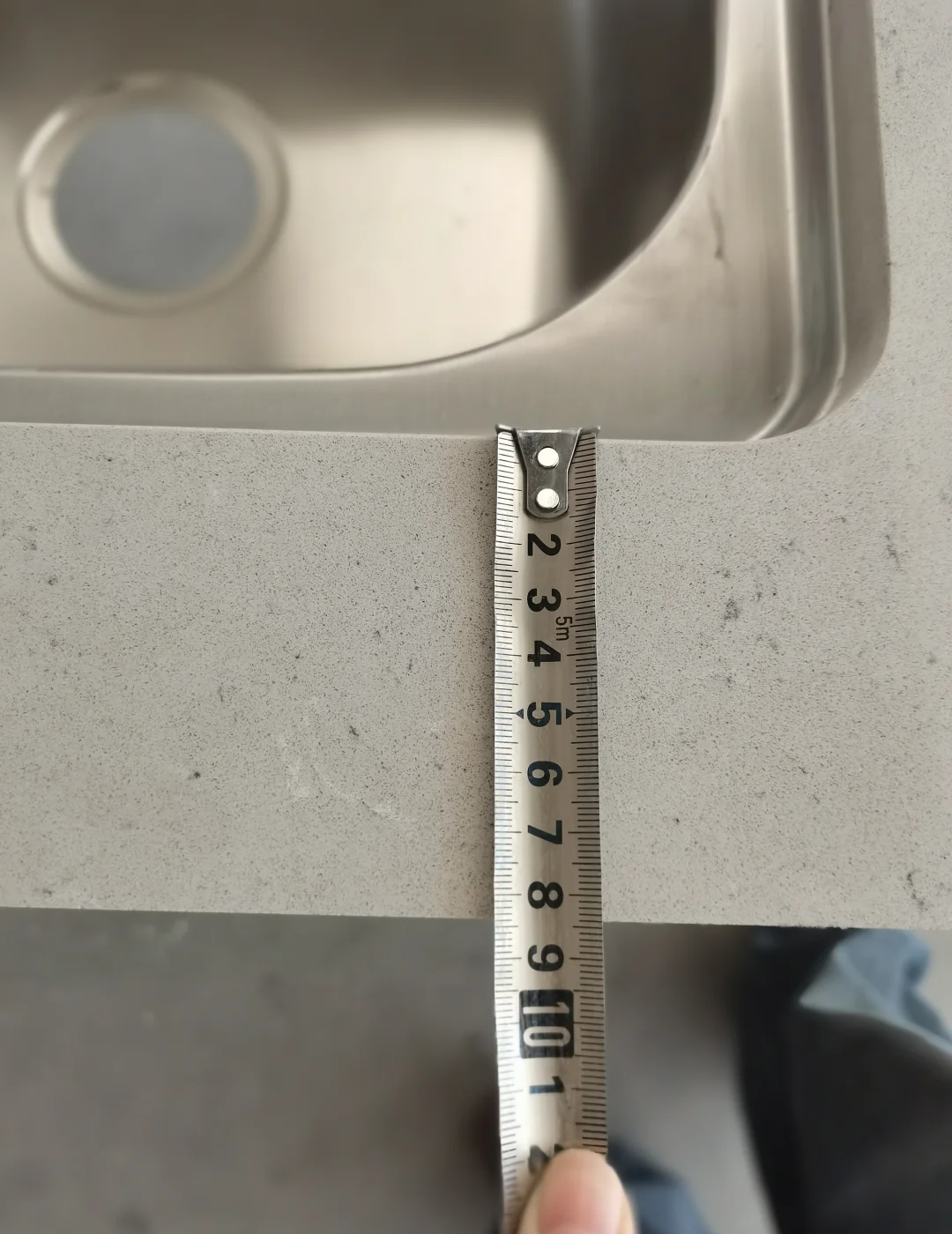
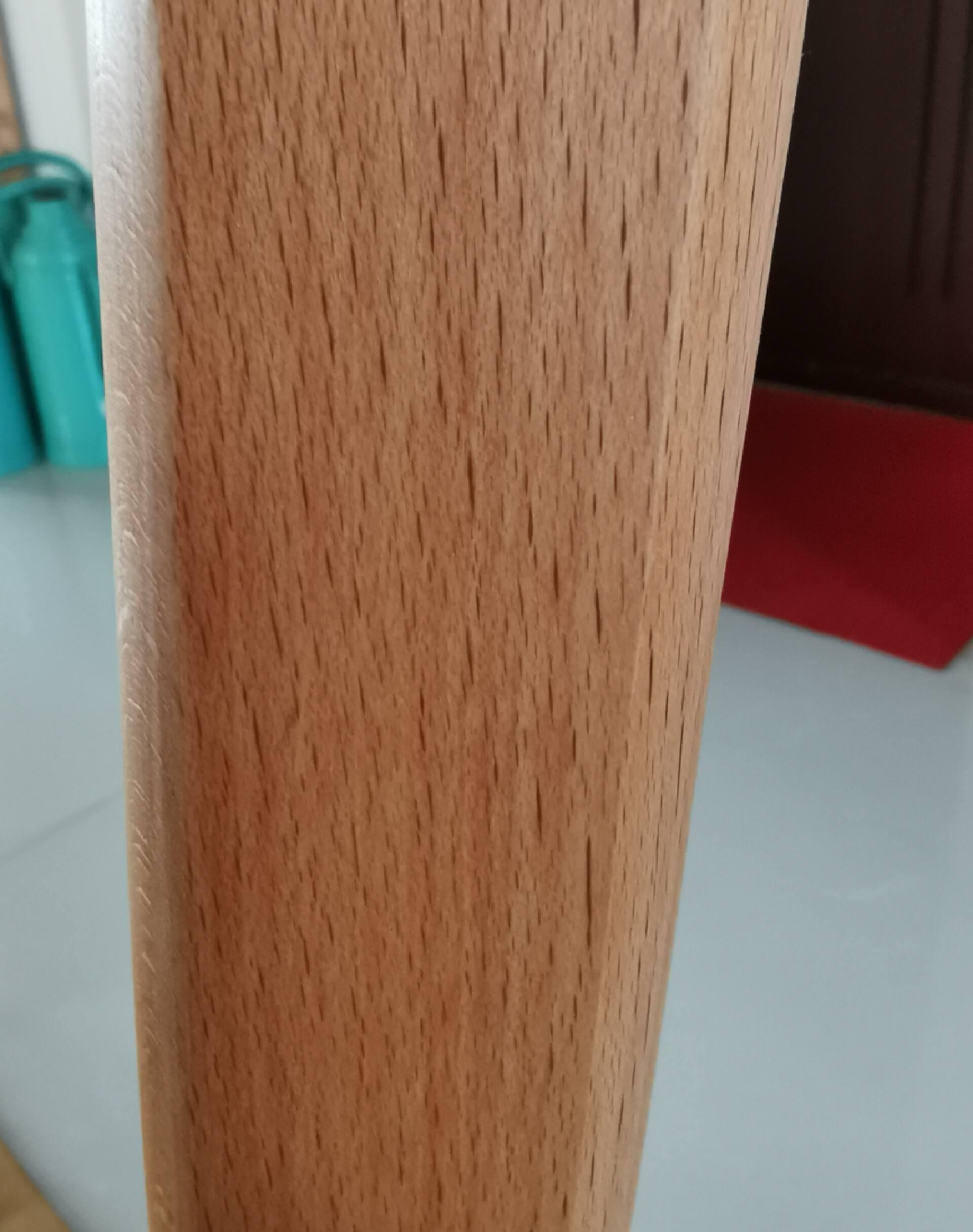
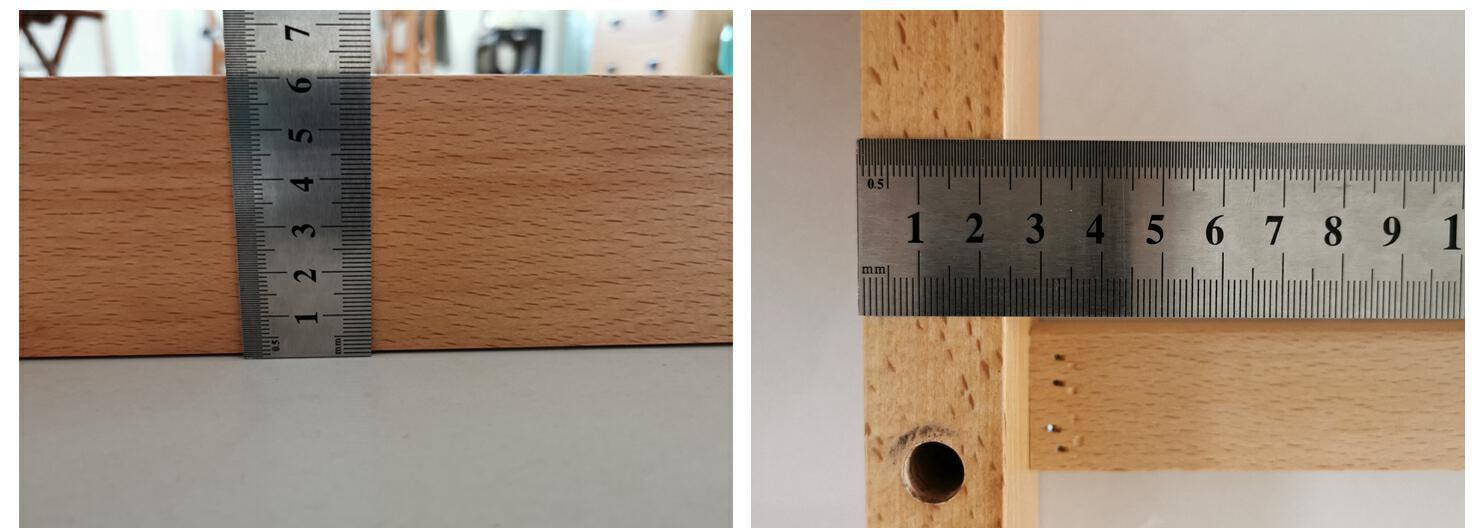

4. Review appearance, assembly and normal functions separately
Include the front, sides, back, underside and accessible internal areas in the appearance scope. Record scratches, damage, marks, seams, edges and finishes as observed. Use an overall view to locate the issue, then detail photos and measurements where useful.
Where assembly is required, perform the agreed trial using the instructions and fittings intended for shipment. Check that parts correspond and the steps can be followed. Operate selected doors, drawers, extensions or other functions according to the product instructions and inspection scope. Record binding, missing parts or incompatible connections and obtain a proposed remedy.
Ordinary assembly and function checks do not establish long-term durability, load capacity or every safety property. Arrange load, impact, fatigue, electrical or chemical work separately with a suitably equipped provider using applicable methods. Confirm that supporting records match the model and configuration. Improvised heavy loads, striking or forceful shaking do not replace that work.
| Product or topic | Questions for the agreed scope |
|---|---|
| Tables and chairs | Dimensions, appearance, visible connections, glides, floor contact on the agreed supporting surface and fit within the set. |
| Cabinets | Door, drawer and hardware configurations, normal opening, internal accessories and complete instructions. |
| Beds and bedroom furniture | Handed components, supports, connectors, assembly sequence and approved mattress-fit dimensions. |
| Upholstered furniture | Fabric or leather codes, covering locations, seams, component combinations and visible condition. |
| Knock-down instructions | Part IDs, accessory packs, tools and steps matched to the actual supply. |
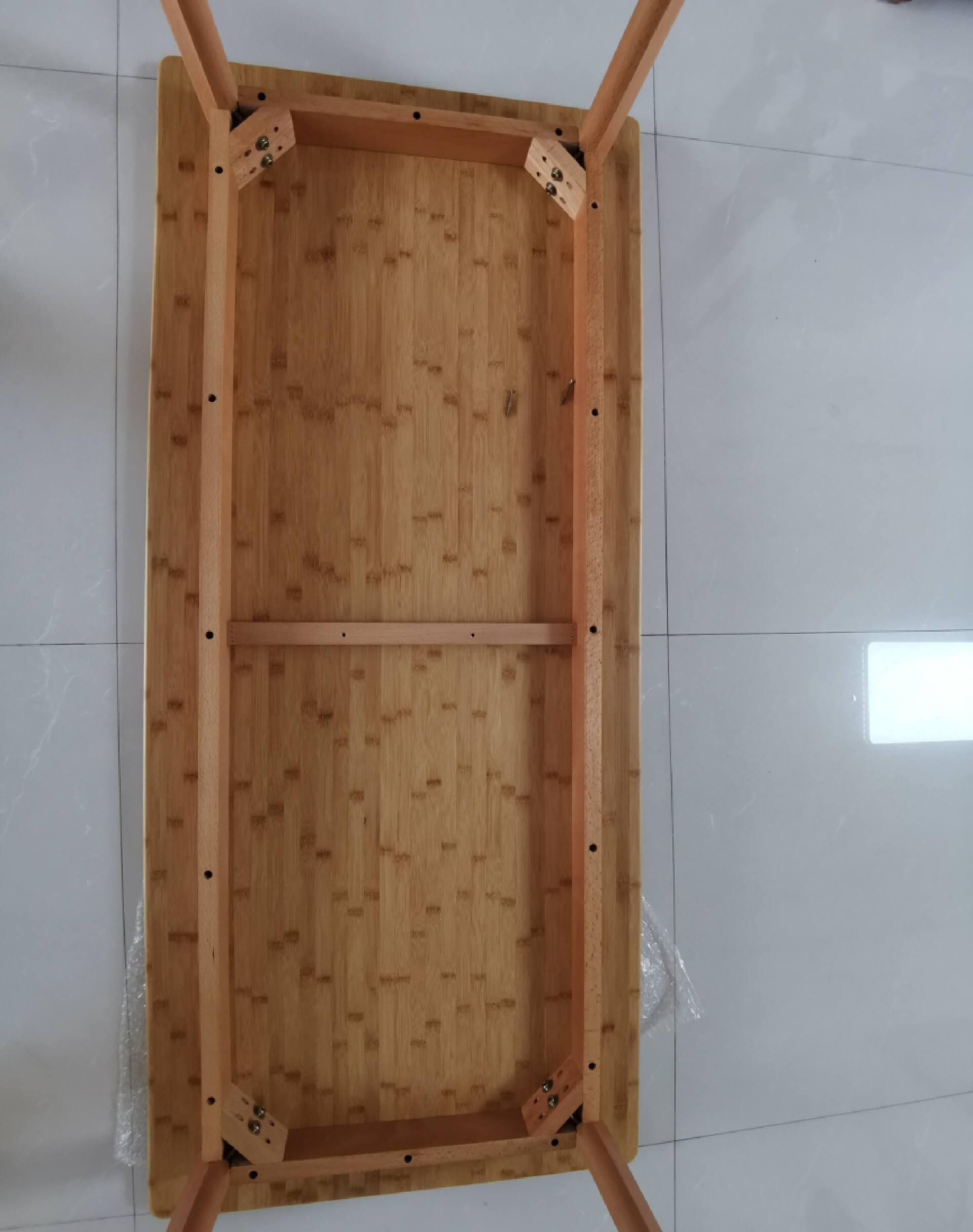
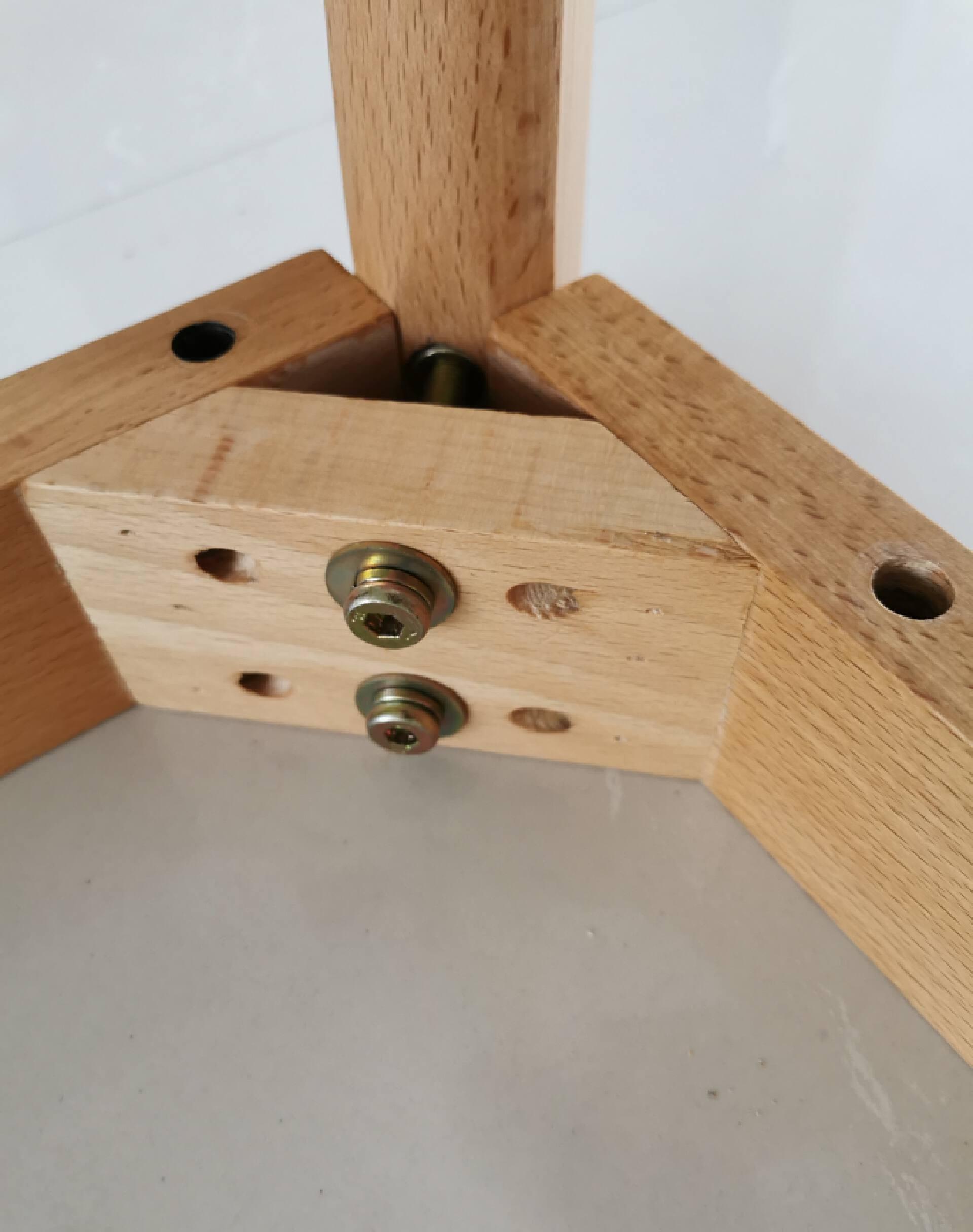
5. Inspect packing from the inside out
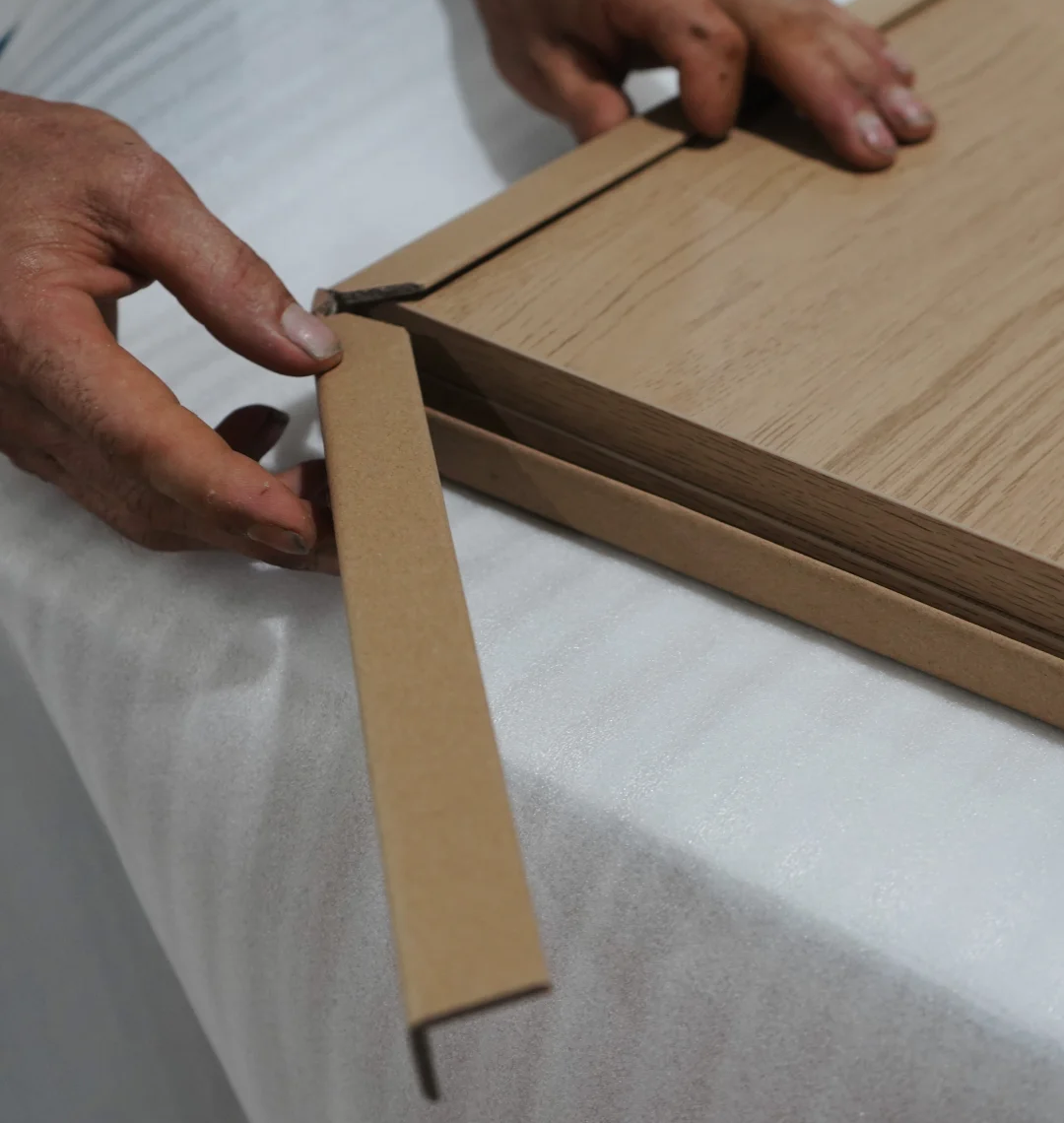
Check that the packing plan corresponds to the furniture being shipped. Review surface separation, cushioning, vulnerable edges, detached-part protection, internal restraint and the outer package. A crate or other reinforcement alone does not establish suitability for transport; review the actual arrangement and relevant requirements.
Keep appropriate records before packing, during packing and after closure. Carton IDs, product IDs, quantities and accessory locations should match the packing list. Provide final packed dimensions and gross weights to the logistics provider. Closed-carton photos cannot retrospectively verify internal protection that was never inspected.
Hand over unpacking information, required people and tools, and arrangements for packaging removal. Assembled furniture may still need a crate removed, carrying or site adjustments. For wood packaging or other applicable requirements, have the supplier and logistics provider review the actual material and destination.
| Packing topic | Corresponding record |
|---|---|
| Products and detached parts | Contents of each package, vulnerable areas, separation, restraint and accessory protection. |
| Packing sequence | Internal protection, loaded condition, before-and-after closure photos and whether cartons were already sealed at inspection. |
| Labels and packing list | Carton IDs, product IDs, quantities, destination allocations and necessary handling marks. |
| Package data | Final outer dimensions, gross weights and information needed by the logistics provider. |
| Destination unpacking | Who unpacks, carries and removes packaging, with the relevant instructions and arrangements. |


6. Give every issue an action and a review record
Use more detail than a defect or needs fixing. Assign an issue ID and link it to the product and carton. Describe the observation, relevant approved requirement and affected items. If the cause is uncertain, preserve the finding and open questions without deciding prematurely whether production, transport or use caused it.
When a remedy is proposed, confirm the parts involved, any specification changes, cost and timing before the appropriate party approves it. Record the follow-up check. A close-up of a repaired spot may not establish that dimensions, assembly or neighboring areas have also been reviewed.
| Issue-tracking field | What to enter |
|---|---|
| Location | Issue ID, product ID, part, quantity, carton and photo references. |
| Requirement and observation | Current approved requirement, actual condition, measurements and remaining uncertainty. |
| Action | Responsible party, proposed work, affected components, cost and timing. |
| Approval and review | Who approves, the review scope, date, result and outstanding matters. |
| Status | Awaiting clarification, awaiting action, awaiting review or closed, with supporting records. |
7. Summarize unresolved matters before dispatch
Use clear states at the end of inspection: checked and meeting the agreement, discrepancy found, not checked, or further information required. Blank fields, missing photos and the absence of an objection should not be treated as a pass.
Give the authorized decision-maker the issue list, correction reviews, final configuration and packing list. Agree which matters must be resolved before dispatch, what documents remain outstanding and whether the effect is limited to particular products or the whole order. Payment and dispatch arrangements should each be checked against the order terms.
If parts are replaced, furniture is reassembled or packing changes after inspection, update the affected records. Destination receiving, counting and installation checks are still needed. The pre-shipment record provides a reference for those later stages; it cannot guarantee that nothing changes during them.
Frequently asked questions
Can photos or video count as a completed inspection?
That depends on the agreed scope and work actually performed. Images help document appearance and operation, but do not automatically cover every unit, hidden materials or specialist performance. State what was shown, what was checked and what remains open.
Does a sampled pass mean every piece passed?
Report the sampling arrangement, quantities checked, findings and uncovered areas. A sampled inspection and a full check have different coverage.
What still needs checking after sample approval?
Compare the batch with the approved configurations, including quantities, dimensions, material records, appearance, accessories and packing. One approved sample does not establish that every production unit was checked.
Does a wooden crate remove the need to inspect packing?
Review internal protection, restraint, separation, packing-list correspondence and destination unpacking. Confirm the packing arrangement and applicable requirements for the product, route and destination.
Can goods ship once the supplier says the issues are fixed?
Check the remedy and review results, then confirm dispatch under the agreed arrangements. Keep uninspected, undocumented and unresolved matters visible.