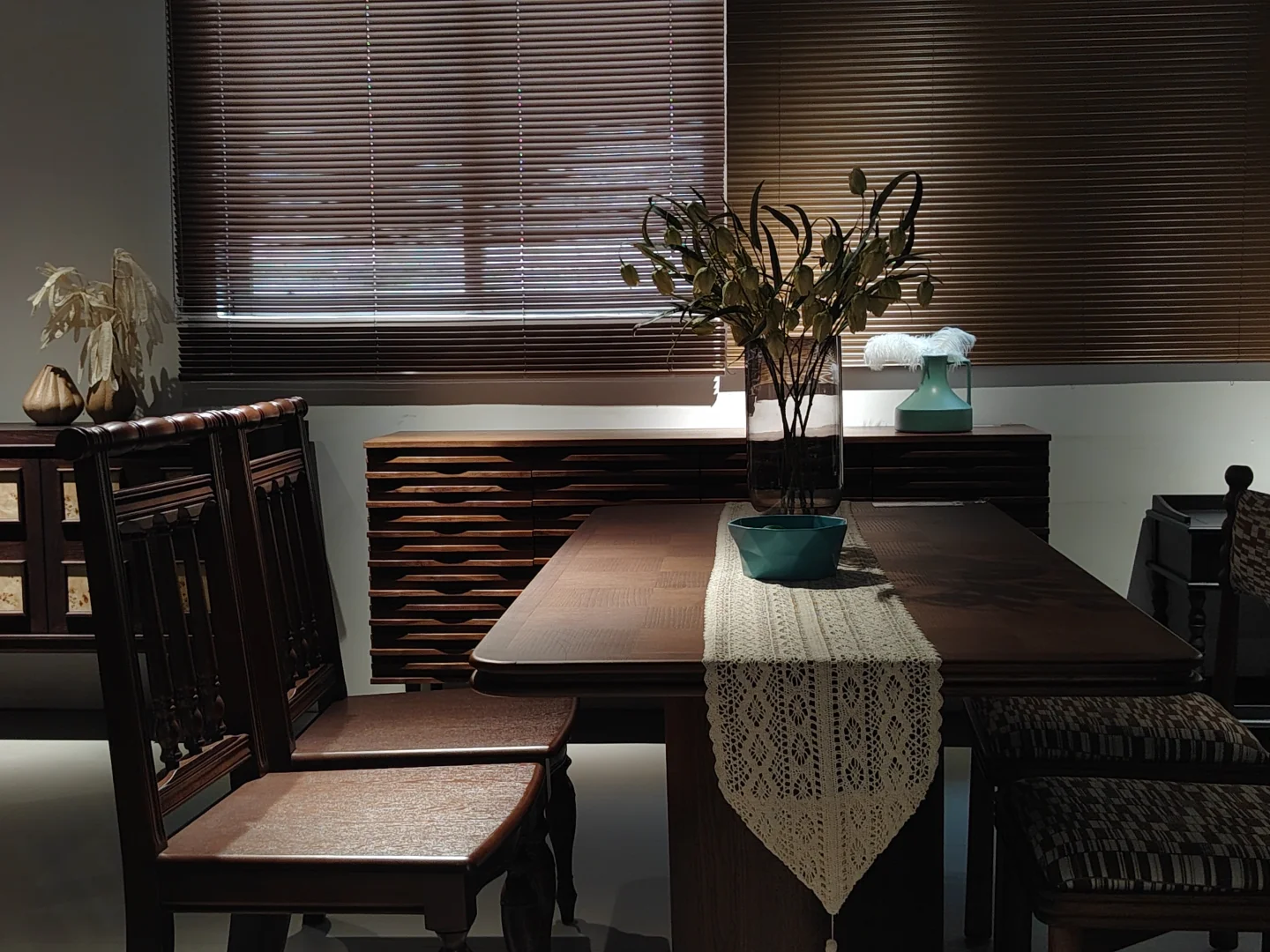
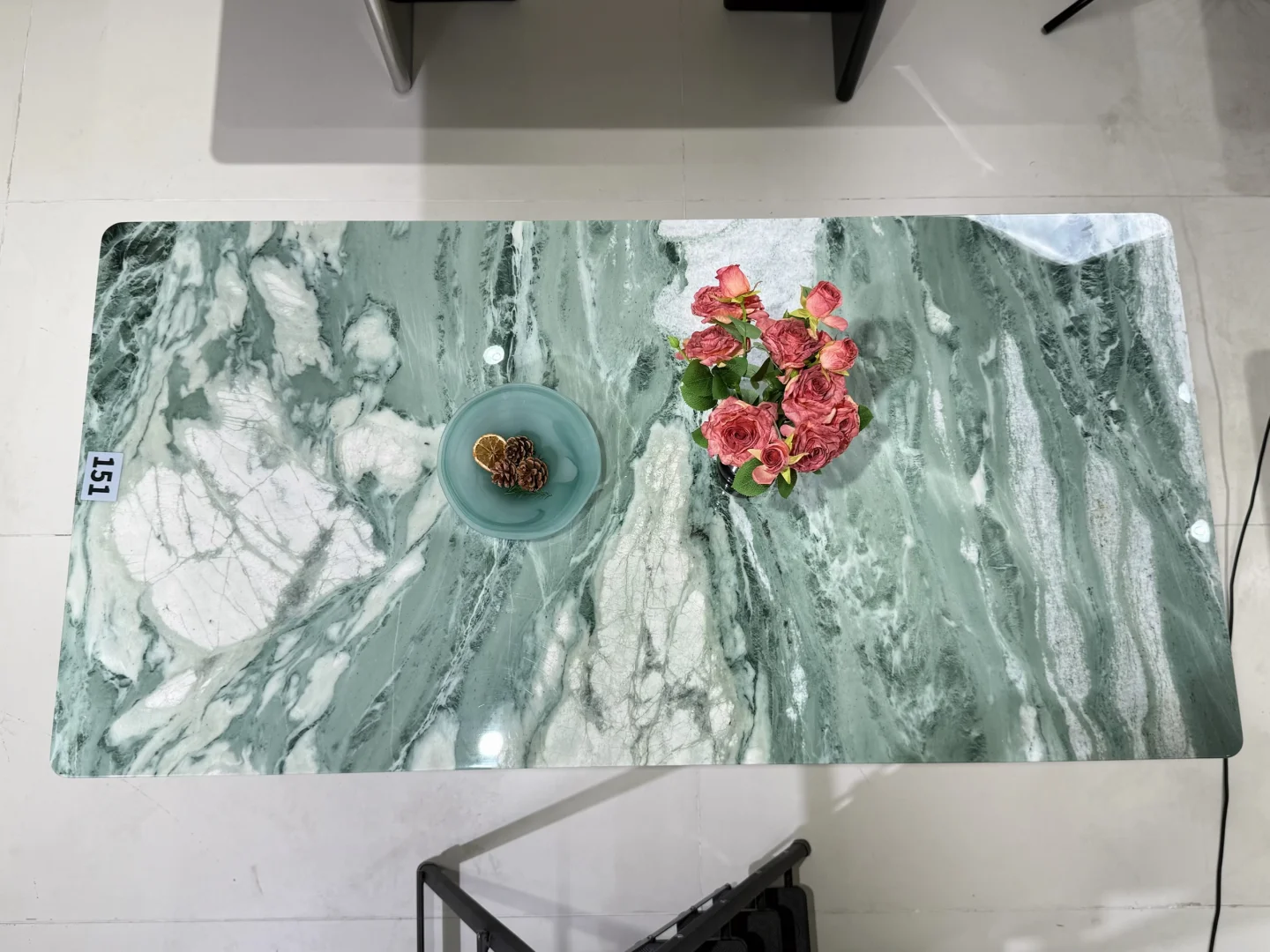
How to Cut a Furniture Budget Without Losing the Design
A client reduces the furniture budget after you’ve put the room together. As the interior designer, you know which pieces make the room work and which can change. At Arcaya, we help revise the schedule and compare the actual savings, the visible changes, and what the site can still receive on time.

Put the old and new budgets on the same basis
Confirm whether each includes delivery, installation, samples, and sourcing fees. Mark deposits, unpaid balances, nonrecoverable costs, and unquoted services. We’ll show what’s genuinely saved, what’s moved to a later purchase, and what the supplier will charge to cancel or change.
Protect the pieces that matter most
If the client chose the main sofa for its feel and warm gray fabric, keep those requirements. Check which pieces are essential to everyday use and which shape the overall room. You may have more freedom over a side table or the hardware inside a cabinet.
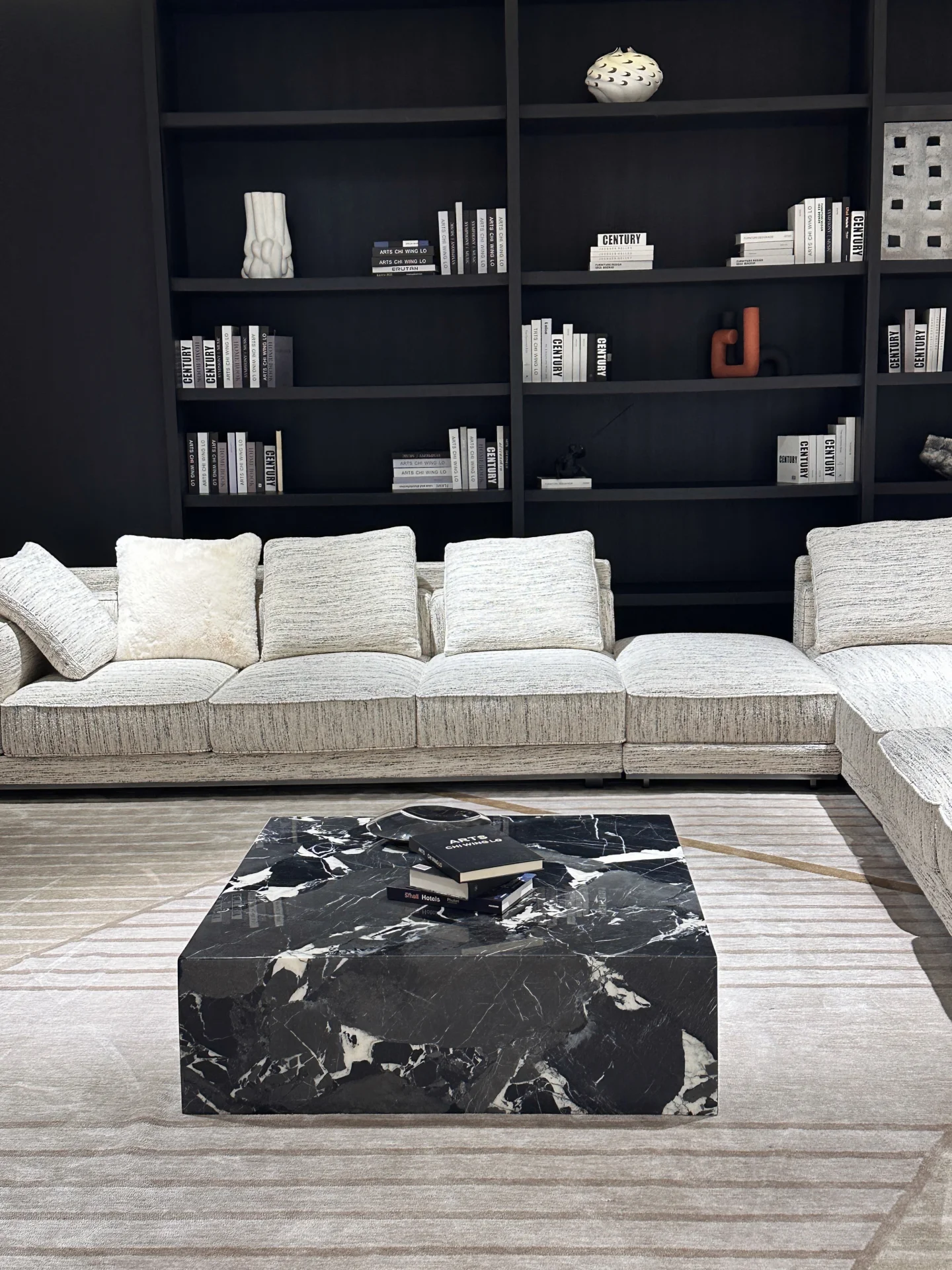
Mark each item to retain, replace, or defer
Check whether ordered pieces can still change and what that would cost. For replacements, identify the allowed dimensions, finishes, and functions. For items you defer, record when they’re needed and whether a finish or batch will have to match furniture already on site.
Protect the next cash decision before changing the design
Pull the amount already spent, the balance on confirmed orders, and the remaining budget for uncommitted pieces into view. Ask each relevant supplier which balance can still be avoided, what can be carried forward as a credit, and when the option expires. A design that appears to save money may simply defer a purchase or give up a deposit.
Show those outcomes separately. If some money has to be reserved for delivery or install, take it out of the usable furniture allowance at the same time. Then give movable items a price ceiling that includes the costs they will trigger. We’ll use the supplier replies to distinguish real savings from estimates and help you see whether you’re trying to reduce the whole project cost or just manage the amount due this month.
Take cost out where it will have less impact
If the client cares about the cabinet proportions, ask whether you can simplify the fittings inside while keeping the front. If a coffee table only needs the right length and light finish, compare a standard option with the custom edge detail before giving it up.
Check the actual stock version of any replacement
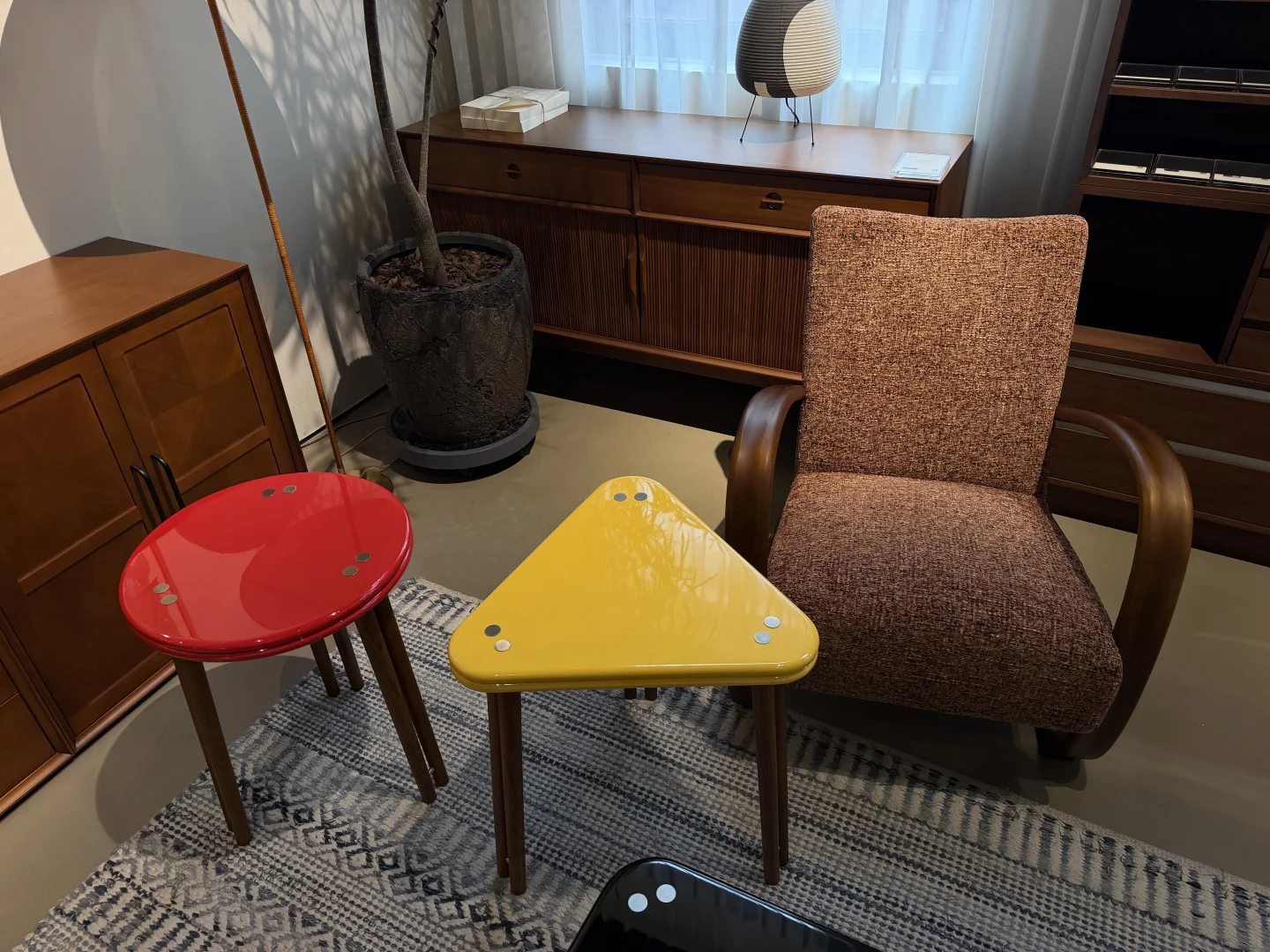
A standard side table can work next to the reading chair whose back support and arms the client likes. Put the new table back on the plan and check reach and circulation. We’ll confirm the actual available color, price, largest package, and warehouse date before putting it into the budget.
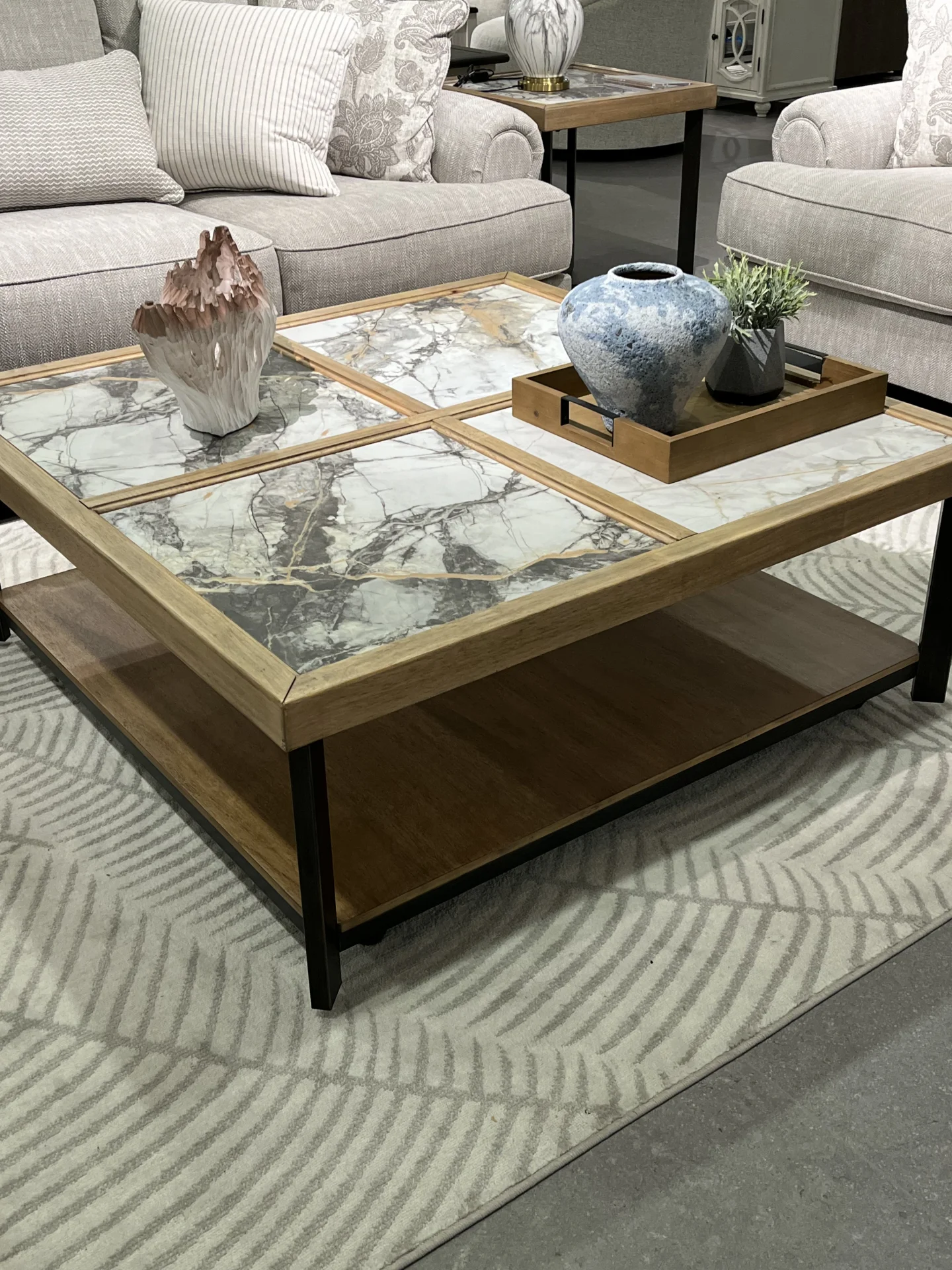
Choose a substitution by where its effect will be seen
Take a room with an approved sofa and a custom coffee table. If you keep the sofa and change the table, think about what the existing table contributes. A thin edge can make the room feel more open, while a particular wood tone may connect it to the floor.
A standard piece could still do the job if its proportions stay light and the new finish works with the sofa. Put both options on the same elevation and in the same plan. Ask the client to react to the visible tradeoff before talking about any detail that won’t affect the space. Where you can simplify an internal cabinet fitting instead, verify what the client will store there so the saving doesn’t take away something they’ll use every day.
Calculate the amount you can really save
Start with the unpaid amount you can avoid. Subtract the new delivered cost and any new sample, cancellation, or related costs. If the old table has a cancellable RMB 8,000 balance and the new one costs RMB 5,200 delivered, with RMB 300 for samples and RMB 500 to cancel, the change frees RMB 2,000. Keep any lost deposit in project costs. If the new table also means replacing a chair, include that too.
Put the design impact alongside the saving
One row can show the old option, replacement, cost, change in appearance or use, and delivery date. A cheaper coffee table may improve the path through the room while losing the curved slim edge. Explain both before asking the client to agree to the swap.
Put the revised pieces back in the room
Show the revised options in the original scene or plan. If you buy just one side table now, consider where a lamp or drink goes on the other side. Put changed wood samples next to the approved sofa fabric and flooring. The client can see what works on day one and what would be added later.
Check what can be postponed without creating a second problem
If you keep one of two side tables on the first order, identify where it goes and whether the other side still works for light, charging, or a drink. Save the finish and orderable version for the second piece. Ask the supplier whether future stock will use the same finish code and whether a separate order would carry another delivery or minimum charge.
If deferring the table makes the room awkward, compare buying two less expensive pieces together or choosing a single table that serves both seats. Show which items are in the initial installation and which are a later option. The project can then approve a room that works at its first handover and see what remains in the next budget, including the cost of making the second visit.
Present two options the client can approve
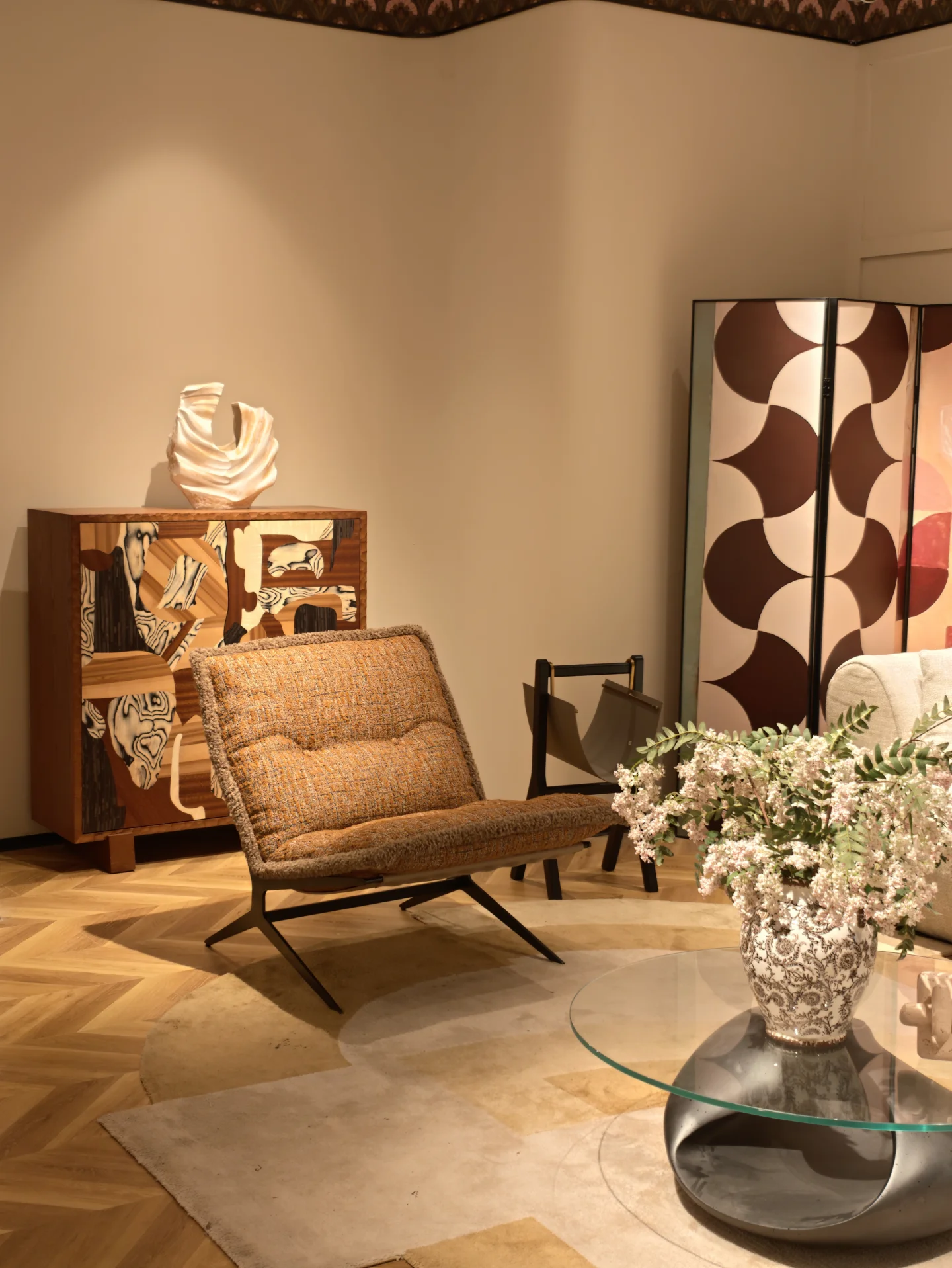
Option A keeps the sofa, switches the coffee table to a standard finish in the right color family, and defers one side table. Option B keeps the pair and simplifies the coffee table and cabinet fittings. We’ll calculate both to the same delivery point so you can compare the savings and design changes in one conversation.
Confirm the individual changes and dates
Approve the items you’re ready to change. We’ll update the purchase and delivery schedule, keep pending samples visible, and note revised quote deadlines. When you return for a deferred item, we’ll use the original dimensions, sample IDs, and fabric code to check it again.