Why Two Furniture Factories Can Quote Very Different Prices for the Same Brief
Two Chinese factories have priced the same brief and the figures are far apart. If you’re the interior designer, you’ll need to explain what your client is buying at either price. At Arcaya, we make sure factories are working from the same revision and delivery scope, then trace the remaining differences to materials, construction, and service.
Send both factories the same request for quotation
Use one current drawing, quantity, configuration, and list of approved samples. Ask both factories to identify where they’ve priced something different. If the design changes, issue the same revision to both and ask each to update its quote.
Make sure both are pricing the same pieces
An ottoman may be included with one sectional and omitted from the other. On a cabinet elevation, circle the top, door panels, drawers, exposed sides, back, and filler. Ask each factory to mark what it includes and give component counts, including handles and other hardware.
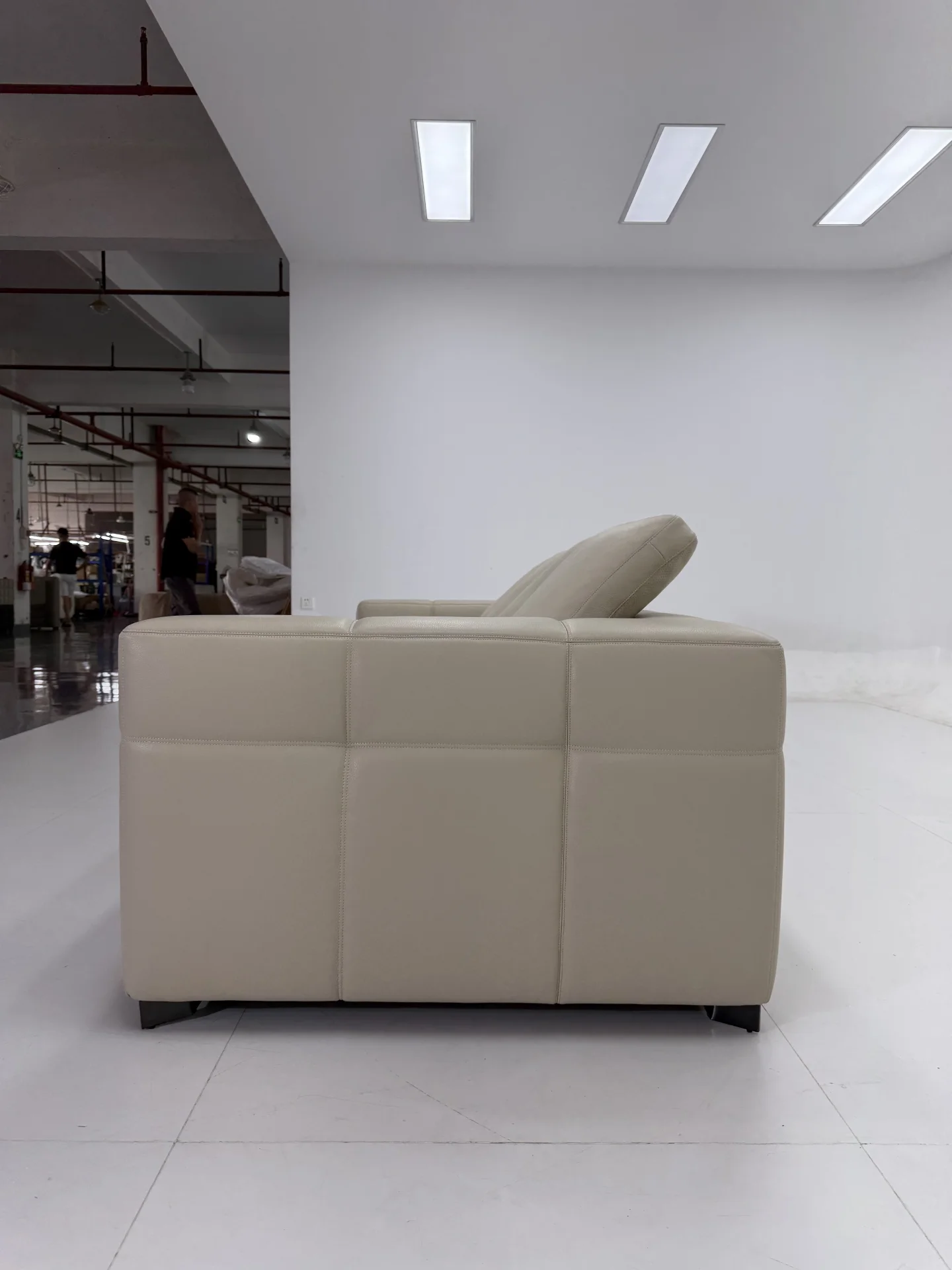
Look for differences you can’t see in the photos
Get written specifications for support, frame, panels, and hardware. On a sofa, ask for seat and back fill, upholstery on the front and sides, number of powered seats, and connectors. Link each drawing, sample, or photo to the option quoted. If one factory hasn’t answered a specification question, we’ll leave it open.
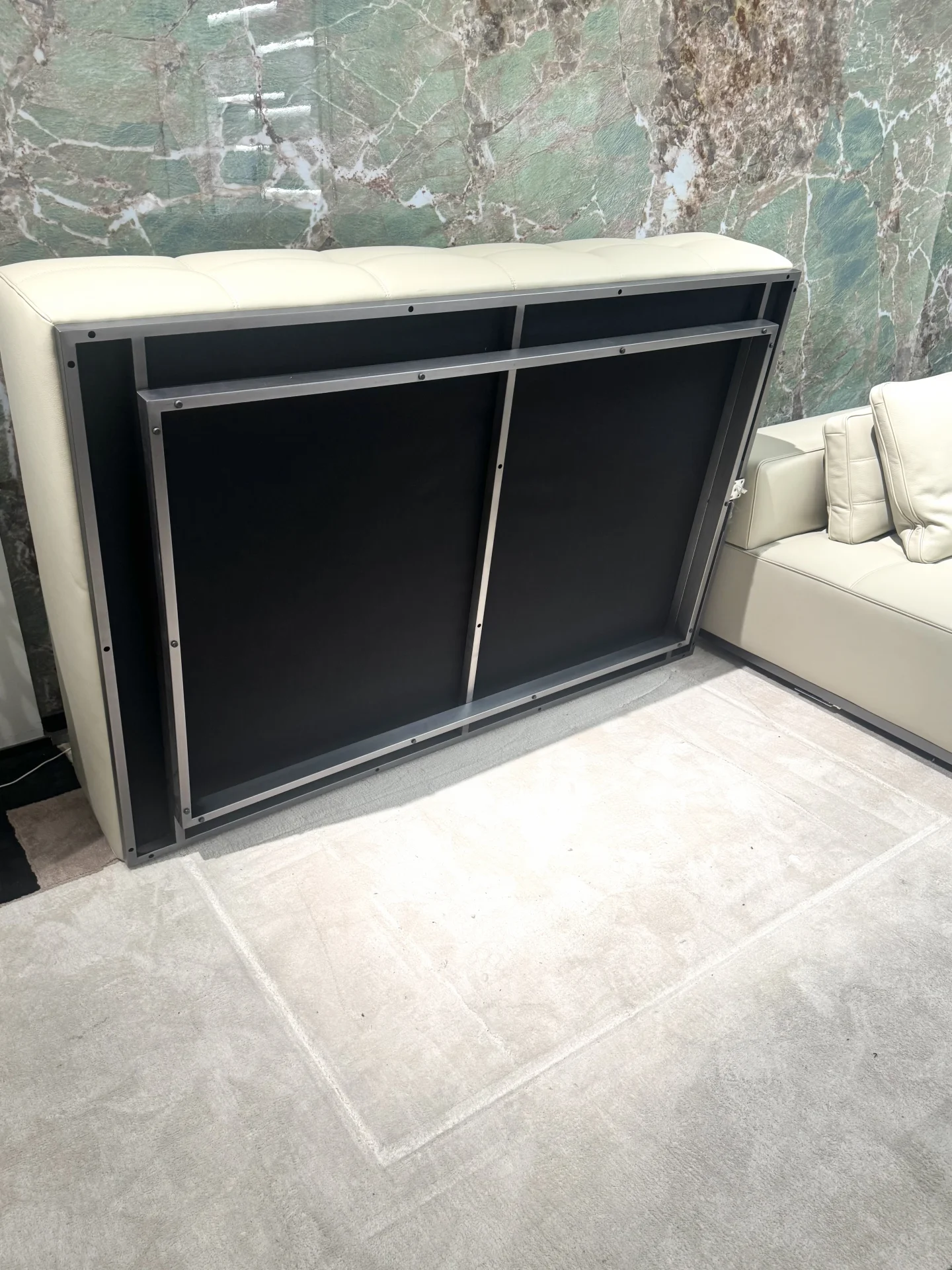
Convert each quote into a list of buildable parts
For a cabinet, use a marked elevation and assign a line to each exposed side, door, shelf, drawer, and site filler. Ask both factories to confirm the count, material, and factory or site responsibility. For example, Factory A might include finished end panels on both sides, while Factory B assumes one end is concealed.
If the cabinet sits in the project with both ends visible, request the second end from B before interpreting the difference. Make the same check for power supplies on lighting and extra hardware for moving parts. The method works for upholstery too. Ask for a breakdown that lists each seat, arm, back, leg, and connector in the quoted sectional. Keep photos or detail drawings with the lines that depend on a specific construction method.
Specify where each visible material is used
Ask whether the leather covers contact areas only or extends around the piece. Identify where solid wood, veneer, and edge banding are used. Request the relevant sample codes and check the actual samples before treating matching color descriptions as equivalent.
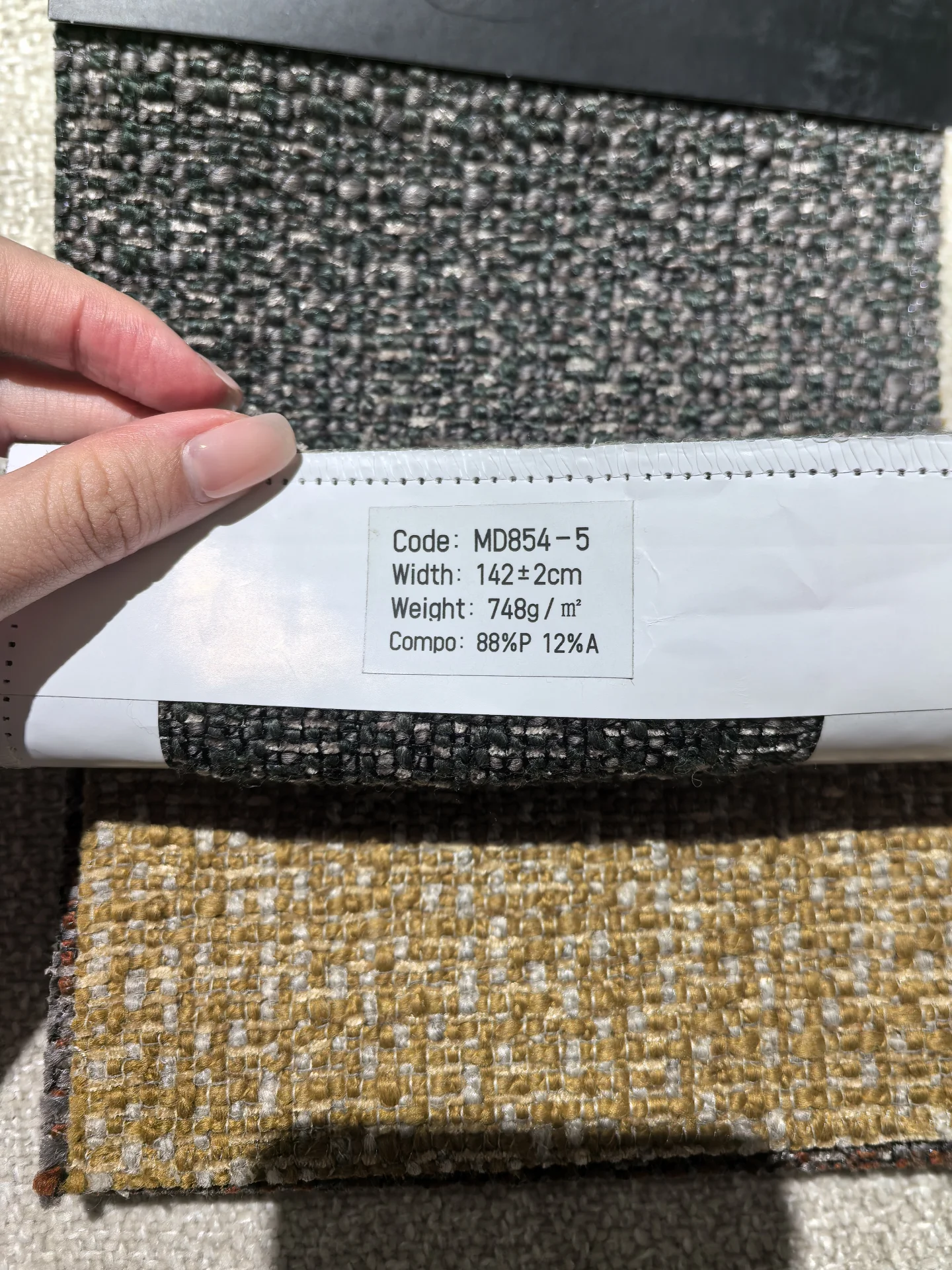
Verify the price at the quantity you are buying
A unit price for six chairs might assume a larger minimum order or one fabric for the whole run. Ask for the actual quantity and finish split. Request separate rates for samples and production and confirm which quantities the lead time assumes.
Compare samples, inspection, and replacement support
Ask how many sample rounds are included, whether fees may be credited, where the furniture can be inspected, and who supplies missing parts. If A offers inspection of an assembled item and B delivers its parts to a warehouse, price any assembly needed to inspect B on the same basis.
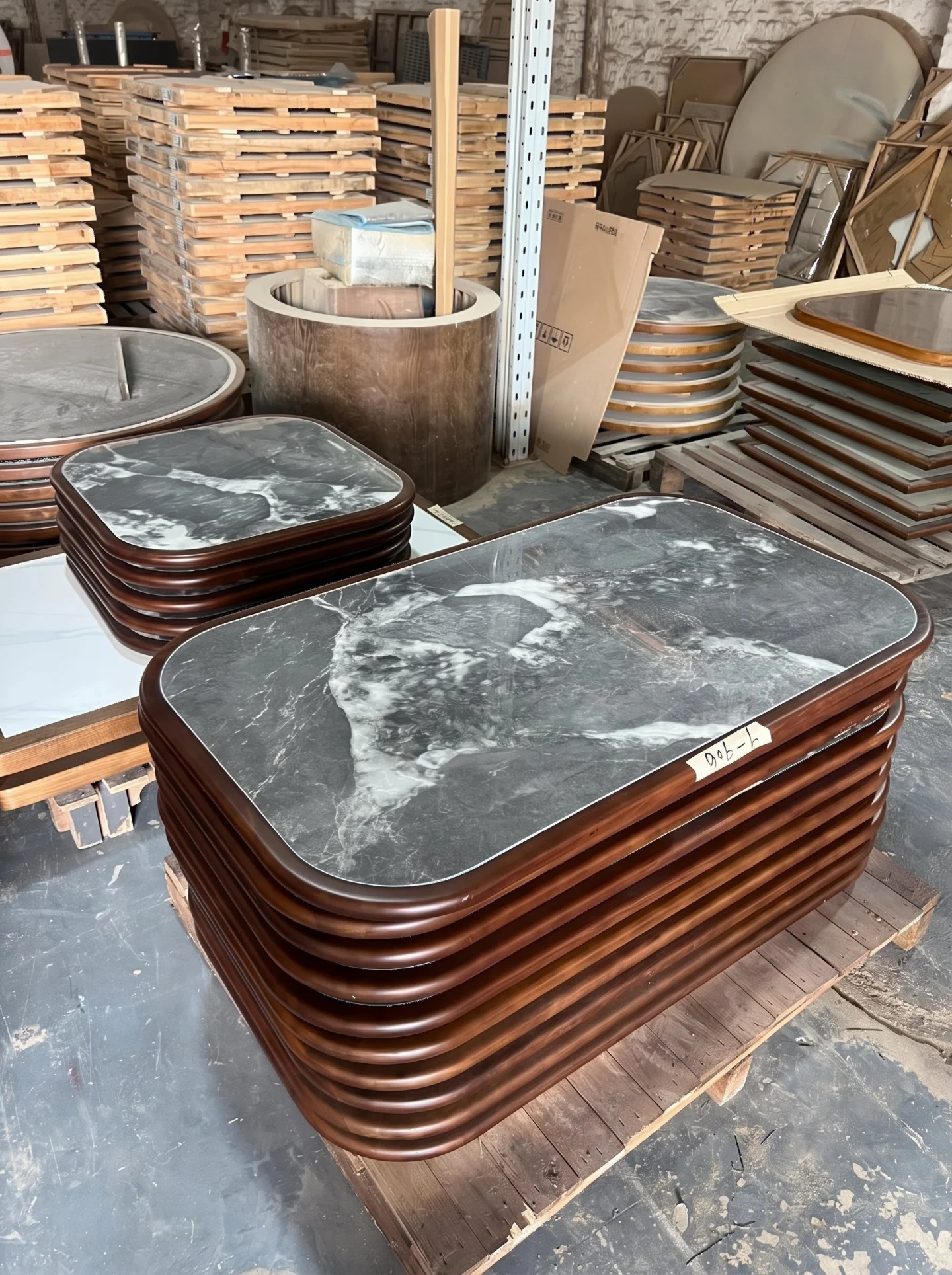
Give the lower-price option a fair test
A supplier might offer a cheaper configuration that meets the studio’s requirements with a different build. Ask what the factory would change and what it can keep. For an upholstered piece, try the intended cushion and check the way a removable cover is handled.
For a cabinet, verify the drawer and hinge details in a working sample. A different finish on the back may be fine against a wall and wrong for the same piece in the middle of a room. Mark where the difference would be visible and which technical requirements still need to be confirmed by the project team. The next conversation can focus on a specific decision, such as approving a simpler back finish or comparing two seat constructions. Ask for a price tied to whichever version you approve.
Compare packing and pricing at the same location
If A delivers to the warehouse and B offers factory collection, get a collection and warehouse price for B with equivalent protection. Check carton count and whether reinforcement or crating is included. Treat the delivery difference separately from the factory’s unit price.
Ask both factories for written schedule conditions
Find out what starts production, when the piece is ready for inspection, and when it can reach the warehouse. Mark an unverified material or tentative production slot for follow-up. A firm-looking end date is only as useful as the conditions behind it.
Separate omissions from provisional pricing
If A includes three specified drawer runners and an exposed side panel, ask B to add the same scope. A missing price stays open. A provisional material or detail stays on its own line until the factory confirms it. Keep the first quote and the date each addition was confirmed.
Show the gap in stages before presenting the final prices
Start with the two original unit prices. Then show charges that close clear differences in the scope, such as added drawer runners, a material upgrade, or delivery to the same warehouse. Keep provisional costs at the bottom with the owner and date for confirmation. If the adjusted total is still different, point to the remaining changes the client can see or use, along with any difference in sampling, inspection, or replacement support.
A cost comparison can also show when a low unit price no longer applies at the project quantity. If one supplier needs a six-piece minimum and the studio only needs four, put the amount the project would pay on the schedule. This keeps the comparison useful even when only one supplier can satisfy a particular finish or available delivery date. If the two suppliers use different currencies, record the original prices and agree which conversion assumption to use for the comparison. Show any effect of exchange-rate changes on its own line.
Explain the price difference that’s left
Suppose A quotes RMB 1,250 per chair and B quotes RMB 1,050. B adds RMB 90 for the specified fabric and RMB 60 per chair for warehouse delivery. With those additions, B is RMB 1,200. The remaining difference is RMB 50 per chair. We can then check the frame and upholstery coverage and show what, if anything, the client would trade for that difference.