What to Source in China and What to Buy Locally for the Same Project
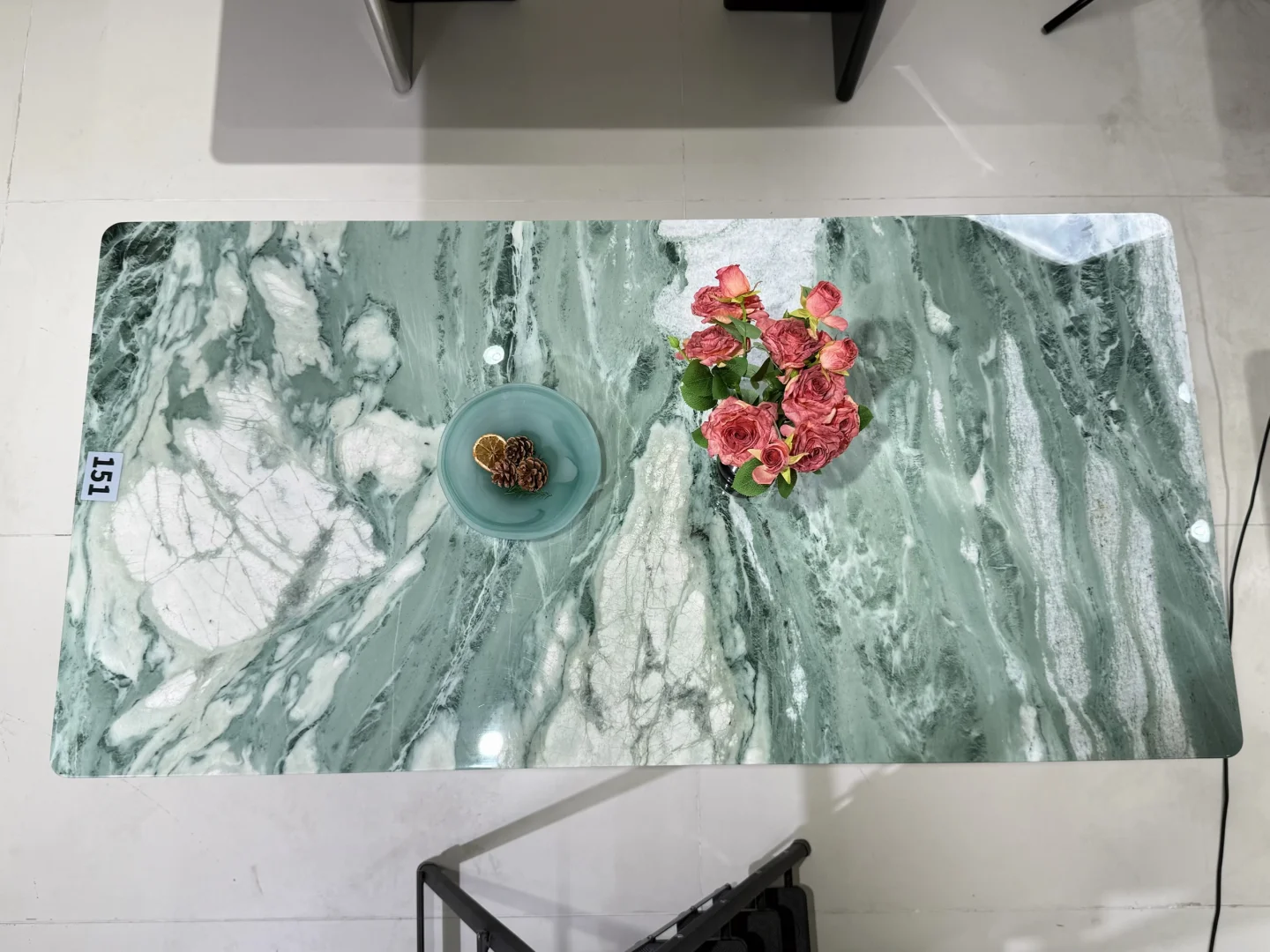
A dining table with a specific edge detail may be worth commissioning in China. Two lounge chairs needed for installation next month may make more sense from a local supplier. At Arcaya, we help interior designers compare the two routes piece by piece, using the specifications, cost in the room, and date each item will be ready to use.

Give both suppliers the same brief
Send the item ID, quantity, dimensions, function, and approved finish references. Say what can change. We’ll note where both suppliers can meet the specification and where one offers a similar look with a different detail.
Pick one delivery endpoint for both prices
For example, deliver to the third-floor living room, unpack, assemble, and remove packaging. If a local shop delivers to the curb, add the rest of the service before you compare it with the China route. Tell us about freight elevator bookings and receiving hours so both teams can confirm they can work within them.
Price every leg of the China route
Include the furniture, factory packing, warehouse delivery, international freight, and final-mile services. Ask the relevant provider to confirm clearance and related charges for this shipment. Keep open amounts visible and have the forwarder calculate charges on actual packed dimensions for oversized pieces.
Verify the local stock as closely as the factory stock
Ask where the units are, how many can be reserved, which finishes they come in, and when delivery can be booked. If two chairs come from different stores, check their finish details and ask for a same-light photo or batch evidence if a close match matters. Confirm who handles returns and what carry-in and assembly involve.

Compare complete orders as well as individual pieces
A shared charge doesn’t disappear just because one item switches to local supply. Ask the forwarder to price the proposed set with and without the item using the actual pack list. Keep destination handling and the last delivery on the same basis.
If you allocate the consolidated cost to each piece for the studio’s budget, identify the method you used and show the real change in the shipment total beside it. For example, removing lounge chairs may free volume without changing a minimum charge, while removing the longest crate could change how the whole shipment is handled. Ask local suppliers to price the exact number of items and receiving conditions as well. A small price difference may make sense for a faster install, but it helps to know what the mixed route costs the project as a whole.
Show the client the actual design differences
Maybe the China option has the specified slim edge and wood tone, and the local table has a different base. Put both on the same plan and show the relevant samples. You can explain exactly what the client would trade for a faster date or a lower price.

Compare with the installation date in view
Work backward through receipt, final delivery, transit, warehouse handling, inspection, fabrication, and sample approval. Local furniture still needs a delivery slot. Compare dates for installation or use, with port arrival and local warehouse receipt shown separately.
Use a sample and fit check to decide what travels
You may be able to produce a dining table with the approved edge in China and find chairs locally that keep the scheme on track. Before splitting the order, send the local supplier the table’s clearances, and ask the factory for a measured underside drawing of the version it will make. Put the chairs and table on one plan, then check their finishes together.
If your chair arrives first, keep the actual swatch and the measured arm height available while the table is being checked. If the locally available chair changes the silhouette in a way the client notices, show that difference and the date advantage together. Check any size that affects the installation route for both orders. You can then make a mixed procurement decision based on a coherent room and a realistic delivery plan.
Ask both suppliers how they’d handle a damaged item
Suppose a chair leg arrives damaged. Who records it on delivery? Who supplies a replacement, where does it go, and who comes back to fit it? Ask about the availability of matching parts and whether you’d need to exchange the whole piece. For a restaurant opening or a site with limited access, the answers can be decisive.
Reprice the consolidated shipment when the mix changes
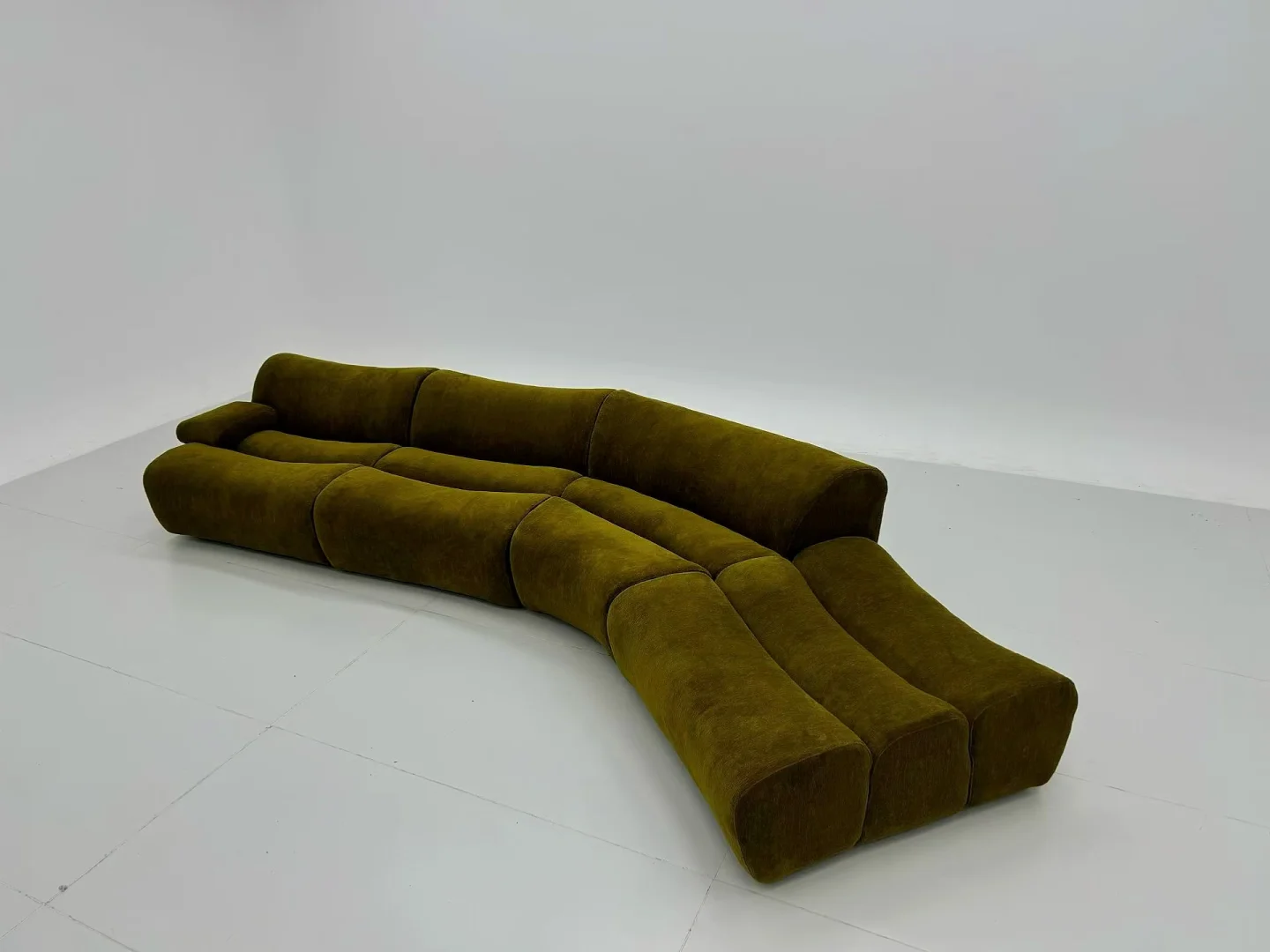
Removing two chairs may leave the same minimum shipment charge. A long table may still attract an oversized handling charge after the sofa is removed. Ask the forwarder to reprice the new carton list and include any separate local delivery. Compare both totals and installation dates together.

Give the receiving team a plan for two supply routes
Write down what the first crew will place, what the next crew needs in the room, and who will receive and check the cartons from each supplier. If a carpet arrives first, decide whether it can stay protected until the dining table is assembled. If the local chairs arrive early, verify where they can be checked and stored without getting in the way of the assembly.
Provide item IDs and quantities so the site team knows which pieces can be released and who handles an issue. Ask both suppliers to confirm the contact for missing parts and any additional visit. When we put those details on the schedule, you can decide to order locally for one date-sensitive piece without leaving the factory, forwarder, and installer to work from different versions of the site plan.
Compare a mixed living and dining scheme
If the table’s edge and finish are central to the scheme, keep the custom piece in China and start with the drawing and sample. For two locally available chairs, verify the upholstery, reservation, and upstairs delivery. Confirm the same target installation date with both suppliers.

Record the route for each item
We’ll give you a schedule with the route, cost through installation, latest usable date, service contact, and differences still to approve. Your studio can approve each route, and we can then coordinate the relevant factory, warehouse, and receiving team.