
Hotels & accommodation
Room types, repeat quantities, guest-room sets and phased opening. Confirm bed sizes, storage, bedside access and the complete room schedule.

Bring furniture schedules, supplier quotations, sample approvals and delivery phases into one coordinated project.
Furniture for a commercial project has to fit the room, the operator and the delivery plan. Connect every selection to an item code, approved finish, quantity and decision-maker before the order scales.
Start with how the space will be used, not only how the furniture looks. Use the specialist brief for each part of the project.
Room types, repeat quantities, guest-room sets and phased opening. Confirm bed sizes, storage, bedside access and the complete room schedule.
Table and seat combinations, cleaning requirements and replacement parts. Test the intended pairing and review the actual layout before quantity approval.
Workstations, meeting spaces, cable needs and configuration. Separate furniture supply from electrical work and local installation.
Exposure, maintenance and seasonal storage. Specify the intended use and confirm the relevant finish, upholstery and care information with the supplier.
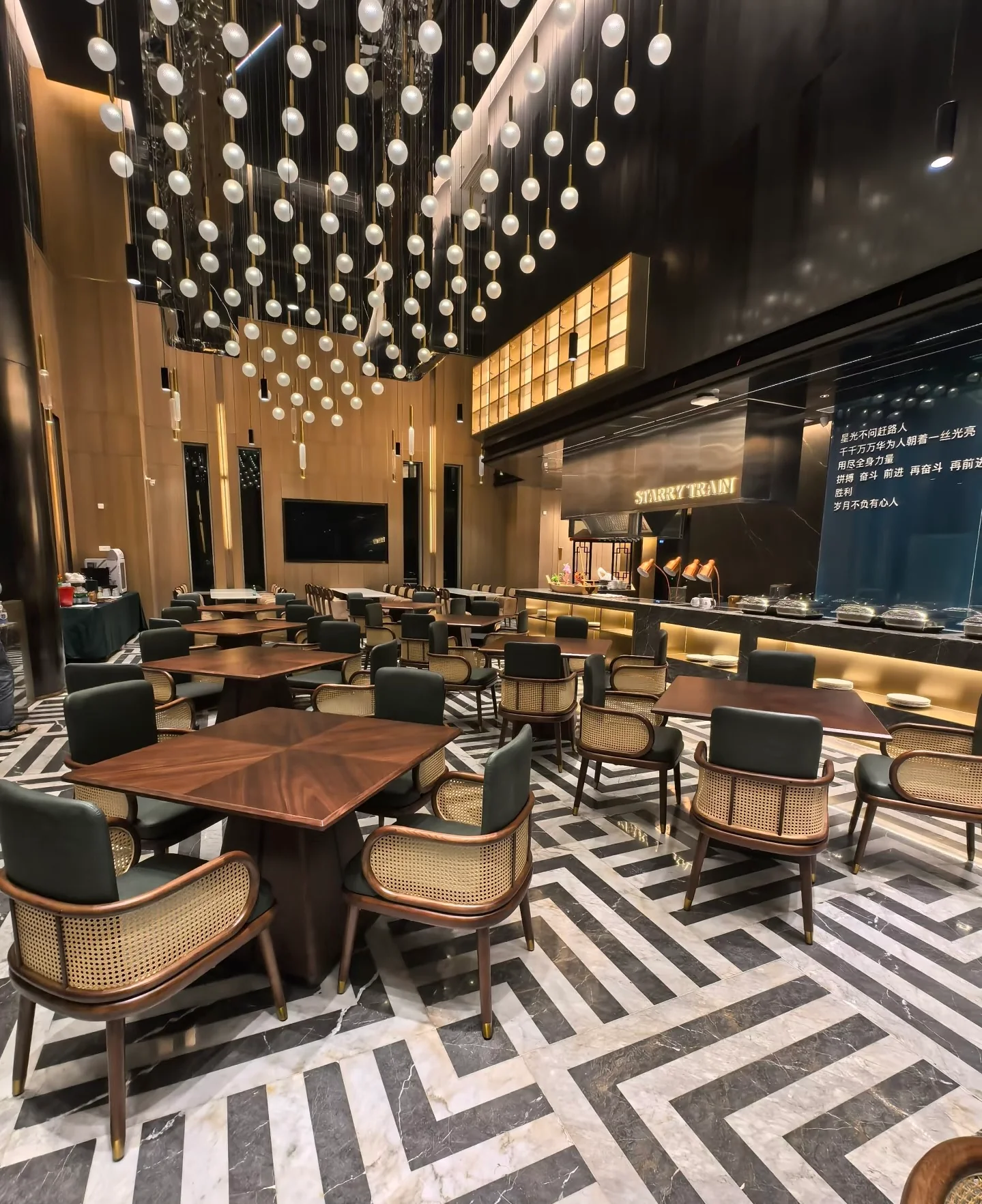
A rendering shows the direction. A written specification tells the supplier what to quote and the approver what to accept. Keep one current revision, with a named owner for every change.
Review proportions, configuration and maintenance across the complete room or area. These product photographs are selection references; they do not verify materials or commercial-use performance.
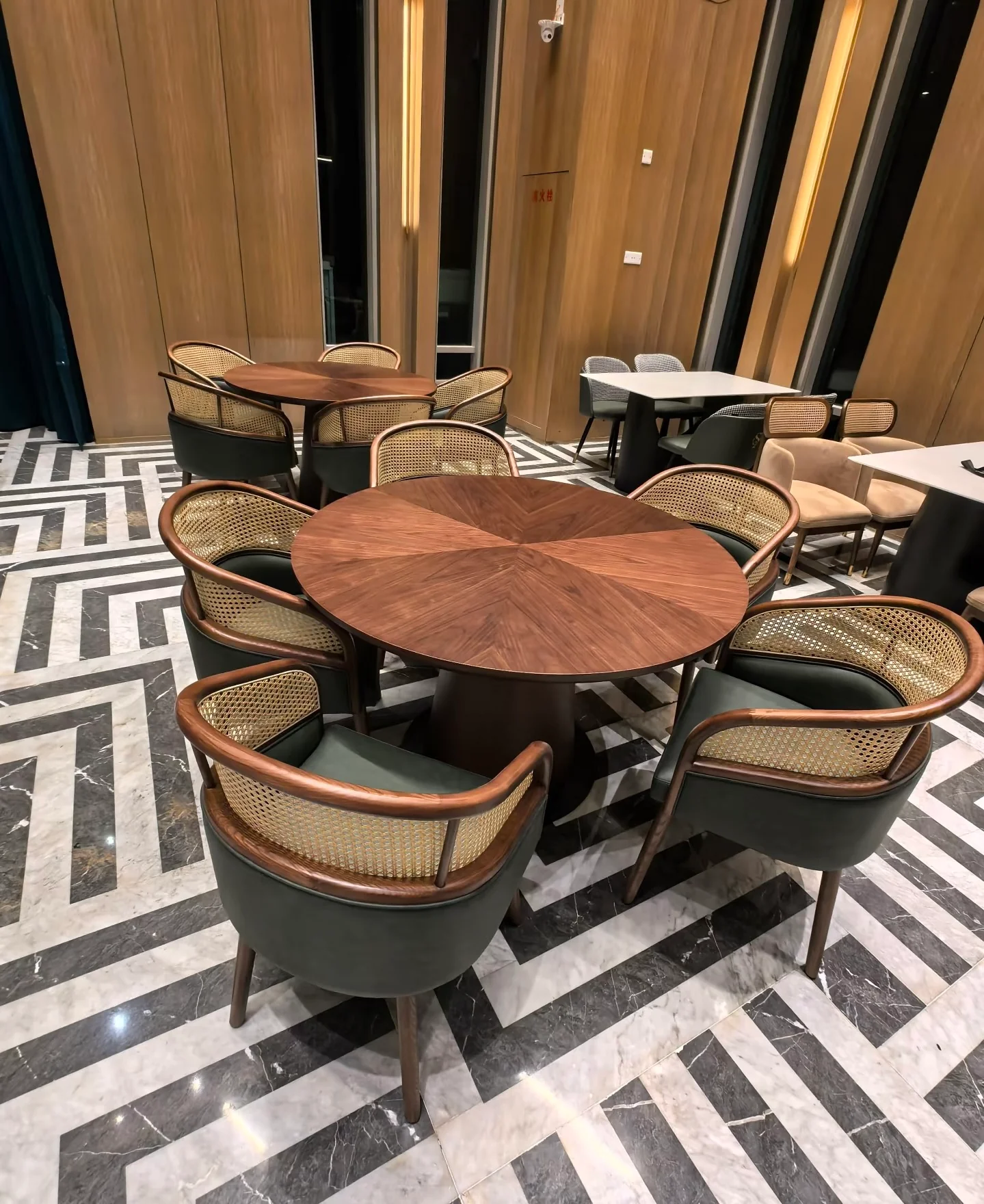

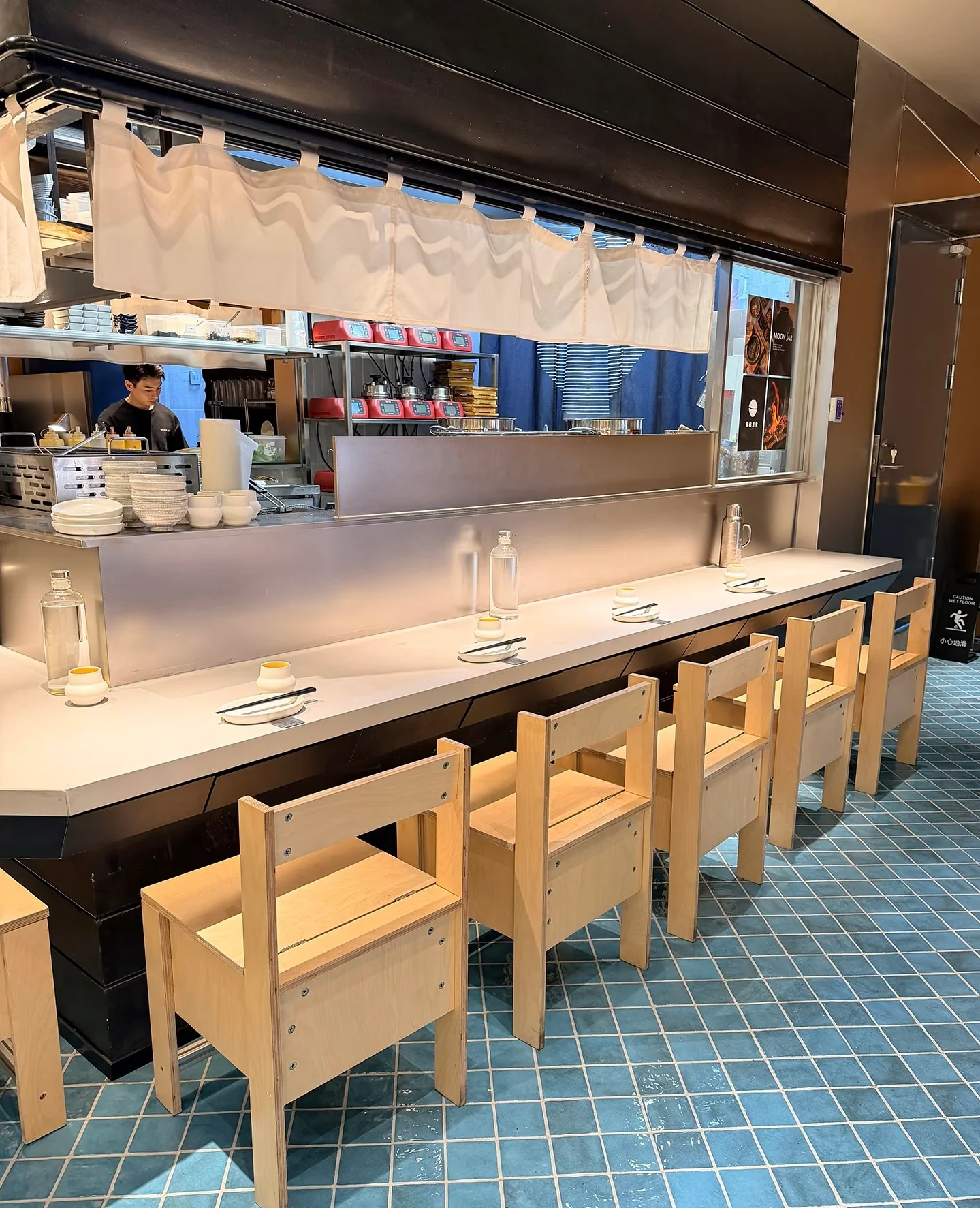
Decide which items need a physical sample, a prototype or a mock-up. A finish swatch cannot confirm a full chair's comfort or an assembled cabinet's operation.


Approve the named sample and revision. Identify who can authorize a change.
Agree milestones, check scope and the evidence needed for each item.
Keep unresolved issues visible. Confirm the agreed disposition before packing or dispatch.
Test reports and compliance documents must match the product, intended use and destination requirements. Generic supplier claims or reference photos are not product-specific proof.
Collect the furniture schedule, drawings and destination requirements.
Resolve materials, samples, dimensions and project-specific documentation.
Record approved quotations, lead times and production milestones.
Agree checks, packing identification, shipment phases and receiving responsibilities.
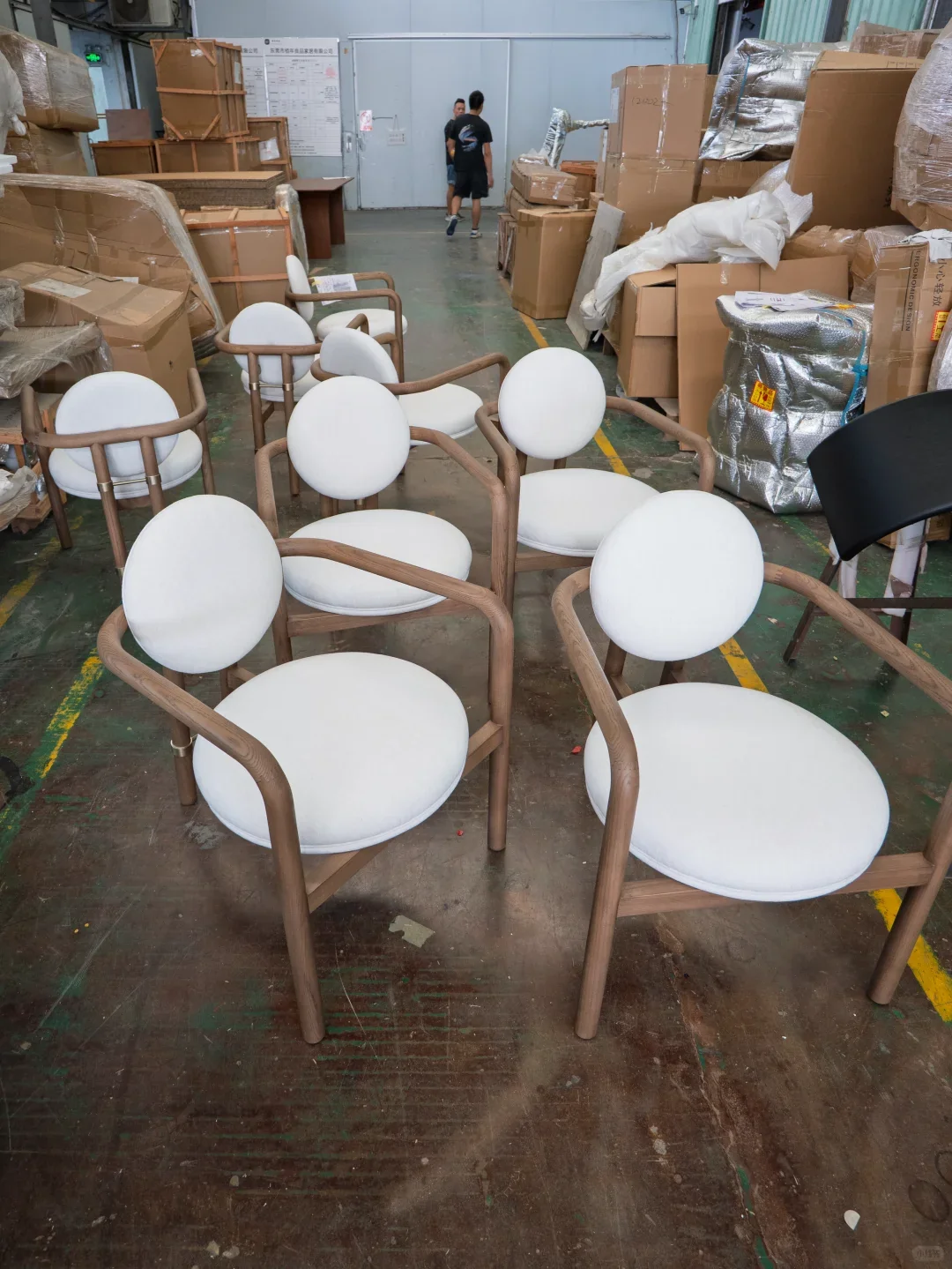

Ask each supplier to quote the same revision, quantities and required phase. Keep inclusions and assumptions beside the price, so a cheaper offer does not hide missing work.
Unit price by item, minimum order quantity, sample charge, prototype charge and how approved changes affect the price.
Manufacturing milestones, payment milestones, included check scope, issue resolution and repeat-order availability.
Packaging method, shipment grouping, delivery endpoint, freight scope and separately appointed import, receiving or installation work.
Commercial furniture approval needs more than a finished photograph. Set the check method, scope, evidence and release owner for each critical requirement, then keep that plan connected to the approved item revision.
| Acceptance topic | Specify in the order | Evidence and release decision |
|---|---|---|
| Critical dimensions and interfaces | Mark the dimensions that control fit; agree tolerances with the project team and supplier. | Measured results against the approved drawing, not an unscaled photograph. |
| Material and finish identity | Identify substrate, visible finish, upholstery code and any approved alternatives. | Coded samples and product records; no substitution without written approval. |
| Function and assembly | Define relevant door, drawer, joint or seating checks and assembly responsibility. | Agreed check record, hardware list and instructions for the actual item. |
| Performance documentation | Name required tests, exact product configuration and destination requirements. | Check report identity, test scope and issuing organisation; a component report does not automatically cover the whole product. |
| Inspection coverage | Agree batch identification, whether checks cover all items or a defined sample, and how issues are classified. | Report coverage, unchecked areas and a list of unresolved issues remain visible. |
| Corrections and shipment release | Set the repair/replacement process, recheck evidence and named release owner. | Dated issue closure or expressly accepted concession; record any cost or schedule change. |
The acceptance plan is a procurement control, not a promise of universal certification or zero defects. Product-specific technical requirements need review by the appropriate project specialist.
Suggested project records. Availability and level of detail depend on the agreed scope.
| Record | Purpose | Decision owner |
|---|---|---|
| Furniture schedule | One reference for quantities and specifications | Project approver |
| Sample register | Record finish and sample approvals | Design / project approver |
| Supplier milestone log | Track planned and reported progress | Appointed sourcing coordinator |
| Packing and handover list | Match items to locations and shipment phases | Agreed logistics and receiving parties |
Separate the required arrival date from production and shipment estimates. Confirm storage, unloading, installation and phased deliveries with the receiving team. Do not assume these are part of the furniture quotation.
A blank schedule for your product references, quantities and project requirements.
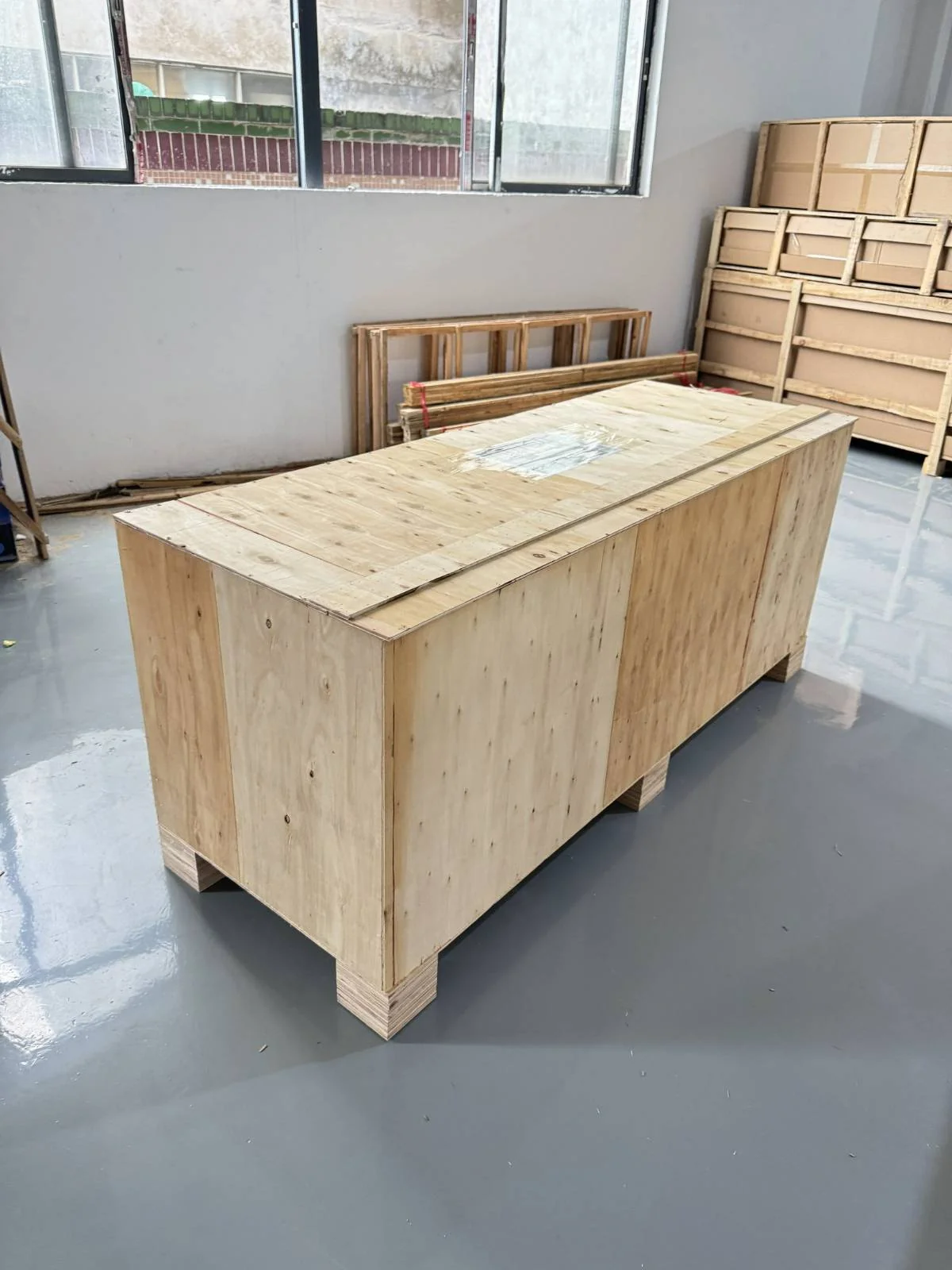
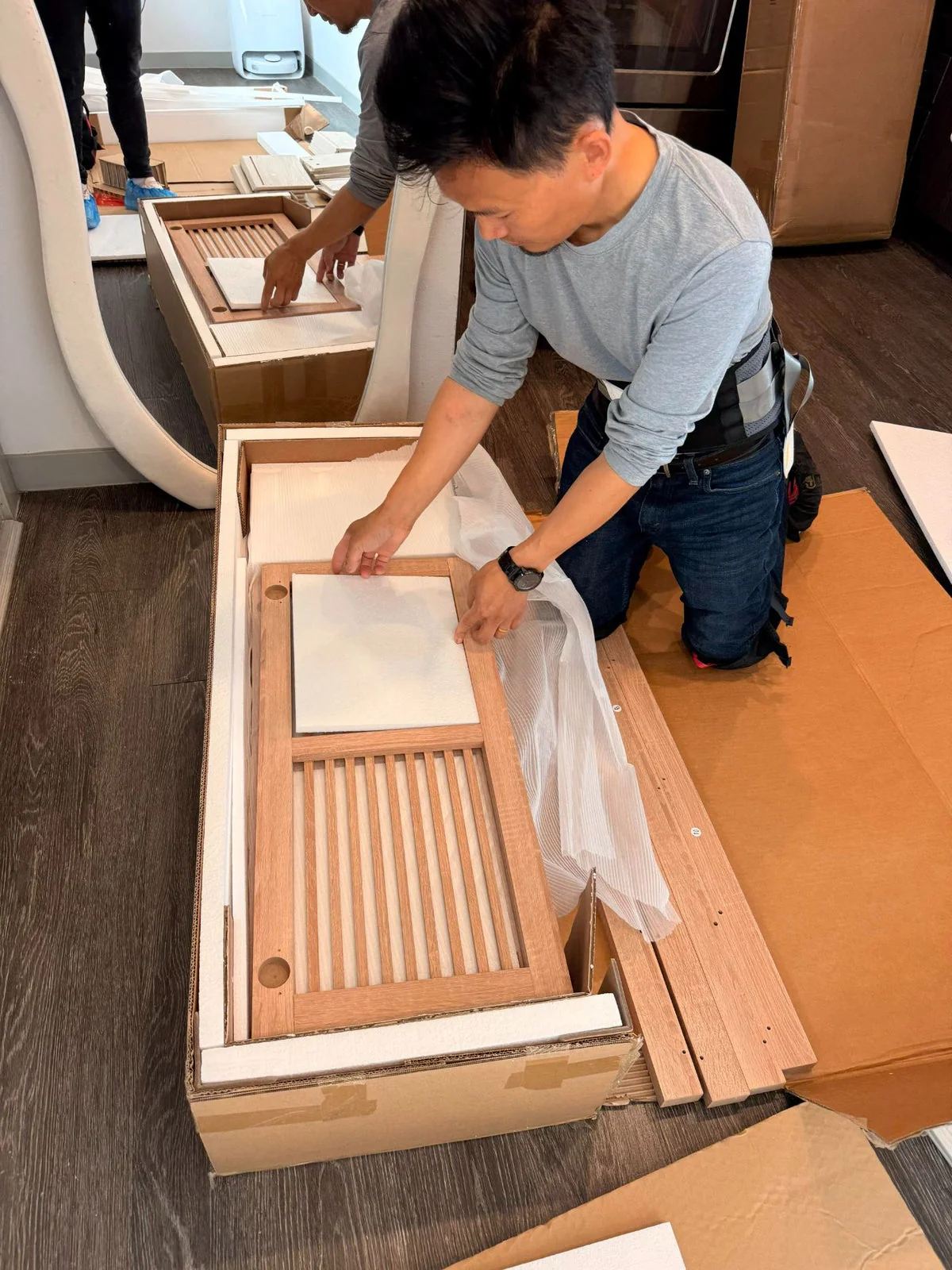


Transport, unloading, carry-in, assembly and installation are different responsibilities. Confirm them before dispatch, particularly for phased openings and occupied sites.
An early brief does not need every finish resolved. It does need a clear scope, current references and a visible list of decisions that are still open.
Keep tentative quantities or dates marked as provisional. Identify the critical items and the person who can approve them.
Buy Furniture from China0 of 8 brief items ready
Clear decisions before a confirmed order.
Furniture procured to a defined commercial project brief, including specifications, quantities, approvals and delivery requirements.
Share the schedule for review. The first task is to identify missing details and confirm what can be sourced to the required specification.
Requirements vary by product, use and destination. Identify the required tests and documents at the start and verify availability before approval.
Discuss the required phases, storage and receiving arrangements in the initial brief. Feasibility and costs need to be confirmed per project.
Not for every decision. A finish sample helps review colour and texture; a prototype or assembled sample may be needed for comfort, construction, dimensions or moving parts. Agree the approval method item by item.
Ask suppliers to list the minimum quantity and sample or prototype costs against the same item specification. Record whether any sample charge is credited, and confirm the conditions before approval. Do not assume one policy applies across suppliers.
Identify the affected item and revision, obtain feasibility and cost or timing implications, and ask the authorized approver to confirm the change in writing before production continues.
Not automatically. Confirm the delivery endpoint and separately identify the parties responsible for unloading, carry-in, assembly, installation and packaging removal.
Not automatically. Record the batch and the agreed sample or full-check scope. The report should say what was checked and what was not; unresolved findings need correction evidence and a named release decision.
Do not assume that it does. Match the report to the product model, construction, material and applicable test scope. Ask the relevant specialist or test provider to confirm whether the evidence covers the configuration you are ordering.
Furniture Sourcing Enquiry
Send your product list, reference images or room plans. We’ll review your project and show you the clearest path to an accurate quotation.
Service type is set to Furniture Sourcing—everything below the line is optional.