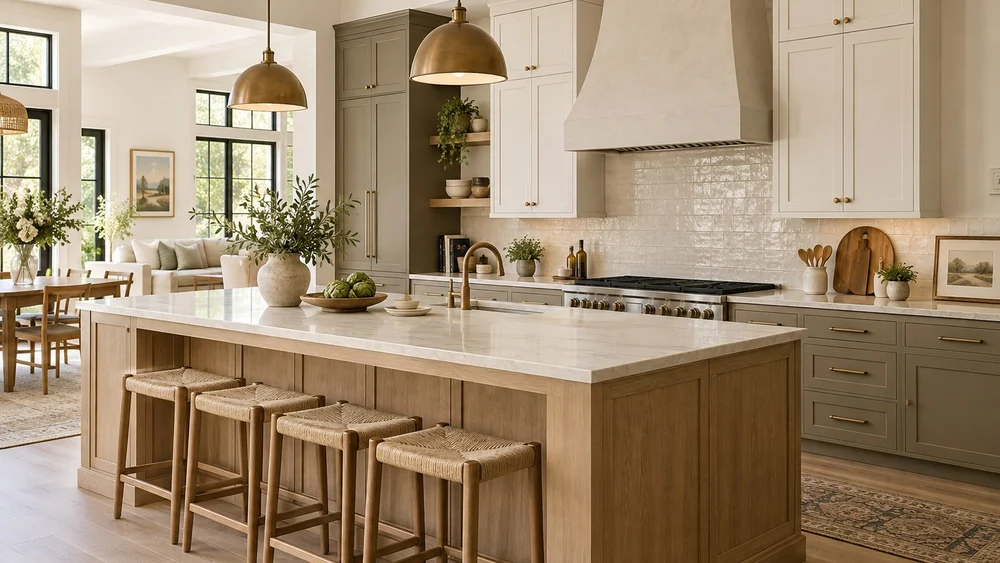
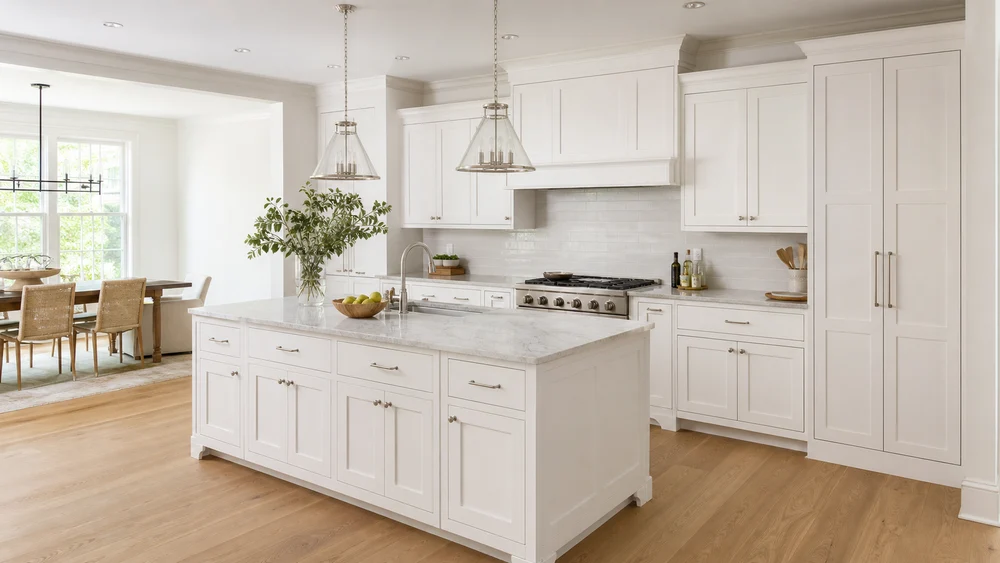
Choosing kitchen cabinets is one of the biggest decisions in a renovation. The cabinet doors set the visual tone of the kitchen, but the real value sits behind the surface: the cabinet box, board material, edge sealing, hardware, finish, and installation quality.
Today at Arcaya, we are using a real factory-visit reference as a practical guide for homeowners planning custom kitchen cabinets. The takeaway is simple: before choosing a color or signing a quotation, look closely at how the cabinets are made.
1. Start With the Cabinet Box, Not Only the Door Style
A beautiful cabinet door can make a kitchen feel calm and polished, but the cabinet box determines how the kitchen performs over time. In a hardworking space with steam, cleaning, heavy cookware, and daily movement, the internal structure matters as much as the front view.
When comparing custom cabinet makers, ask what material is used for the cabinet box, shelves, side panels, and drawer structure. Many homeowners focus only on the door finish, then later discover that the inner cabinet material, shelf thickness, or edge treatment does not match the level they expected.
Arcaya idea: Treat the cabinet box as the foundation of the kitchen. Doors create the look, but the box carries the daily load.
2. Ask What “Plywood Cabinet” Actually Means
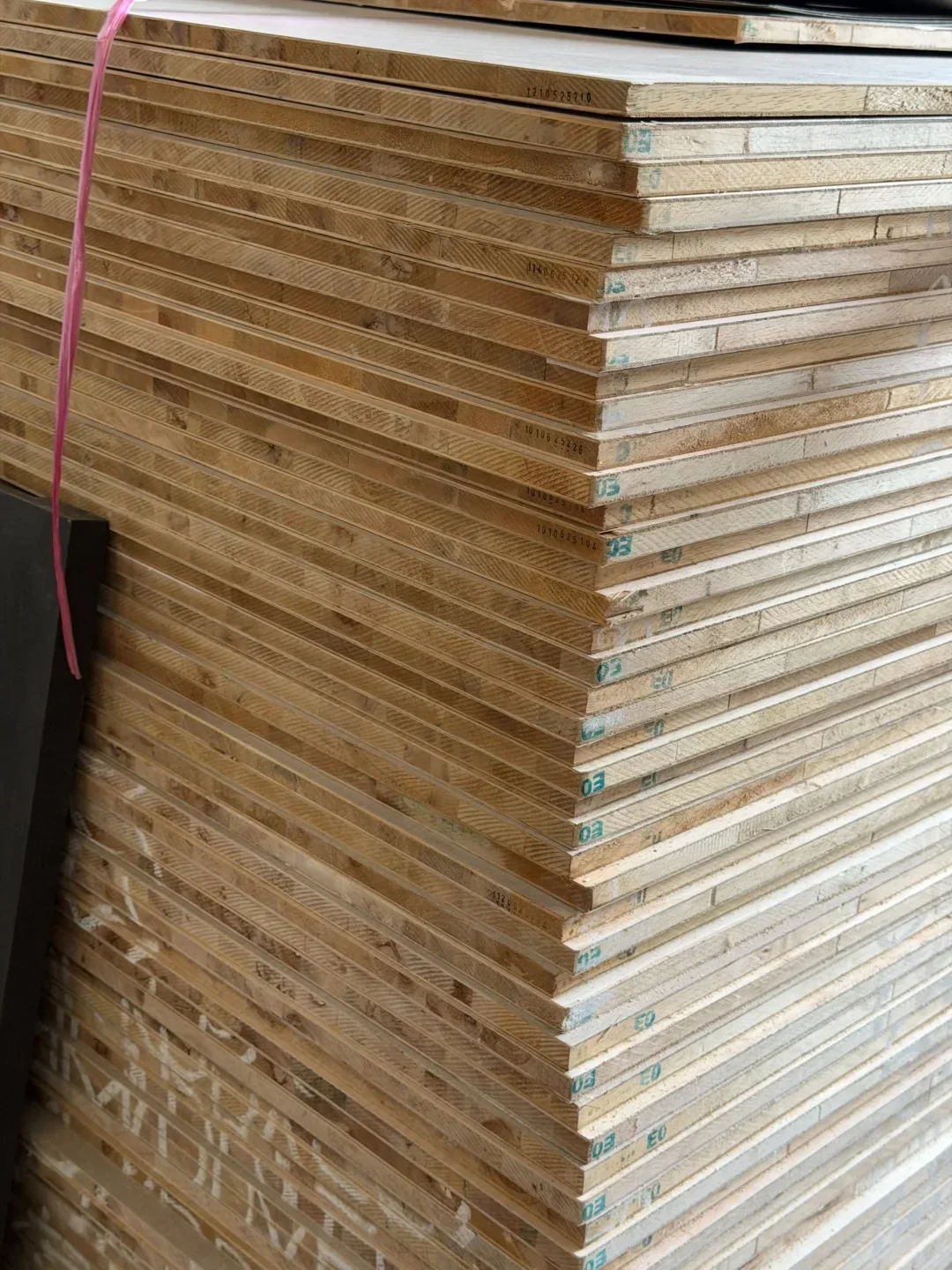
Plywood is often preferred for custom cabinetry because it can offer better screw holding, layered stability, and moisture resistance than some lower-grade board options. But “plywood” is not a complete specification by itself. The grade, thickness, core quality, surface finish, and emission certification all matter.
In the reference material, the cabinet maker highlights E0 plywood and low-formaldehyde adhesive. For a homeowner, the important step is to ask for documentation rather than relying only on sales language. If indoor air quality is a priority, request the board specification, emission standard, and brand or supplier details.
Also check the plywood edge. A clean, even layered core usually signals better board quality. If the core has many gaps, rough voids, or inconsistent layers, it may affect the long-term strength of shelves, hinges, and screw-fixed hardware.
Arcaya idea: Do not ask only “Is it plywood?” Ask “What plywood is it, how thick is it, and can I see the board specification?”
3. Look Closely at Edge Banding

Edge banding is one of the details that separates a cabinet that looks good on delivery from one that stays good after years of use. Kitchen cabinet edges are exposed to moisture, heat, cleaning products, and repeated touch. Poor edge sealing can lead to peeling, swelling, dark lines, or rough corners.
The source note mentions PUR edge banding. PUR is often valued because it creates a strong, moisture-resistant bond with a finer glue line than traditional hot-melt edge banding. For kitchens, bathrooms, and laundry areas, this can be a meaningful upgrade.
When visiting a factory or showroom, look at sample boards from the side, not only from the front. Check whether the edge line is tight, smooth, and consistent. Run your fingers along the corners. Ask how exposed sink areas, dishwasher zones, and countertop edges are protected.
Arcaya idea: The edge is where material quality becomes visible. A clean edge detail makes the whole cabinet feel more refined.
4. Consider a Finished Interior, Not Just a White Box
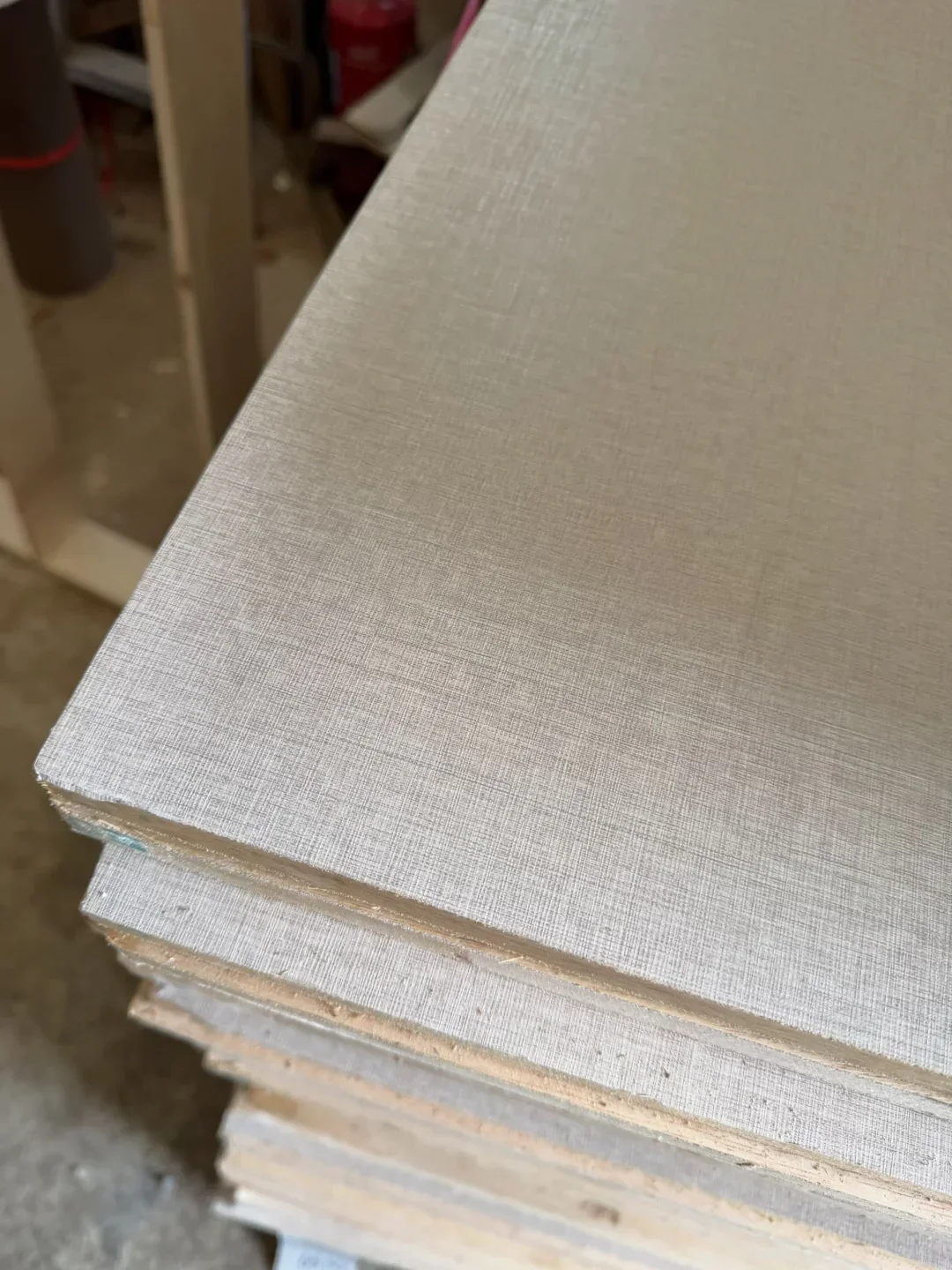
One useful detail from the reference is the use of a color carcass, meaning the cabinet interior is finished in a selected color or texture rather than left as a plain white interior. This can make open cabinets, glass-front cabinets, pantry pull-outs, and tall storage units feel more intentional.
For modern kitchens, a matching or coordinated interior can reduce visual clutter. A warm wood-look interior can soften a white kitchen. A darker interior can make a dramatic cabinet wall feel more architectural. A light neutral interior can help small kitchens stay bright and easy to clean.
Before choosing this upgrade, ask whether the color carcass applies to all cabinets or only selected units. Confirm the inside material, the shelf finish, and whether the exposed edges match.
Arcaya idea: Interior cabinet color is a small detail with a large visual effect, especially in open shelves, appliance garages, and pantry areas.
5. Visit the Factory or Ask for Process Photos
Seeing the production process gives you information that a showroom cannot always show. A factory visit lets you observe the boards, machines, assembly area, sample panels, and work-in-progress cabinets. Even if you cannot visit in person, ask the supplier for production photos and short videos of similar projects.
Look for organization, clean cutting, consistent board storage, professional edge banding equipment, and finished cabinet modules waiting for installation. These signs do not guarantee a perfect result, but they help you understand whether the supplier has a repeatable process.
The most useful questions are practical: Who measures the kitchen? Who makes the shop drawings? Who confirms appliance dimensions? Who installs the cabinets? Who handles adjustments after installation?
Arcaya idea: A good cabinet supplier should be able to explain the process clearly, from measurement to drawing approval to installation.
6. Choose Cabinet Colors in the Actual Design Context

Color selection is where many homeowners get stuck, and for good reason. A small sample can look very different once it becomes an entire wall of cabinetry. Lighting, flooring, countertop color, backsplash, wall paint, and appliance finish can all change how a cabinet color feels.
For a simple modern kitchen, start with the overall mood: warm minimal, soft contemporary, natural wood, light and airy, or dark and architectural. Then narrow the cabinet finish to two or three options. Bring the sample next to the countertop, floor tile, and wall paint before making the final decision.
If you are choosing wood-look cabinets, pay attention to undertone. Some wood finishes lean yellow, some lean red, and some feel cooler or more gray. For a timeless modern kitchen, many homeowners prefer balanced oak, walnut, warm greige, soft white, or muted taupe because these colors pair well with stone, stainless steel, black accents, and warm lighting.
Arcaya idea: Choose cabinet color as part of a full palette, not as a single isolated sample.
7. Compare Direct-Factory Pricing With the Full Service Scope
Buying from a factory or source supplier can sometimes reduce cost, especially when fewer retail layers are involved. But price should be compared with the full scope, not only the cabinet body number.
A complete quotation should clarify design service, site measurement, material grade, door finish, carcass finish, hardware brand, hinges, drawer slides, countertop inclusion, backsplash, sink cutouts, appliance panels, delivery, installation, warranty, and after-service adjustments.
If one quote is lower than another, ask what is excluded. A lower cabinet price may still become expensive if measurement, installation, countertop coordination, or hardware upgrades are charged separately.
Arcaya idea: The best cabinet value is not always the lowest price. It is the clearest combination of material, design, workmanship, installation, and accountability.
8. Questions to Ask Before Paying a Deposit
| What to ask | Why it matters |
|---|---|
| What material is used for the cabinet box, doors, shelves, and drawers? | Different parts may use different materials. |
| What board thickness will be used? | Thickness affects strength, shelf span, and hardware stability. |
| Is there an emission certificate for the board? | Useful for indoor air quality and material transparency. |
| What edge banding method is used? | Better edge sealing helps with moisture resistance and durability. |
| What hardware brand is included? | Hinges and slides affect daily use more than most people expect. |
| Are shop drawings included before production? | Drawings reduce mistakes in layout, appliance sizing, and storage planning. |
| Who is responsible for measurement and installation? | Clear responsibility prevents gaps between designer, factory, and installer. |
| What happens if panels need adjustment after installation? | After-service terms matter when working with custom pieces. |
This checklist is especially important if you are renovating from a distance, comparing several suppliers, or ordering cabinets for a rental, vacation home, or overseas project.
Arcaya Takeaway
Custom kitchen cabinets should be chosen from the inside out. Start with the cabinet box, board quality, edge banding, hardware, and installation process. Then move into finishes, colors, and style.
For a modern kitchen, the most successful result often comes from a calm palette, durable materials, clean edges, and a supplier who can explain every stage of production. A cabinet that looks beautiful in photos is good. A cabinet that is well built behind the doors is better.
Source note: Image material source: online reference material. This article is an original Arcaya design interpretation for interior inspiration and renovation planning only.