
Organic modern interior design is not just a neutral room with wood furniture. At its best, it feels calm, grounded, and quietly luxurious because every material has a natural softness: timber with visible grain, stone with movement, linen that filters light, plaster walls, woven chairs, and furniture with gentle curves.
The style works beautifully for homes that want warmth without clutter. It keeps the architecture clean, but it avoids the coldness that can come from pure minimalism. The secret is contrast: smooth and rough, pale and deep, sculptural and simple, indoor and outdoor.
Start With Nature as the Mood
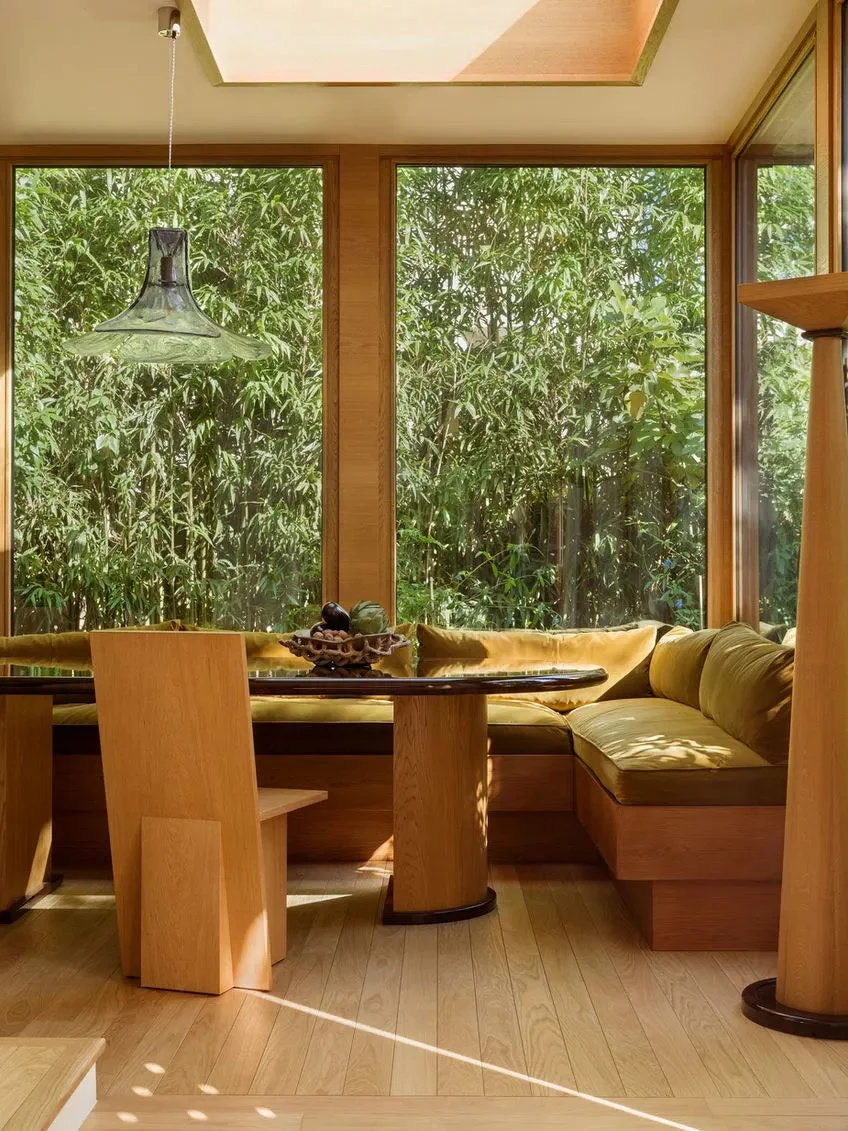
The strongest organic modern rooms feel connected to the landscape, even when the home is in the city. A window, garden view, courtyard, timber frame, or indoor tree can become the emotional center of the space.


Keep the Palette Warm, Not Flat
A warm organic palette usually begins with cream, oatmeal, sand, clay, olive, stone gray, and soft brown. The room should not be one pale tone from wall to wall. Add depth with darker wood, muted green, blackened metal, rust, or tobacco upholstery.

Use Curves to Relax the Room
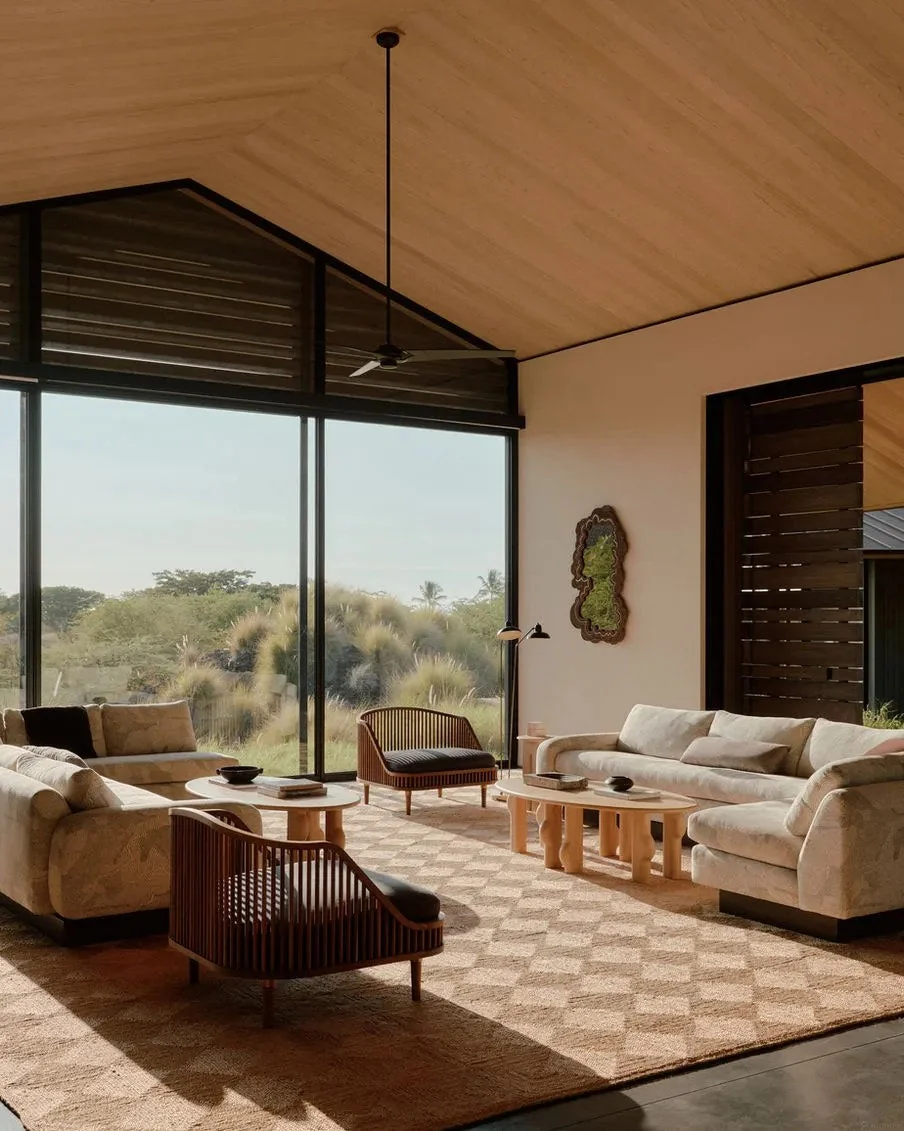
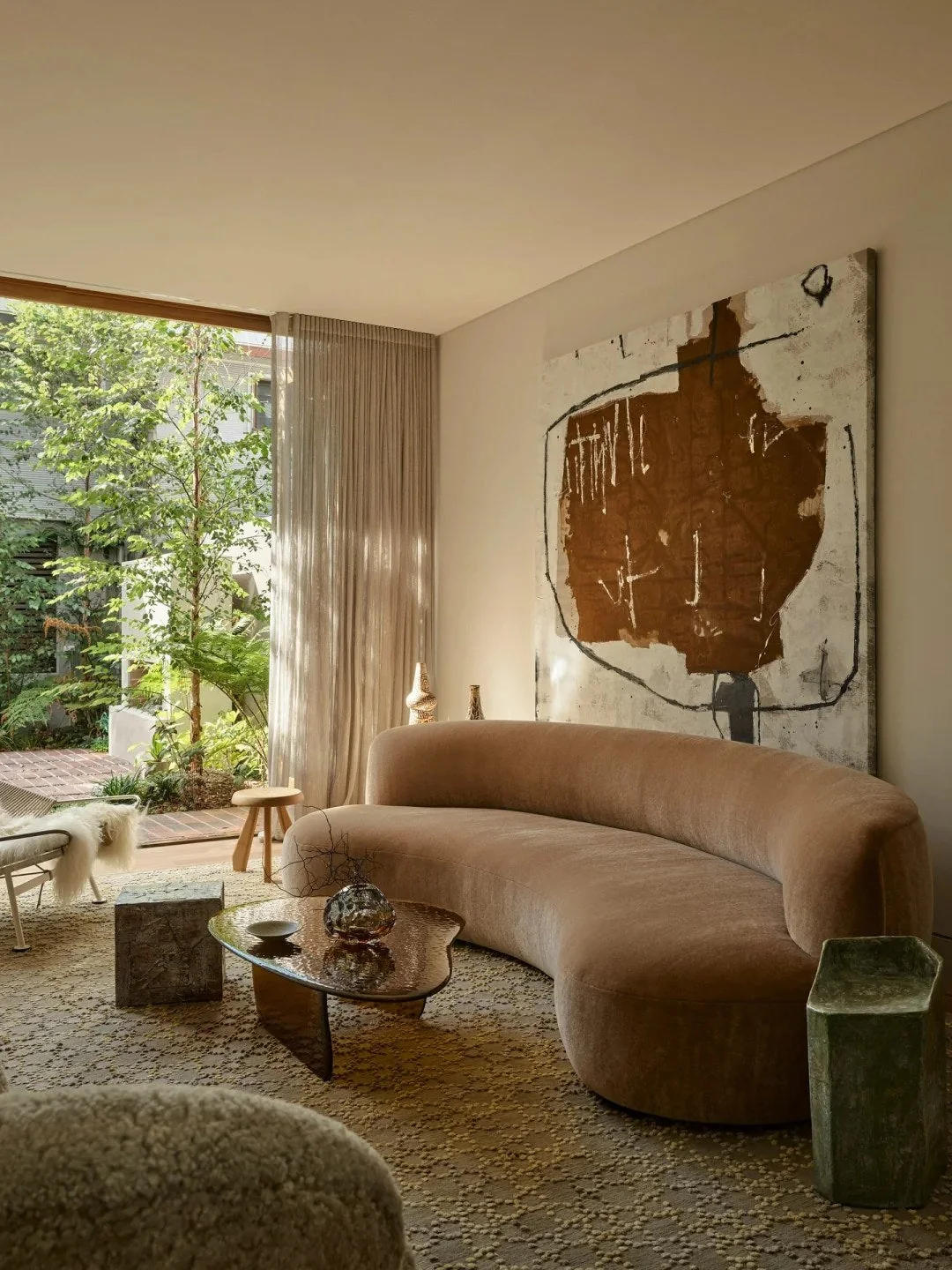
Curved furniture is one of the easiest ways to make a modern room feel more human. A rounded sofa, soft-edge coffee table, arched opening, or circular mirror breaks up straight architectural lines without making the room feel decorative.

Let Wood Do the Heavy Lifting
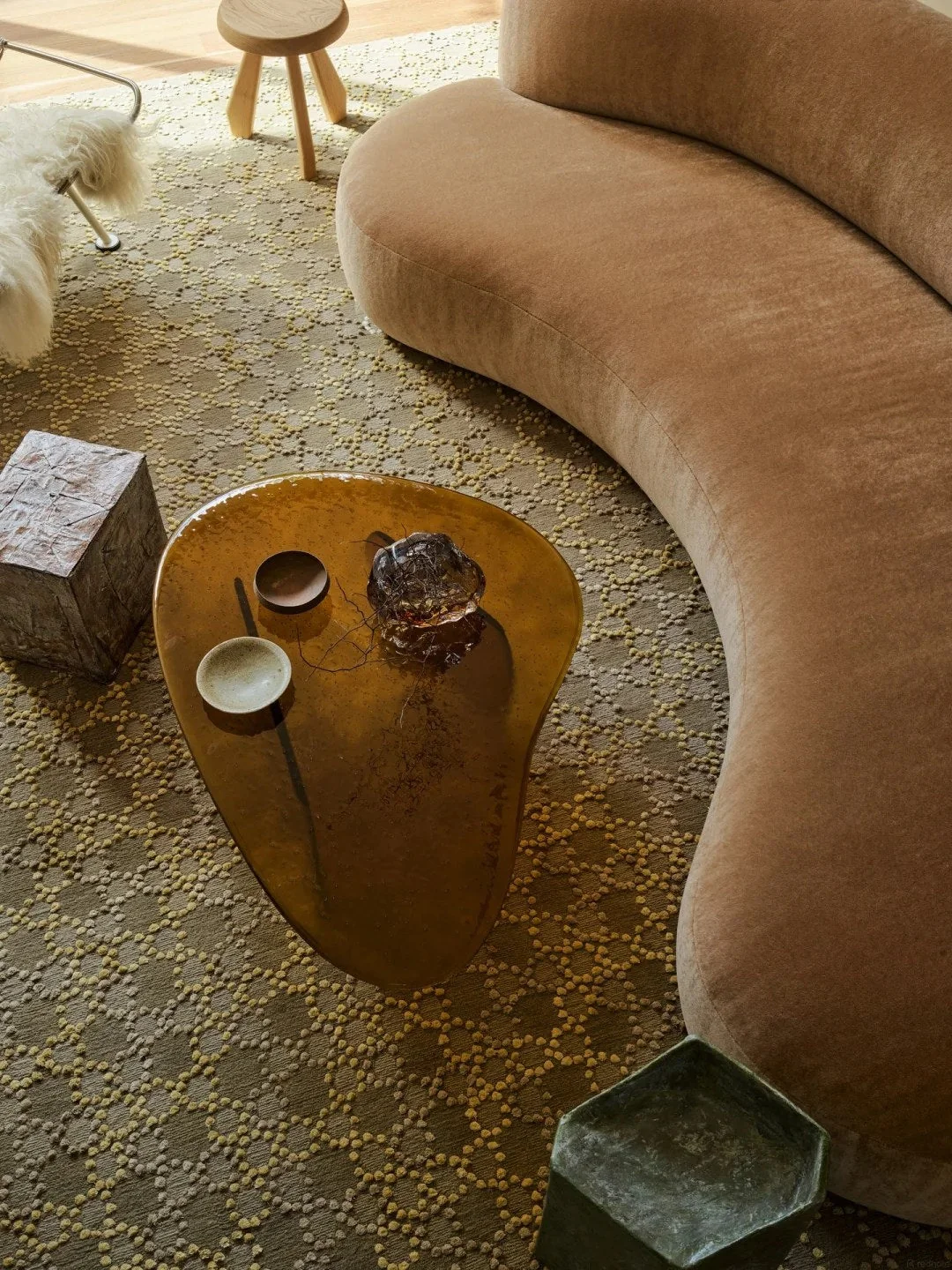
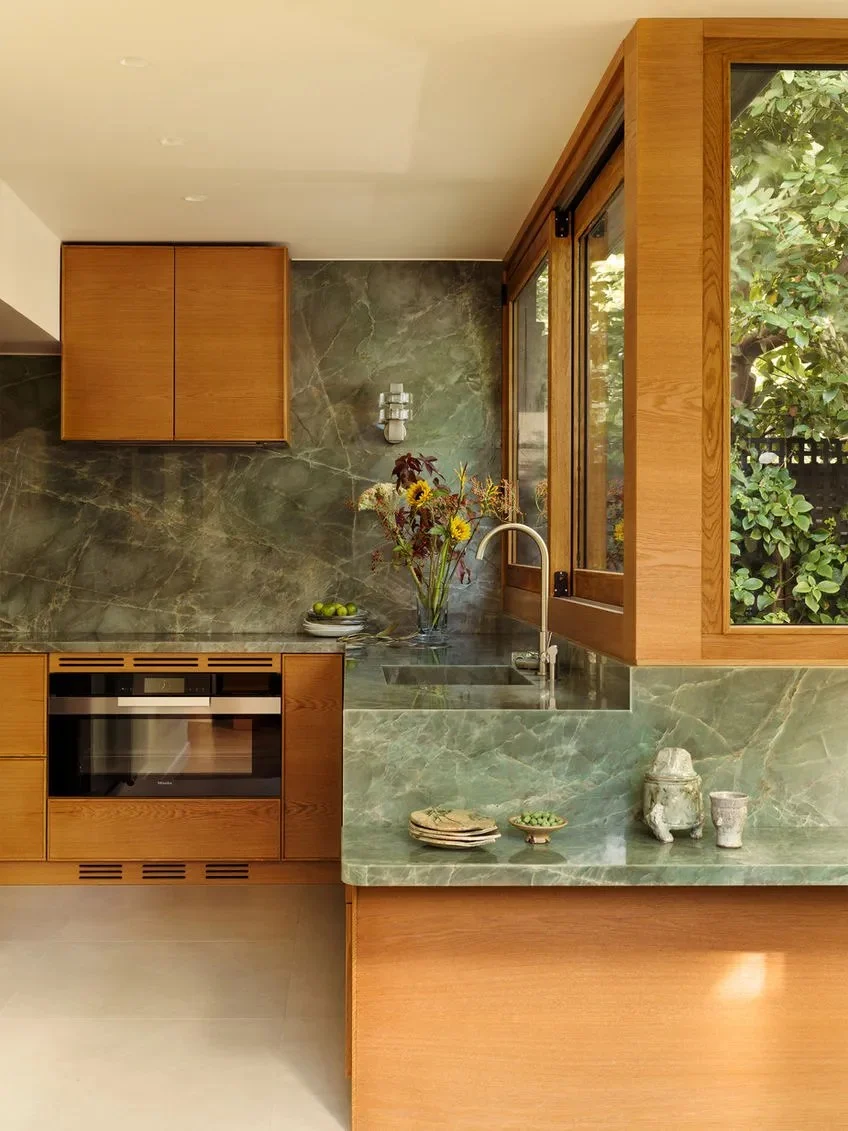
Wood is the backbone of organic modern interiors. It can appear as wall paneling, shelving, cabinetry, window frames, ceiling boards, or furniture. The best rooms repeat timber in several places, so the warmth feels architectural rather than accidental.


Bring in Stone, Plaster, and Tactile Surfaces
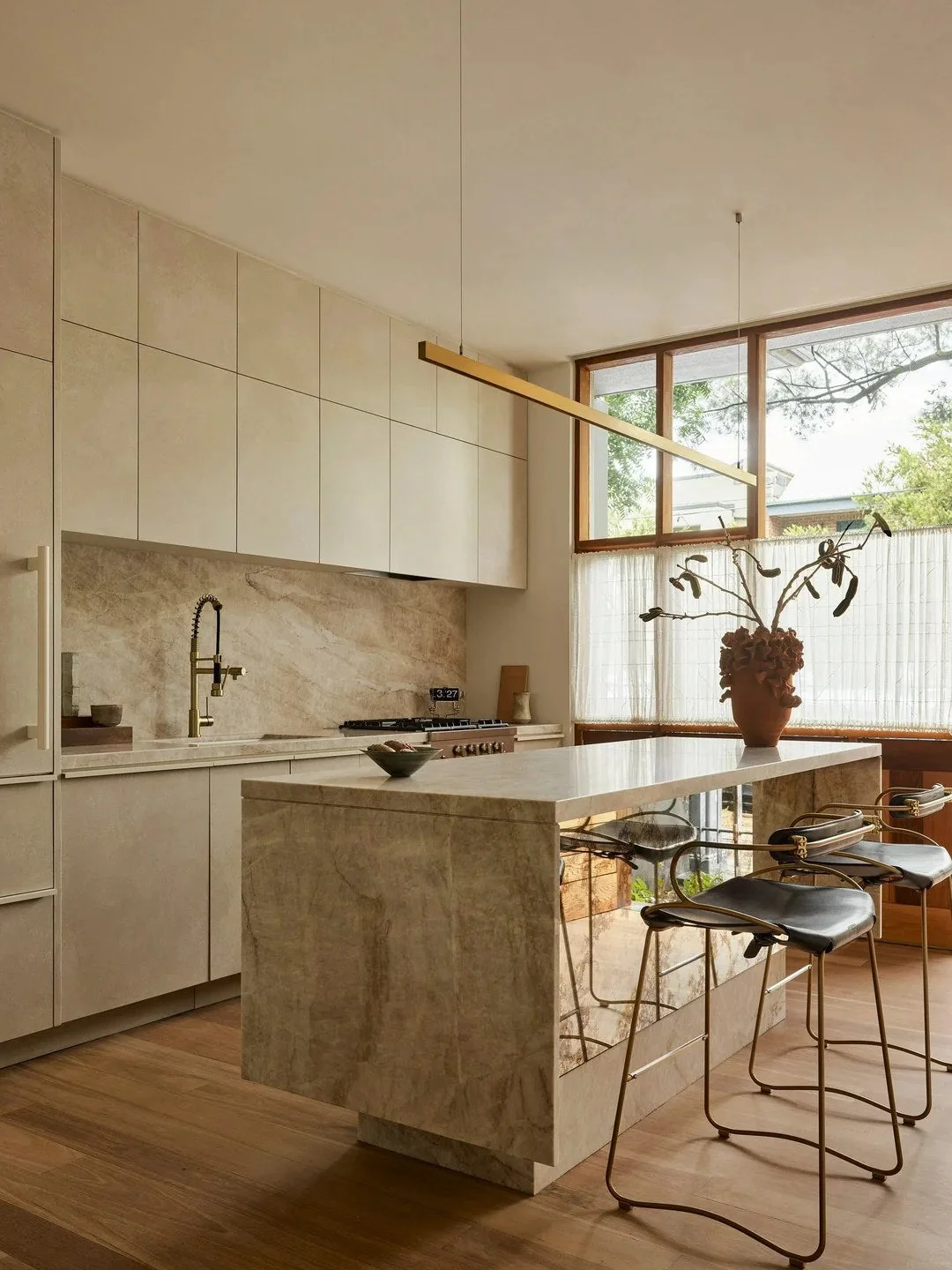
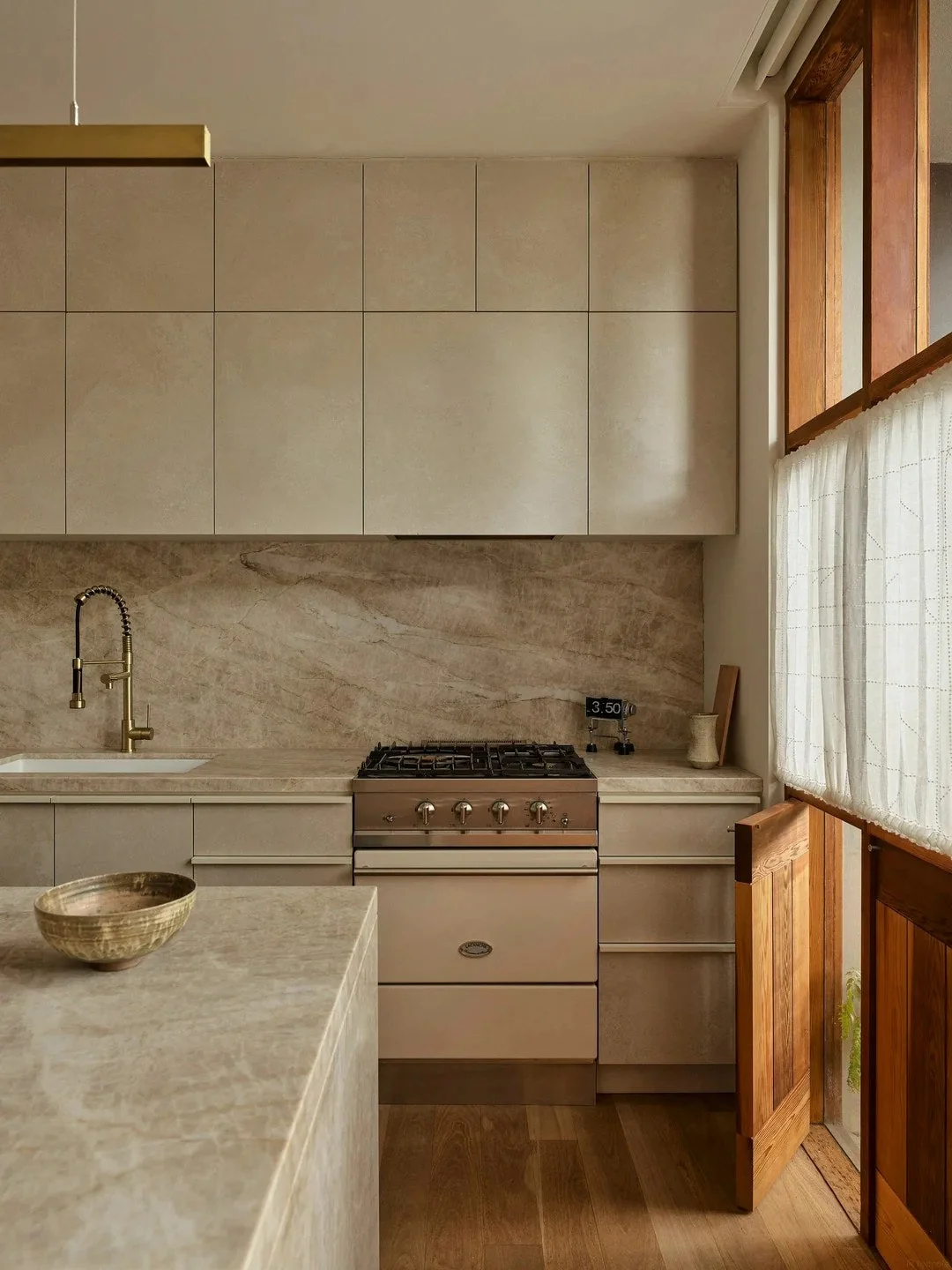
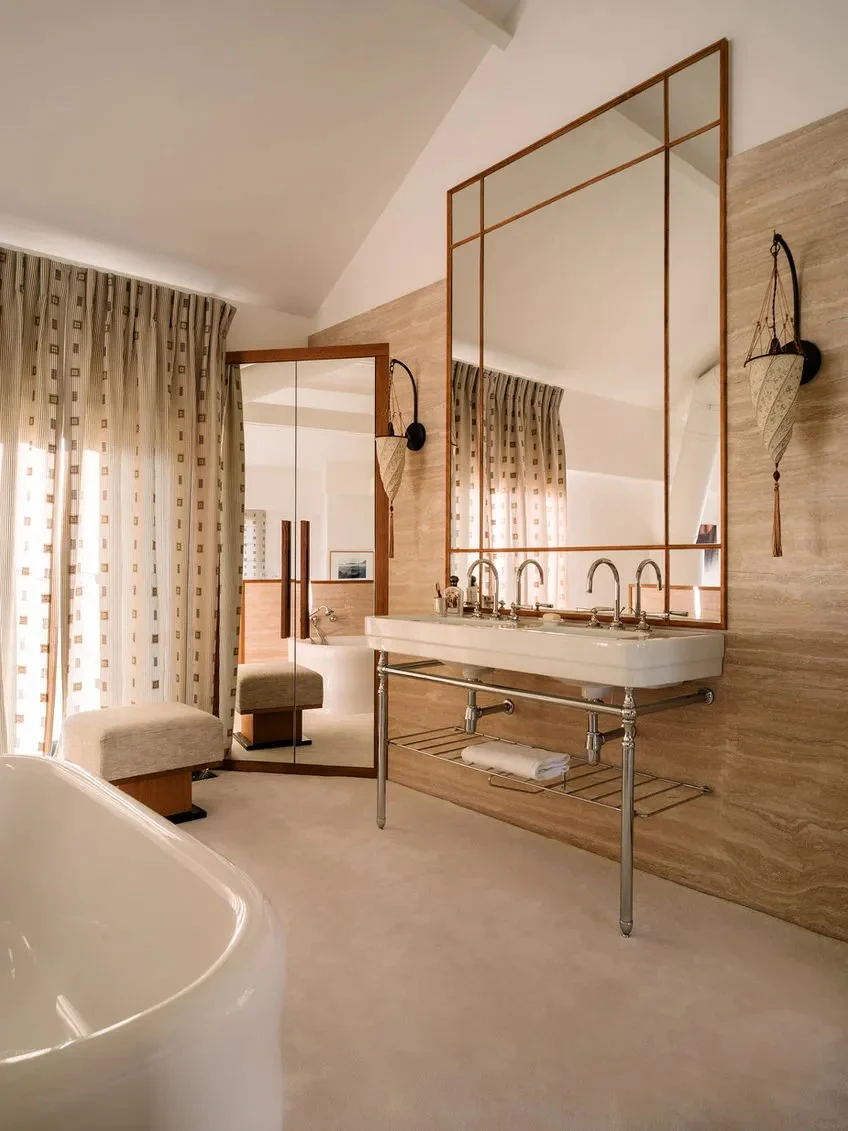
Stone and plaster add quiet luxury because they have movement without shouting. A marble island, limestone wall, travertine table, or hand-finished plaster surface gives the room texture while keeping the palette calm.
Make Light Feel Soft
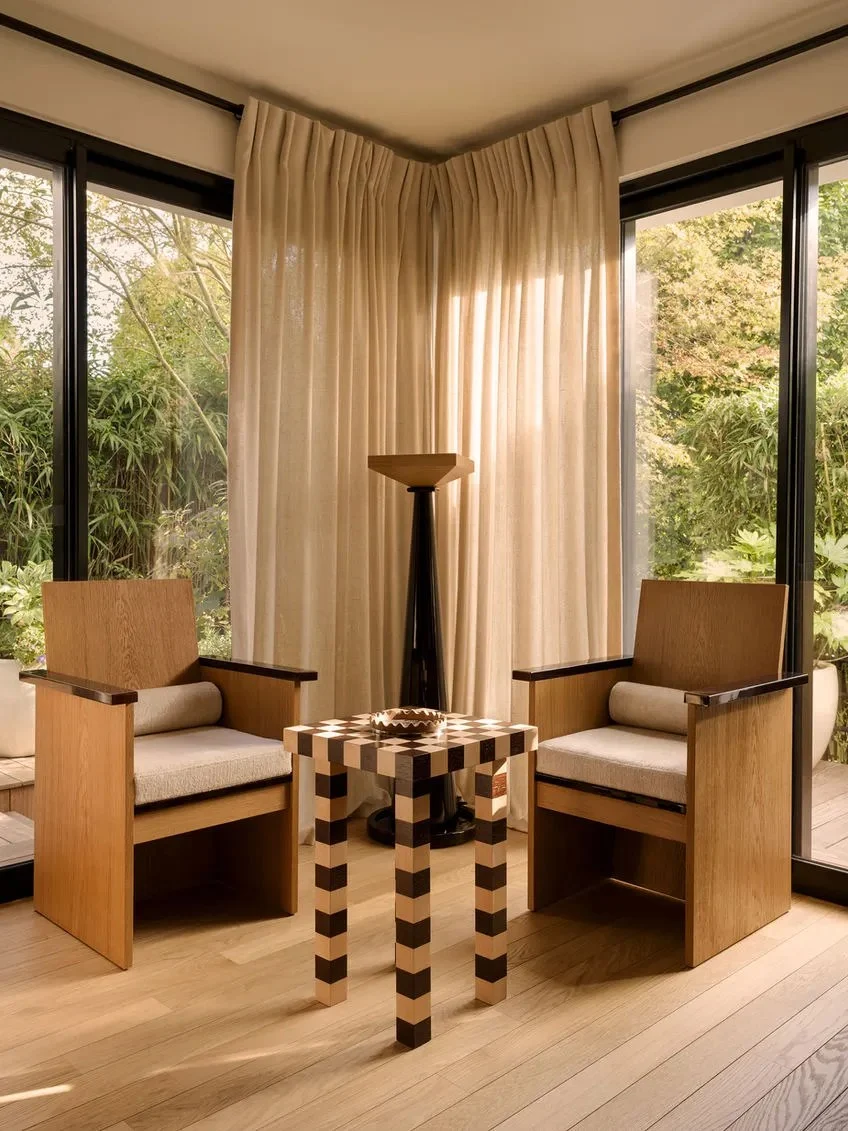
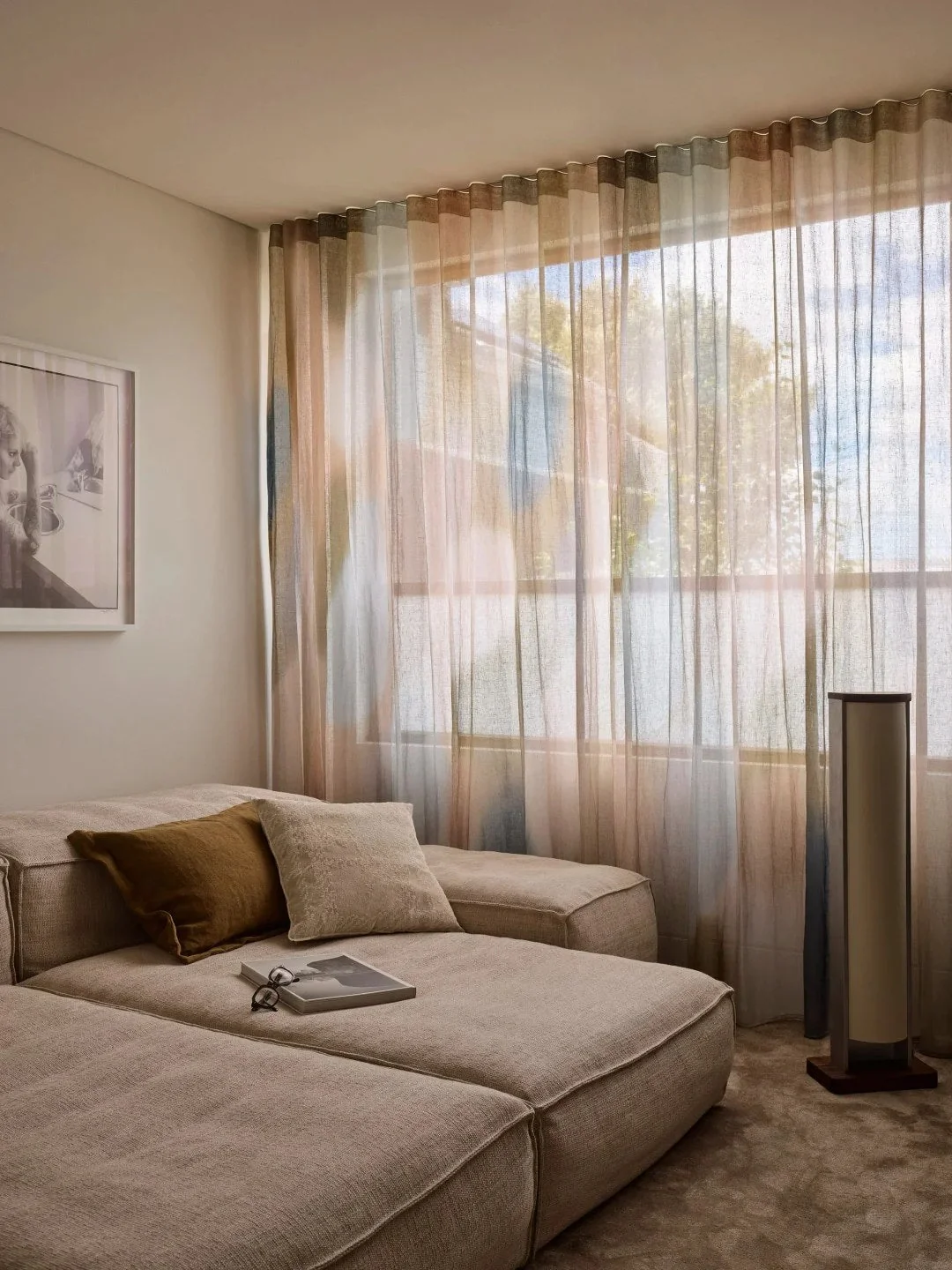
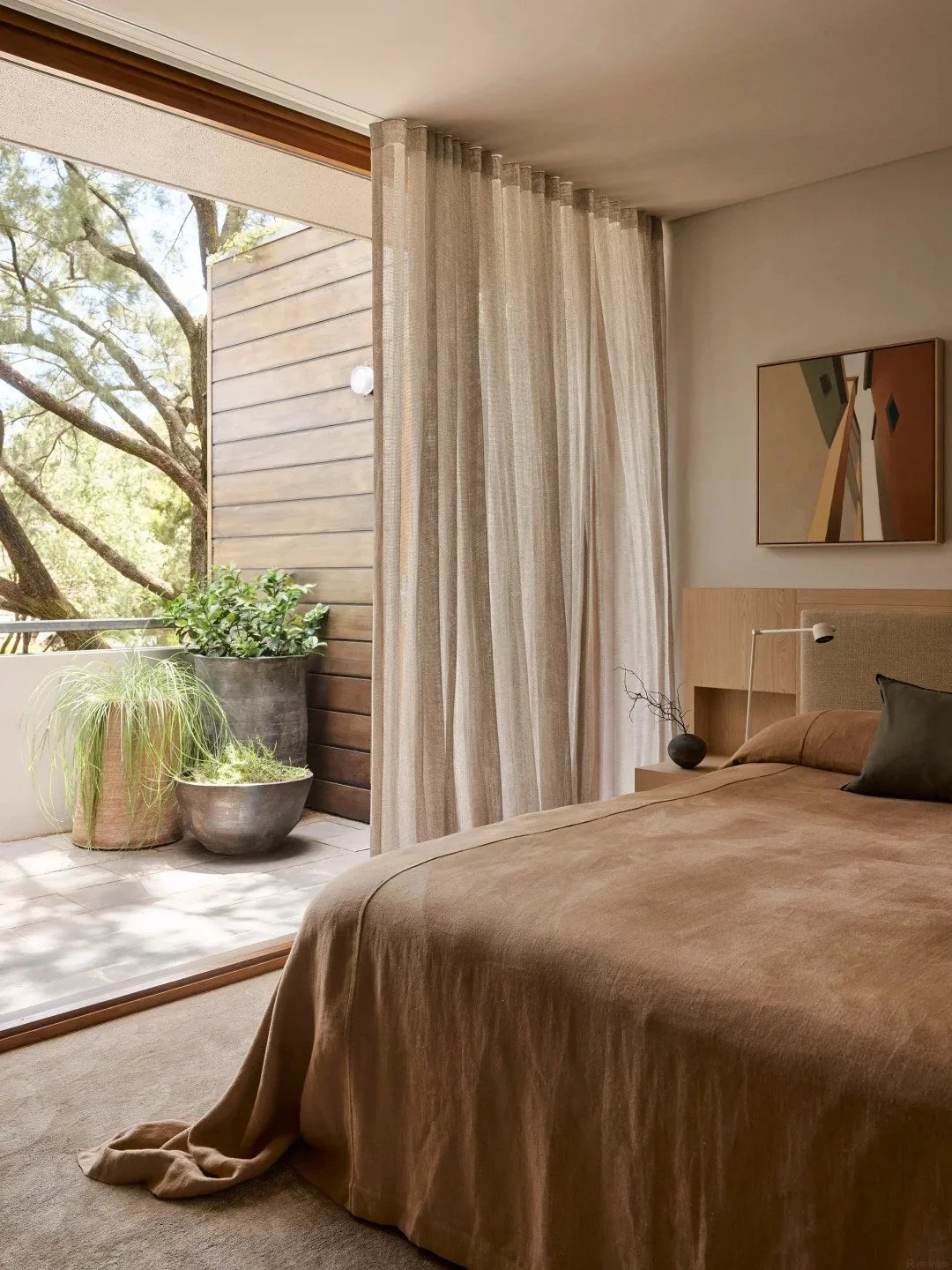
Soft light is essential. Instead of relying only on bright ceiling lights, organic modern rooms use sheer curtains, shaded lamps, wall lights, and warm reflections. Daylight should feel filtered; evening light should feel low and layered.
Blur Indoor and Outdoor Living
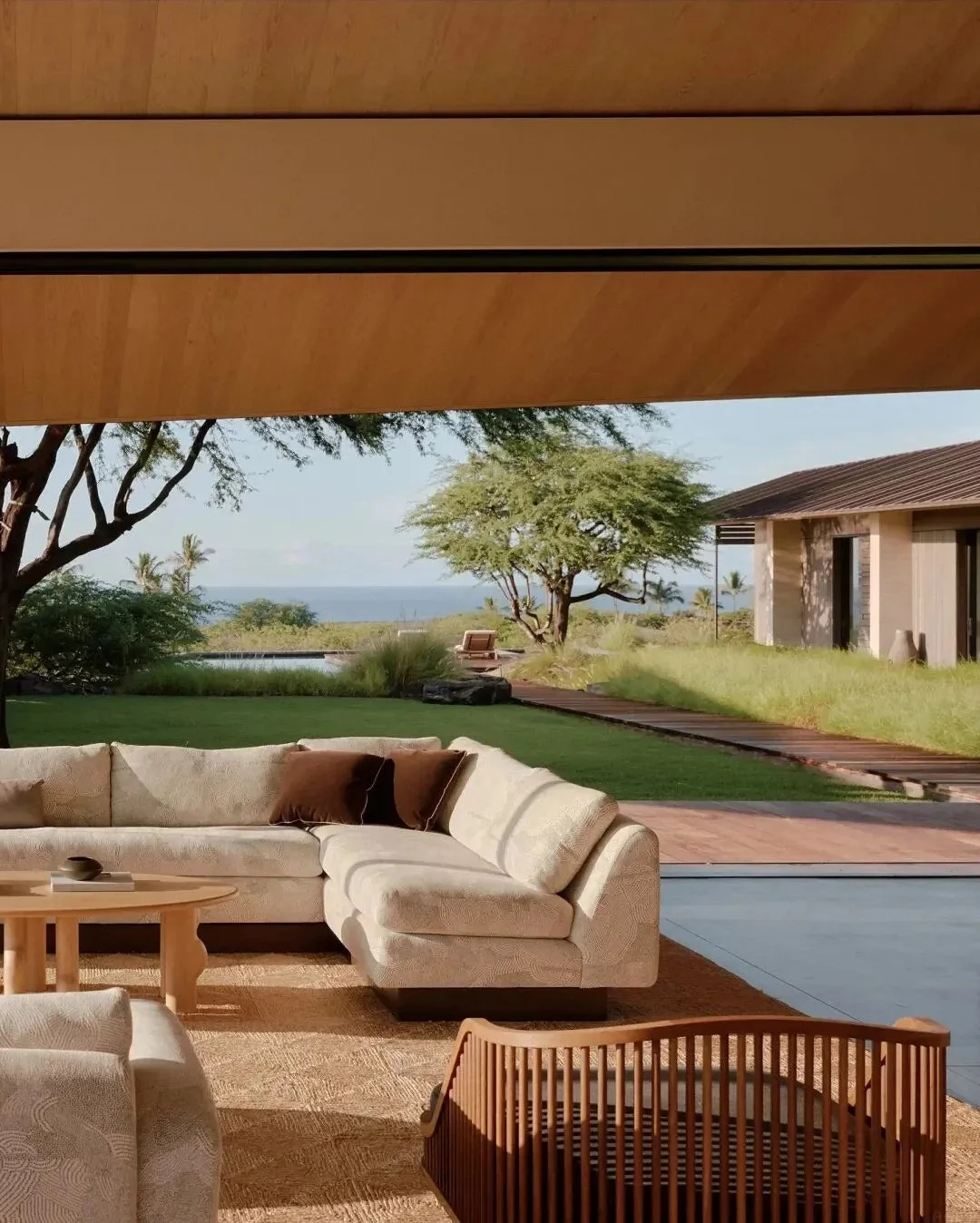
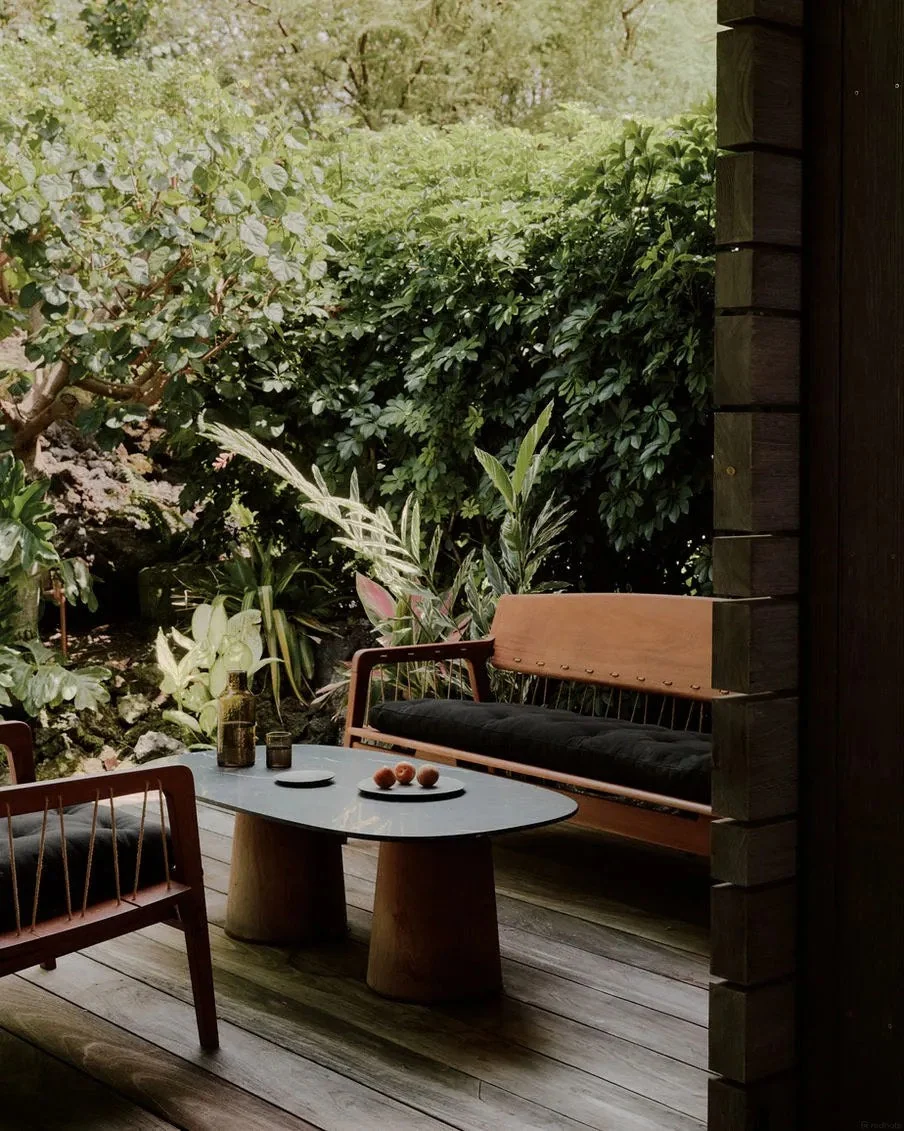
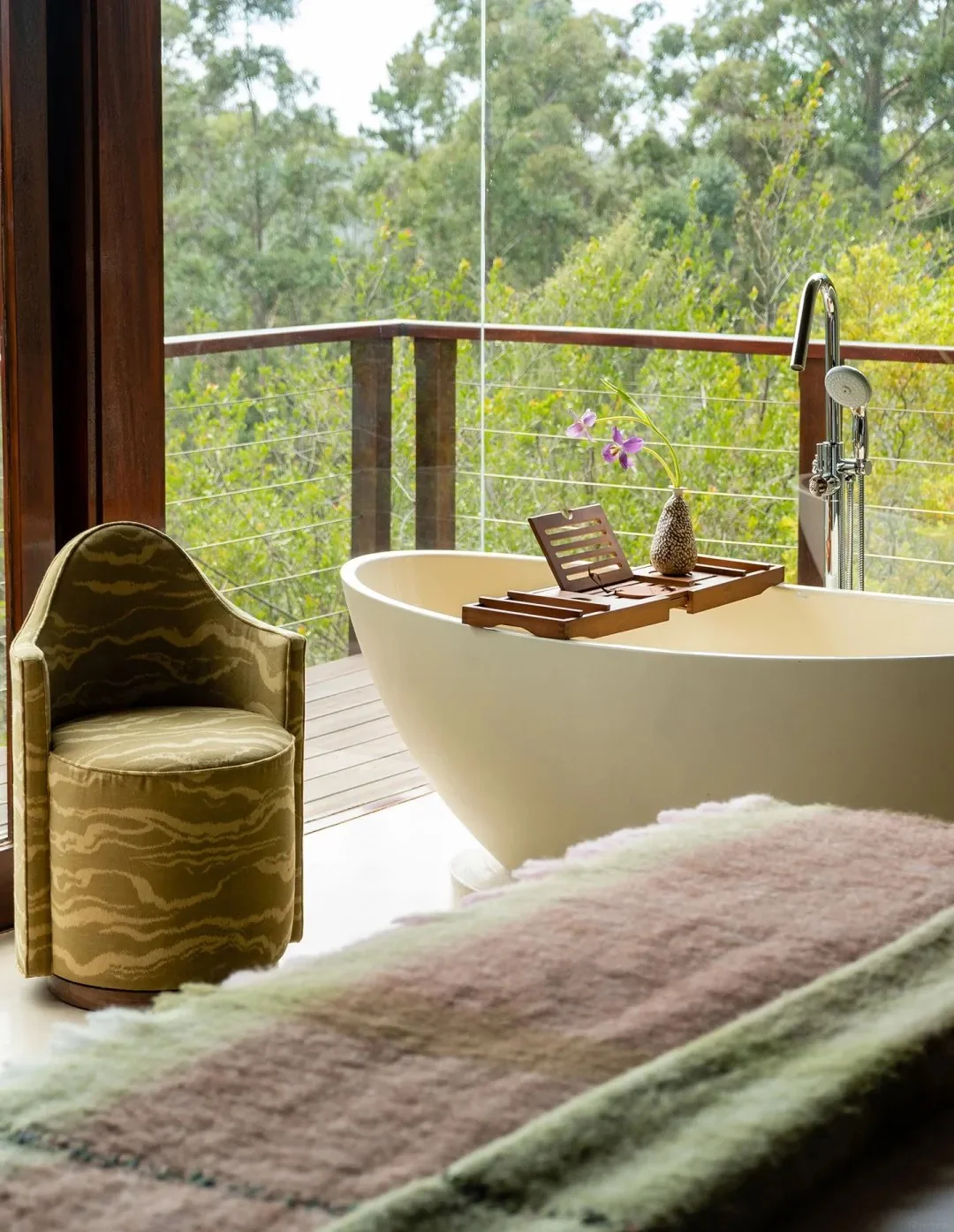
A home feels more organic when outdoor spaces are treated as part of the interior story. Sliding doors, covered terraces, garden seating, and views of plants make the rooms feel slower and more expansive.

Keep Bedrooms Restful and Textured
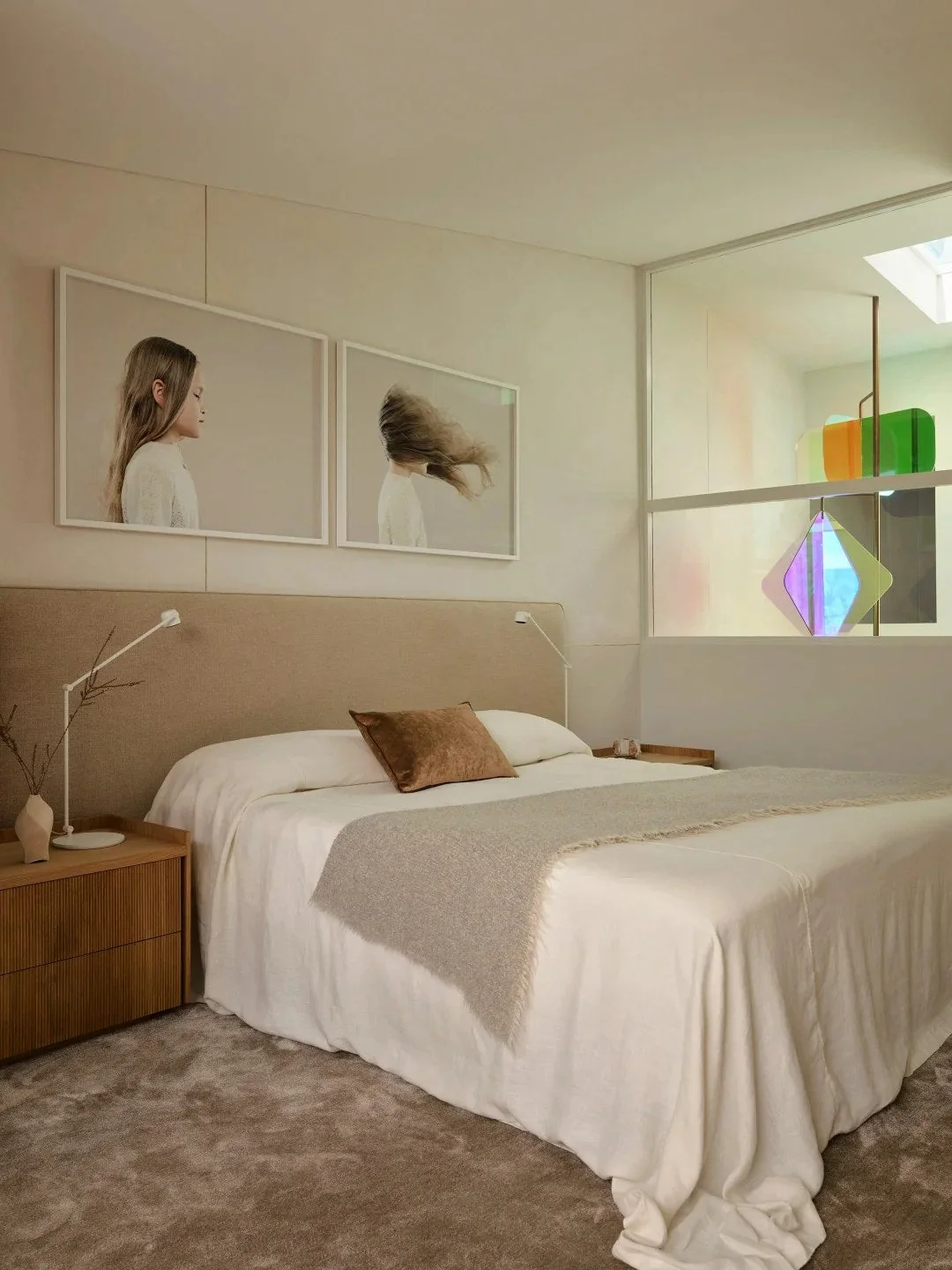
In bedrooms, organic modern design should feel restful rather than staged. Low beds, timber details, neutral bedding, linen curtains, woven pieces, and soft bedside lighting create a calm room that still has depth.

Use Color Like Earth, Not Decoration
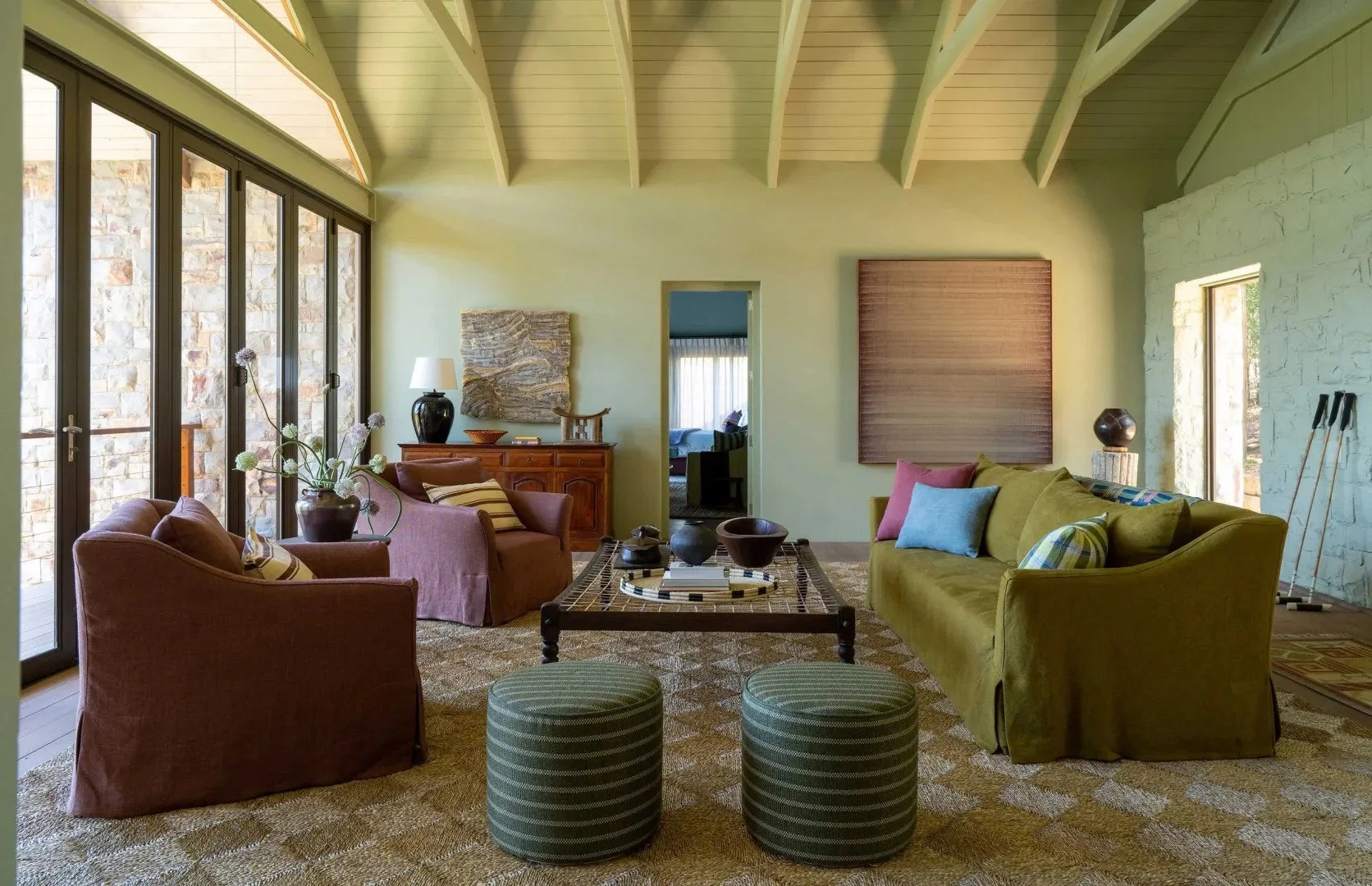
Color can absolutely belong in an organic modern home. The key is choosing tones that feel rooted in nature: moss, clay, ochre, deep brown, muted blue, and sun-warmed terracotta. Use them as atmosphere, not as a loud theme.

Finish With Quiet Details
The final layer is where the style becomes personal. Handmade ceramics, sculptural lamps, woven stools, simple books, branches, and artwork with organic shapes can make the room feel collected without becoming busy.
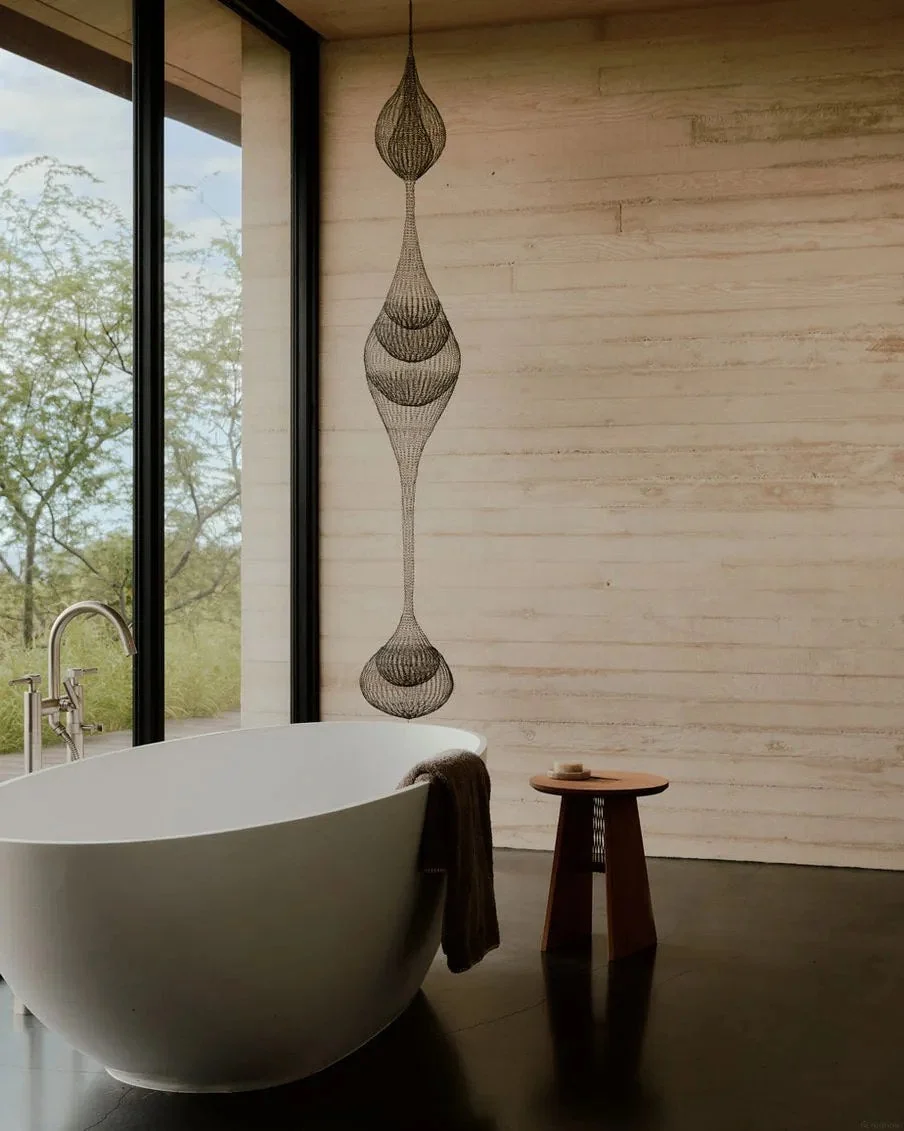

The Organic Modern Formula
A strong organic modern home is clean but never empty, warm but never heavy, luxurious but never loud. Choose natural materials first, soften the light, repeat warm tones, and let each room keep a small connection to nature. That balance is what makes the style feel calm, current, and deeply livable.

