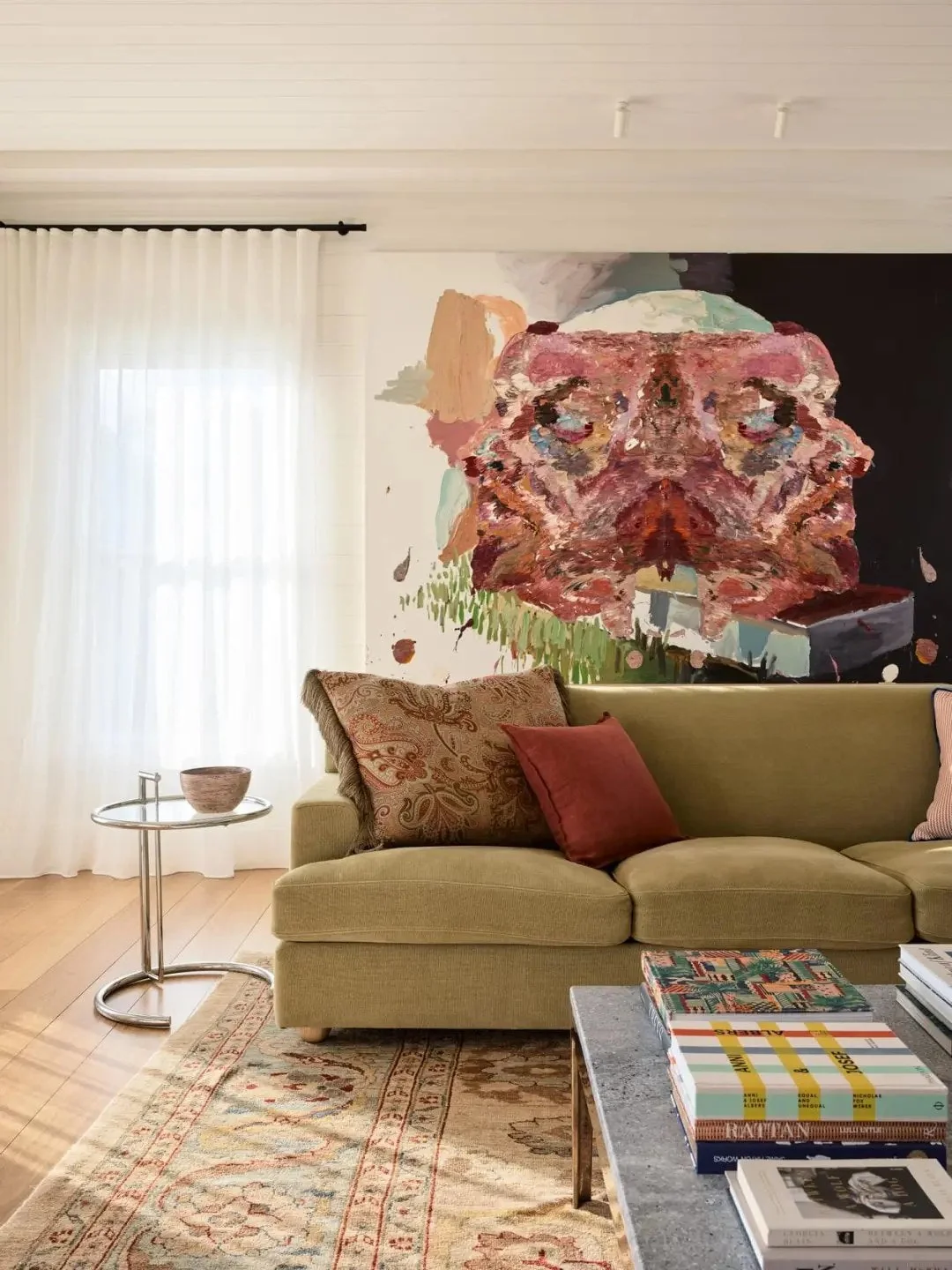
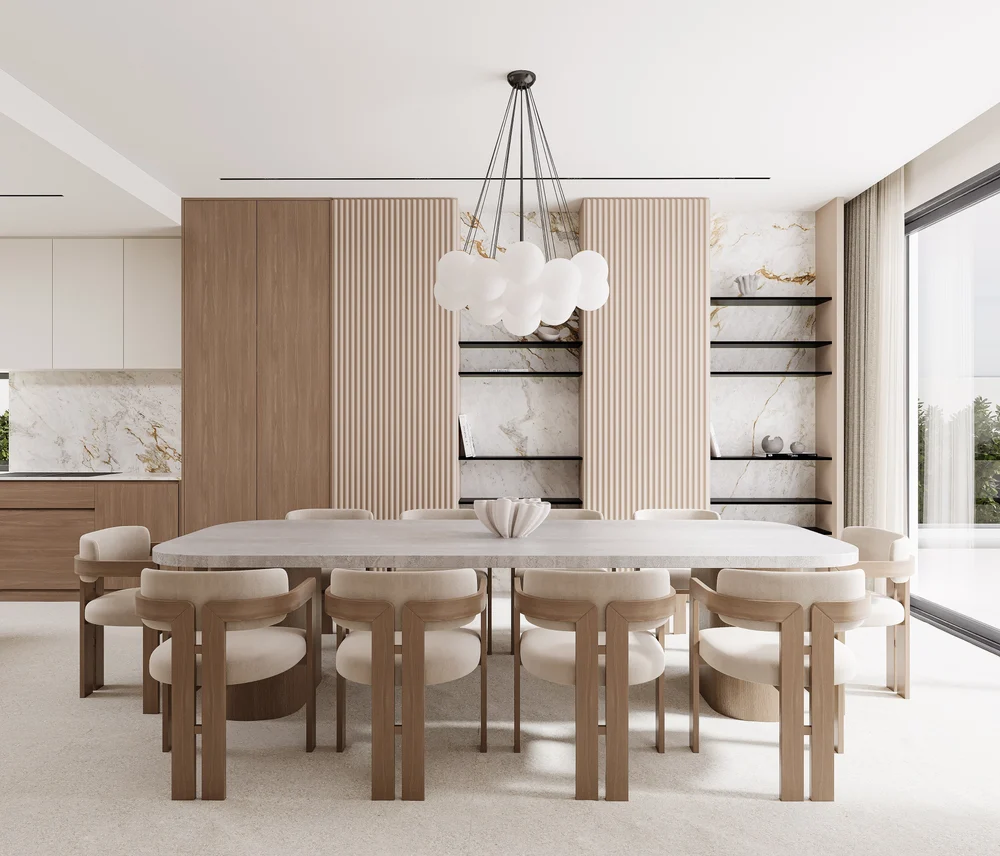
A warm modern living room usually begins with the sofa, but the best choice is rarely just the prettiest one. The right sofa should make the room feel calm, generous, and easy to live in. It needs to suit the size of the space, the way people actually sit, the surrounding materials, and the atmosphere you want at night.
Use the sofa as the anchor, then let every decision around it feel intentional: the rug, the coffee table, the lighting, the wall art, and the open space around the furniture.
Start With the Room, Not the Sofa
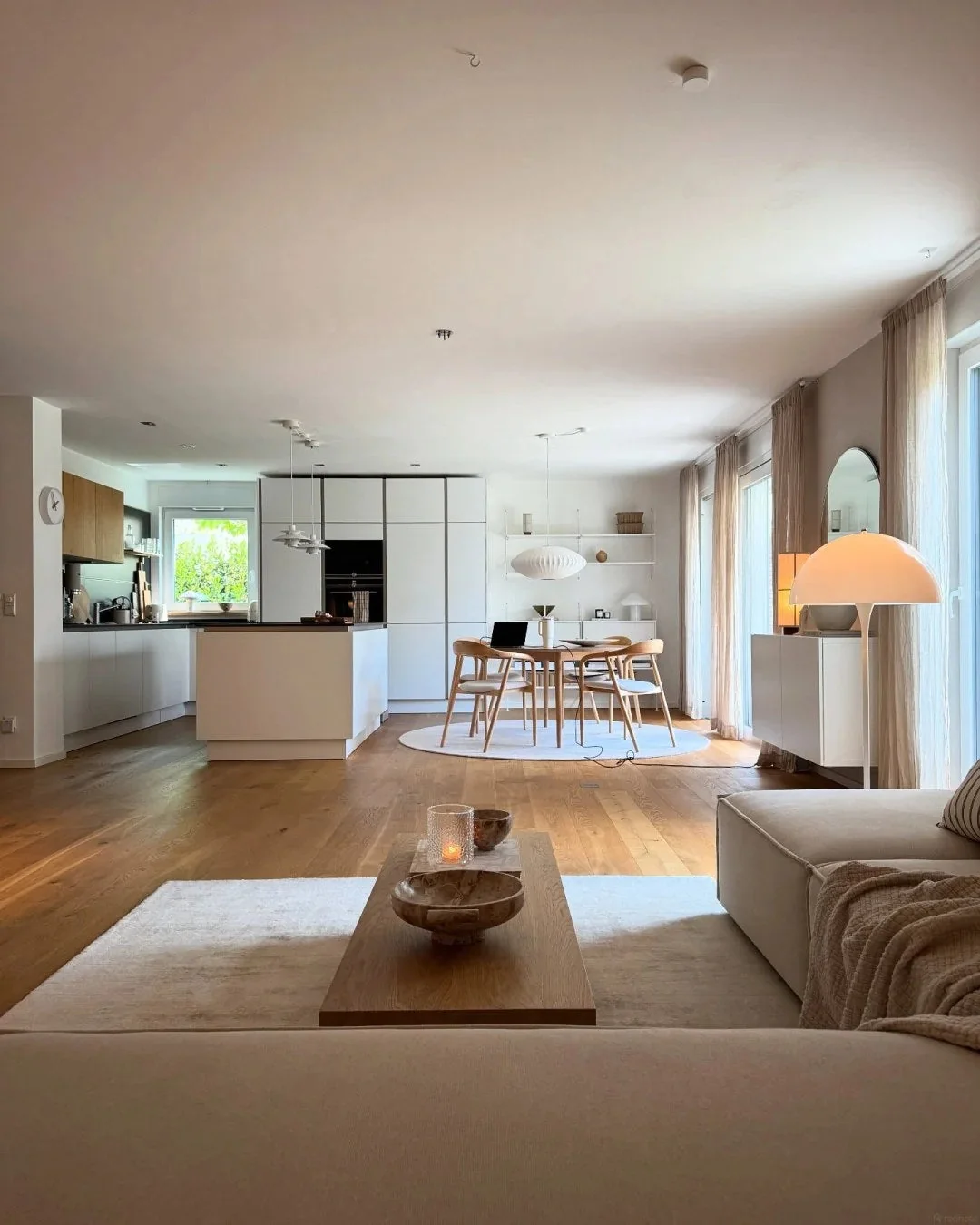
Before choosing a style, look at the living room as a full composition. A large open-plan room can handle a deeper sectional or a soft modular sofa. A compact room often needs a slimmer profile, visible legs, or a lighter fabric so the furniture does not visually block the space.
Get the Proportions Right
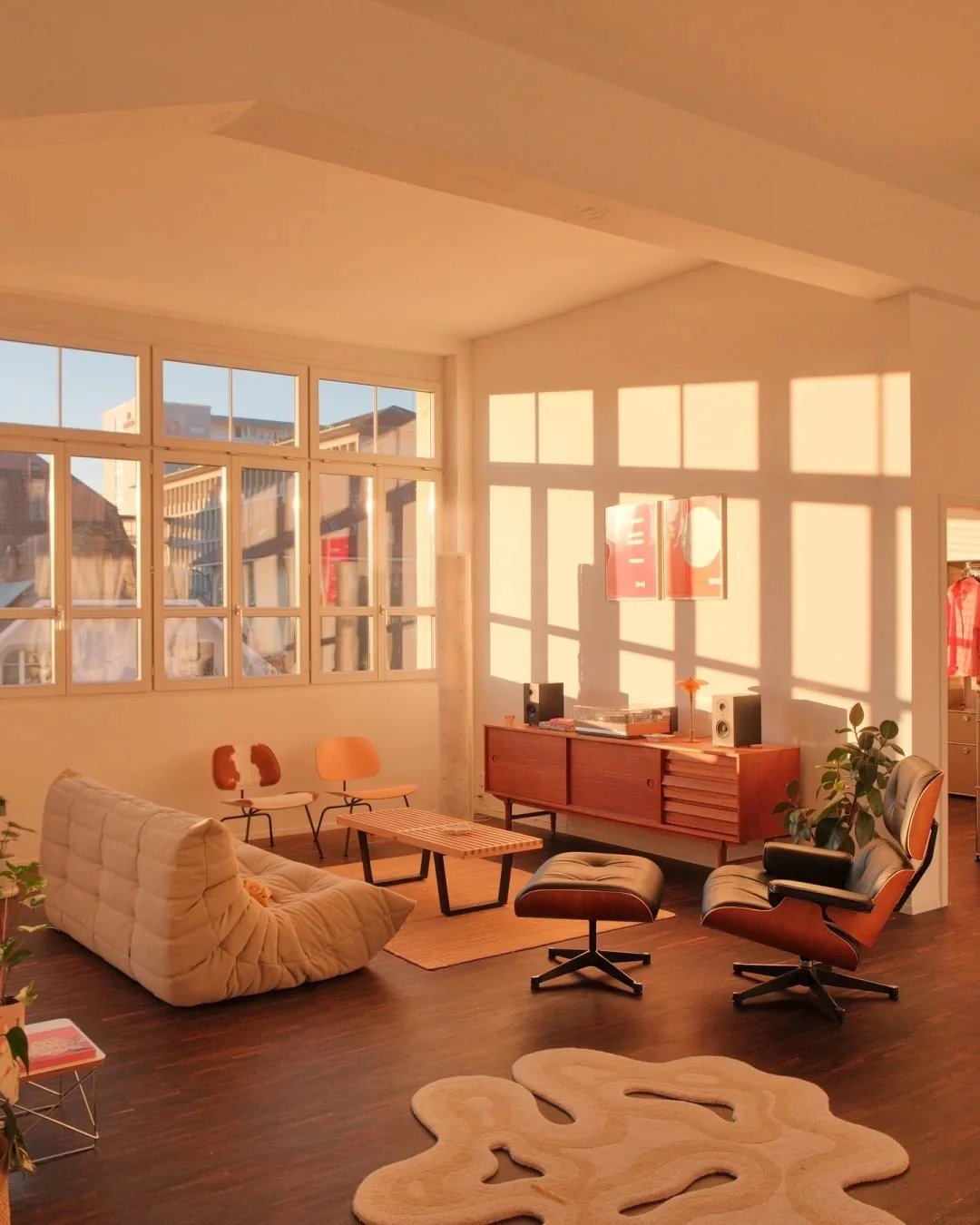
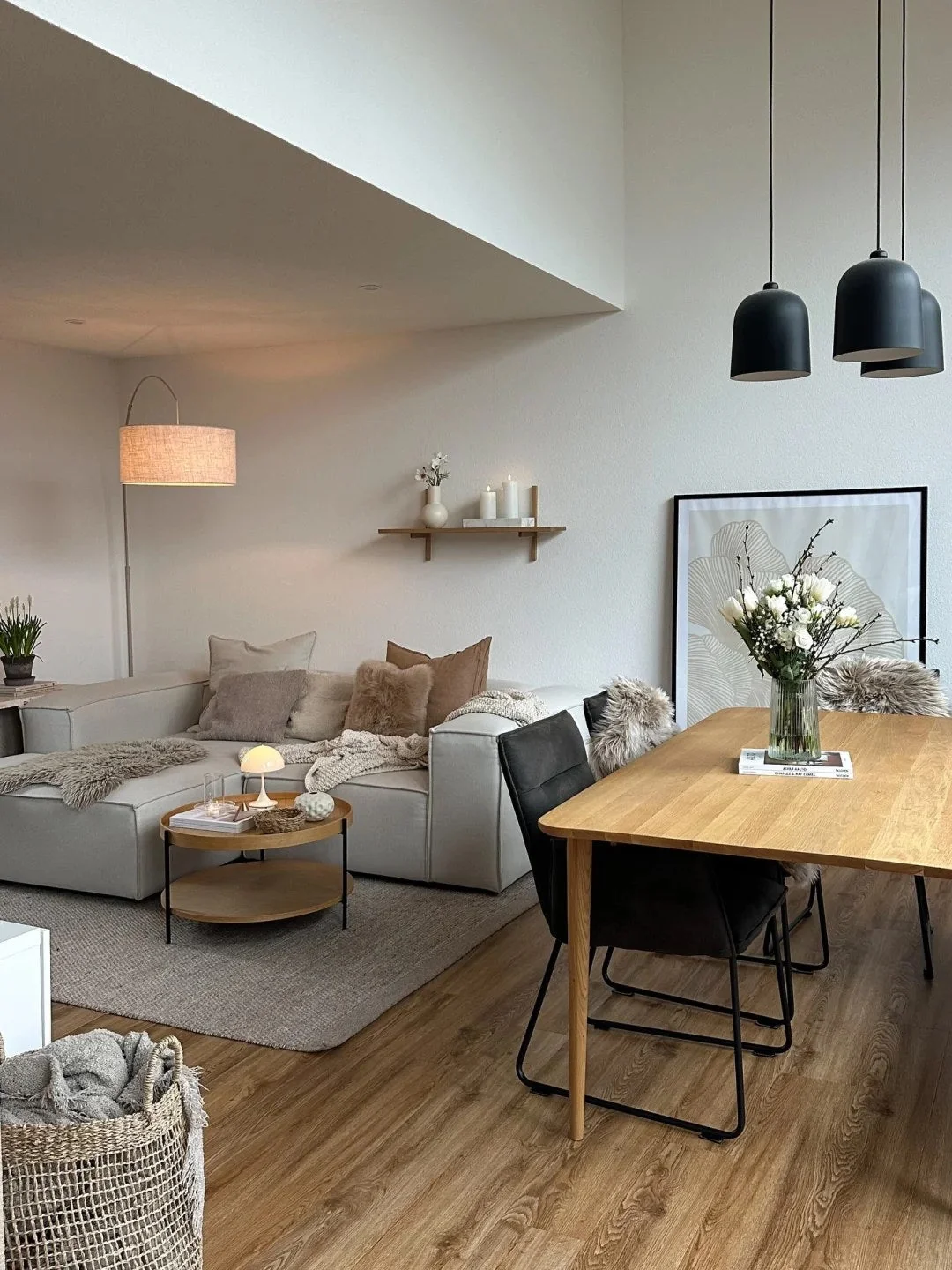
A sofa should feel substantial without swallowing the room. In most warm modern interiors, the sofa works best when it sits confidently on the rug, leaves comfortable walking space around the main path, and does not fight the height of windows, built-ins, or fireplaces.
If the room has high ceilings or wide openings, choose a sofa with more horizontal presence. If the room is narrow, avoid bulky rolled arms and choose a cleaner silhouette.
Choose the Right Configuration
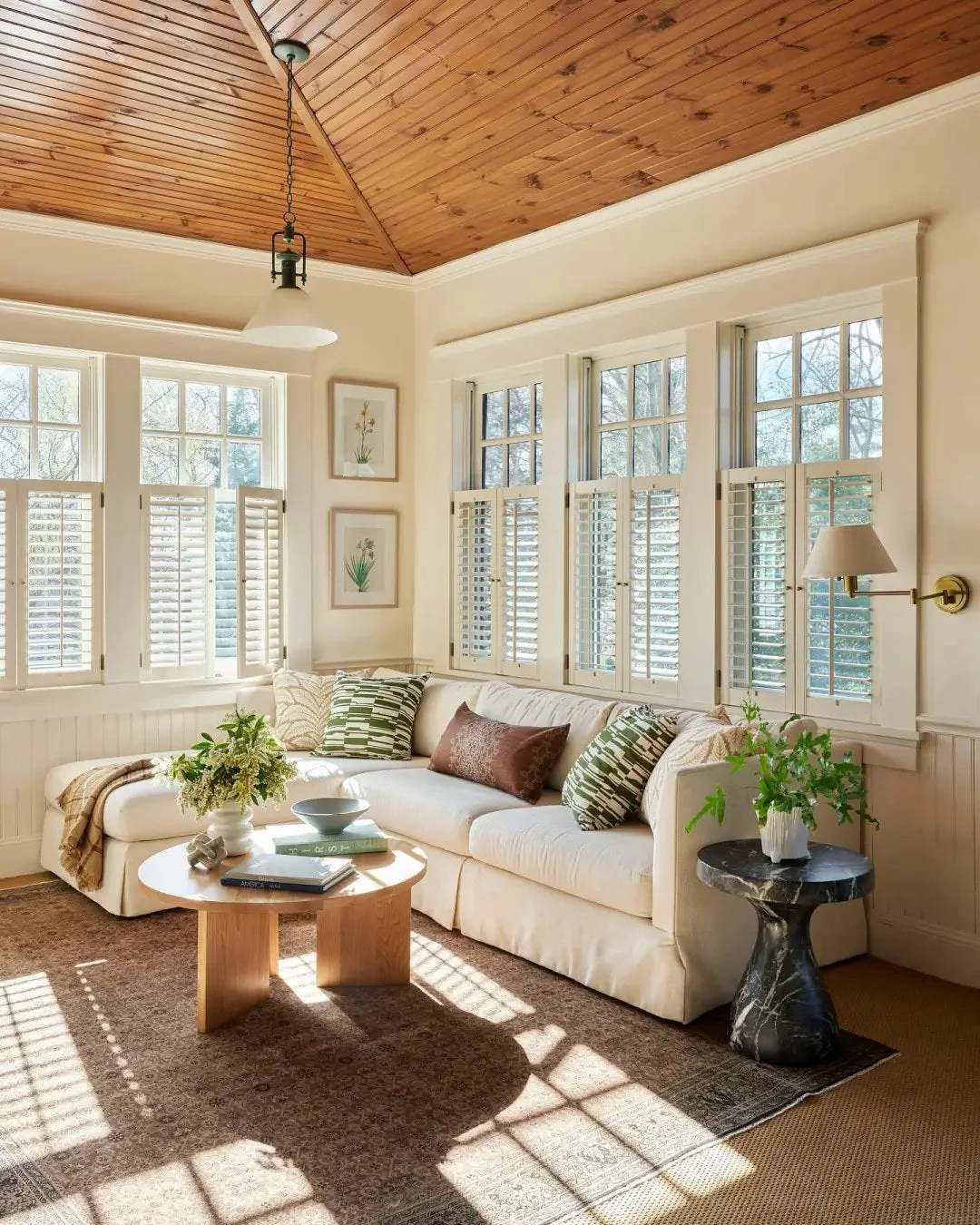
A standard three-seat sofa is flexible and easy to style. A sectional is better when the room is used for family lounging, movie nights, or long conversations. A modular sofa works well in homes that change often, because the pieces can shift with the room.
For a refined warm modern look, keep the configuration simple. One generous sofa with a lounge chair can feel more elegant than too many small seats fighting for attention.
Pay Attention to Seat Depth
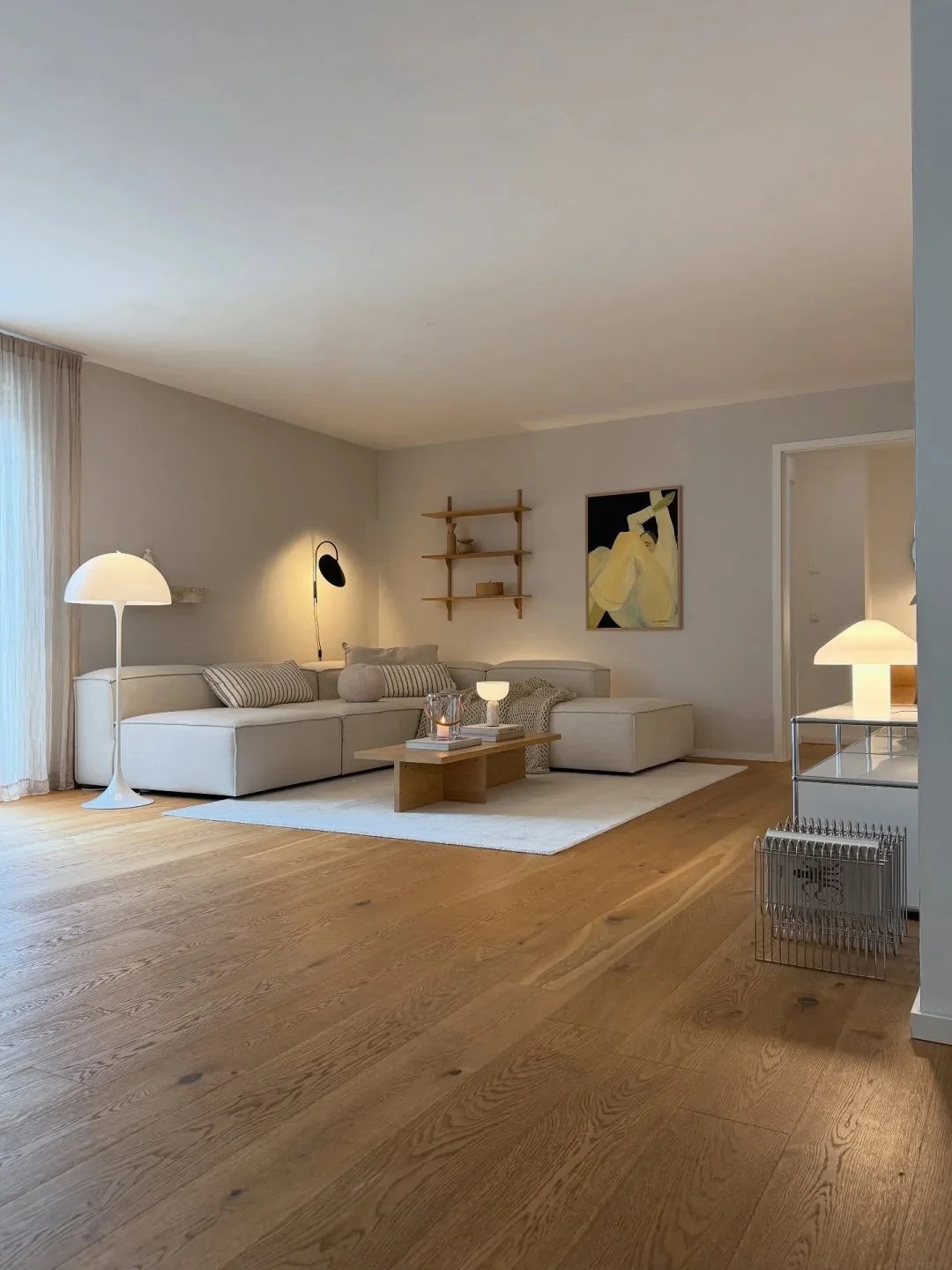
Seat depth decides how the sofa actually feels. A shallow seat looks tailored and supports upright conversation. A deeper seat feels relaxed and lounge-like, but it needs more room and often requires larger cushions to feel comfortable. If you want both, choose a medium-deep sofa with loose back cushions and soft arms.
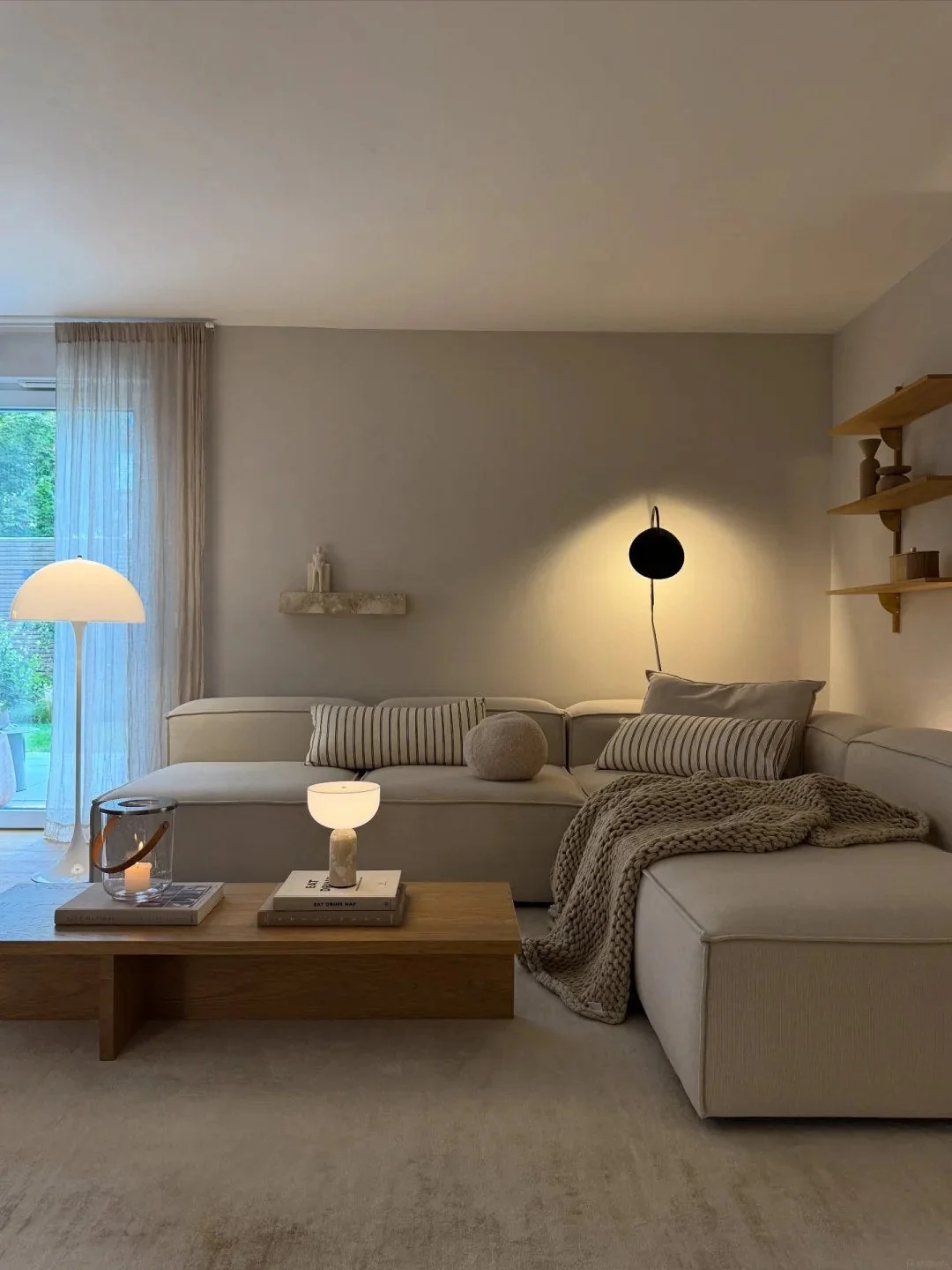
Use Fabric to Build Warmth
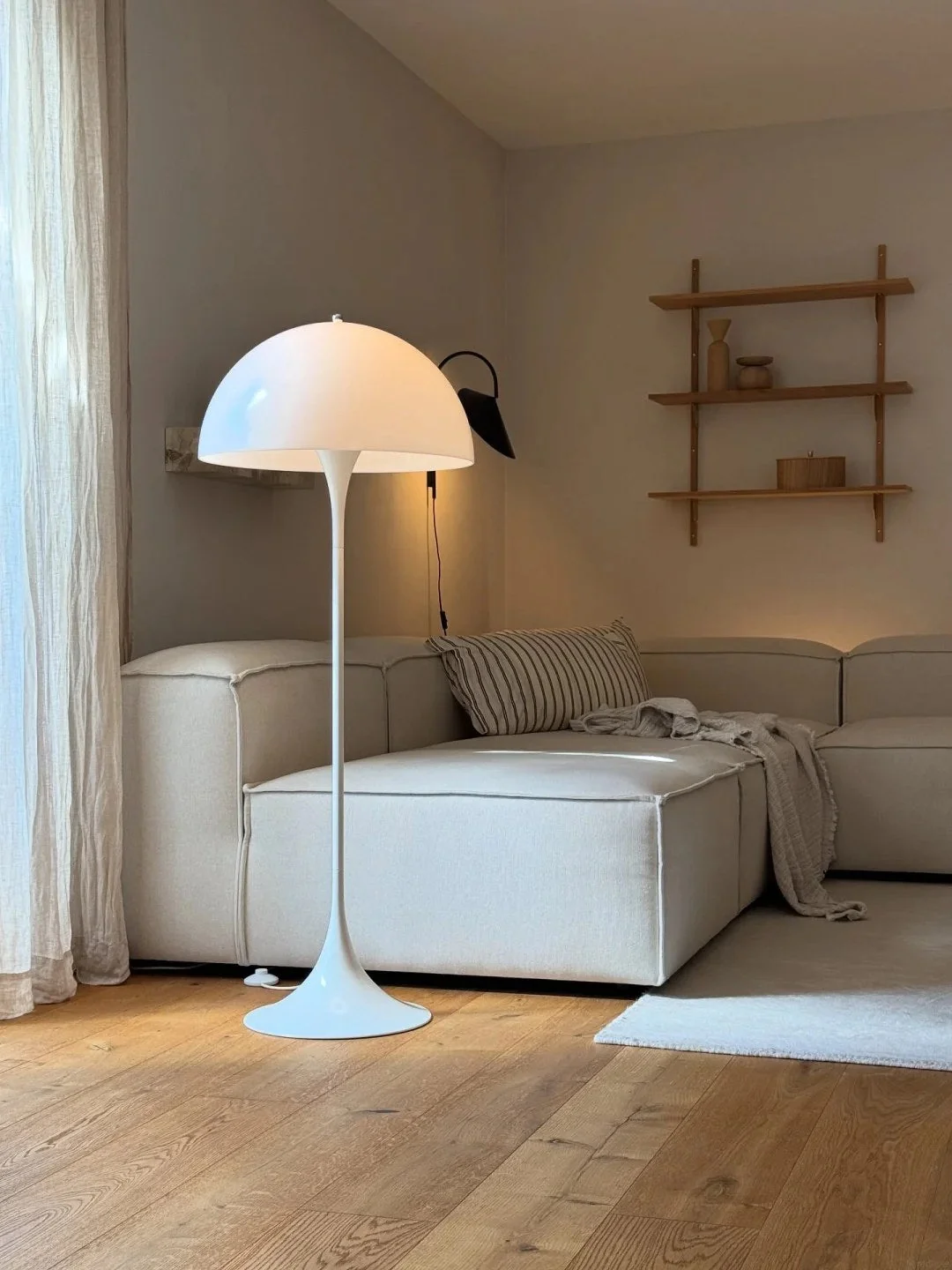
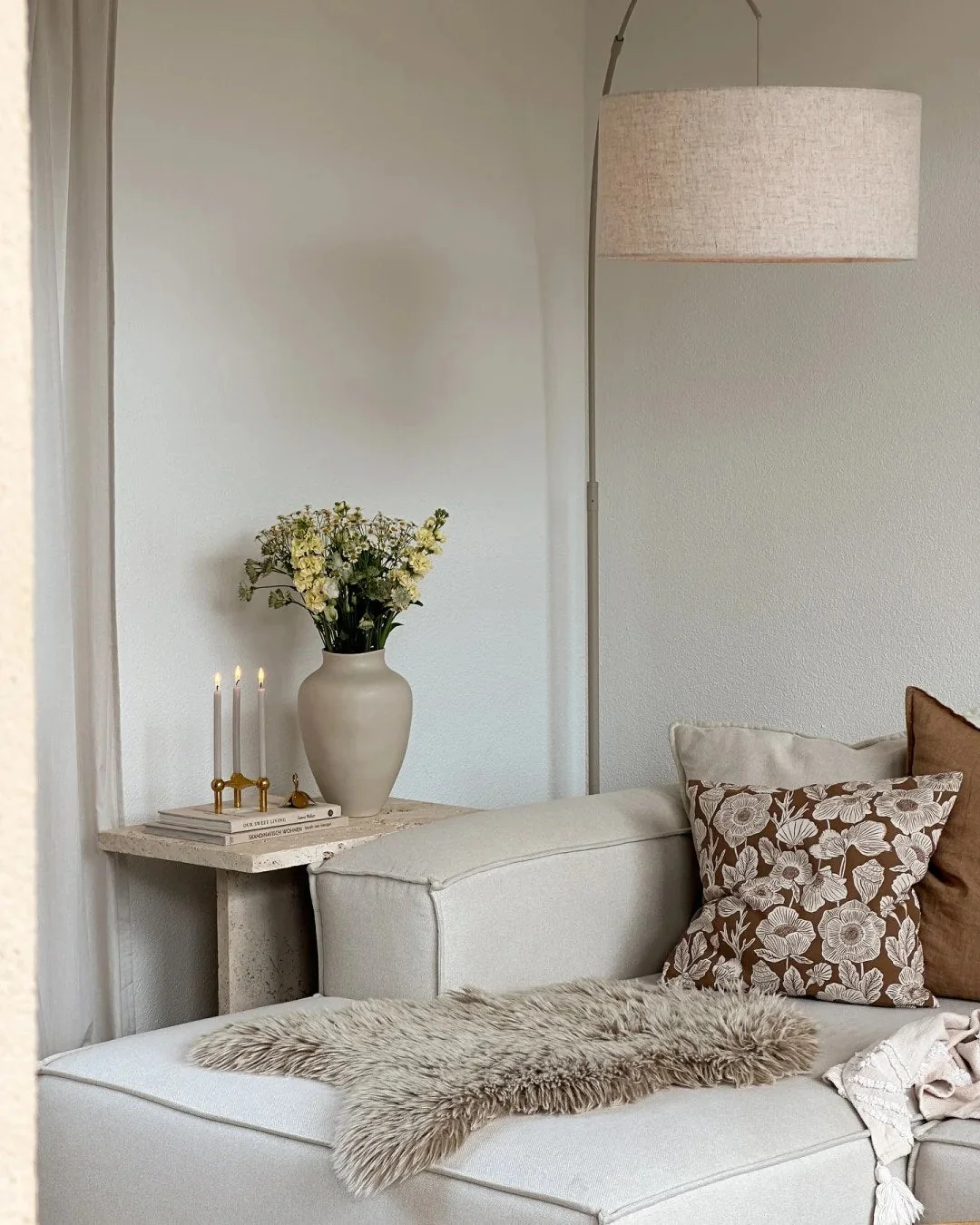
For a calm living room, fabric usually matters more than color. Linen blends, nubby weaves, boucle, velvet, and soft cotton textures can make a neutral sofa feel rich instead of flat. Warm white, oatmeal, taupe, mushroom, tobacco, clay, and muted olive all work beautifully with wood, stone, and plaster.
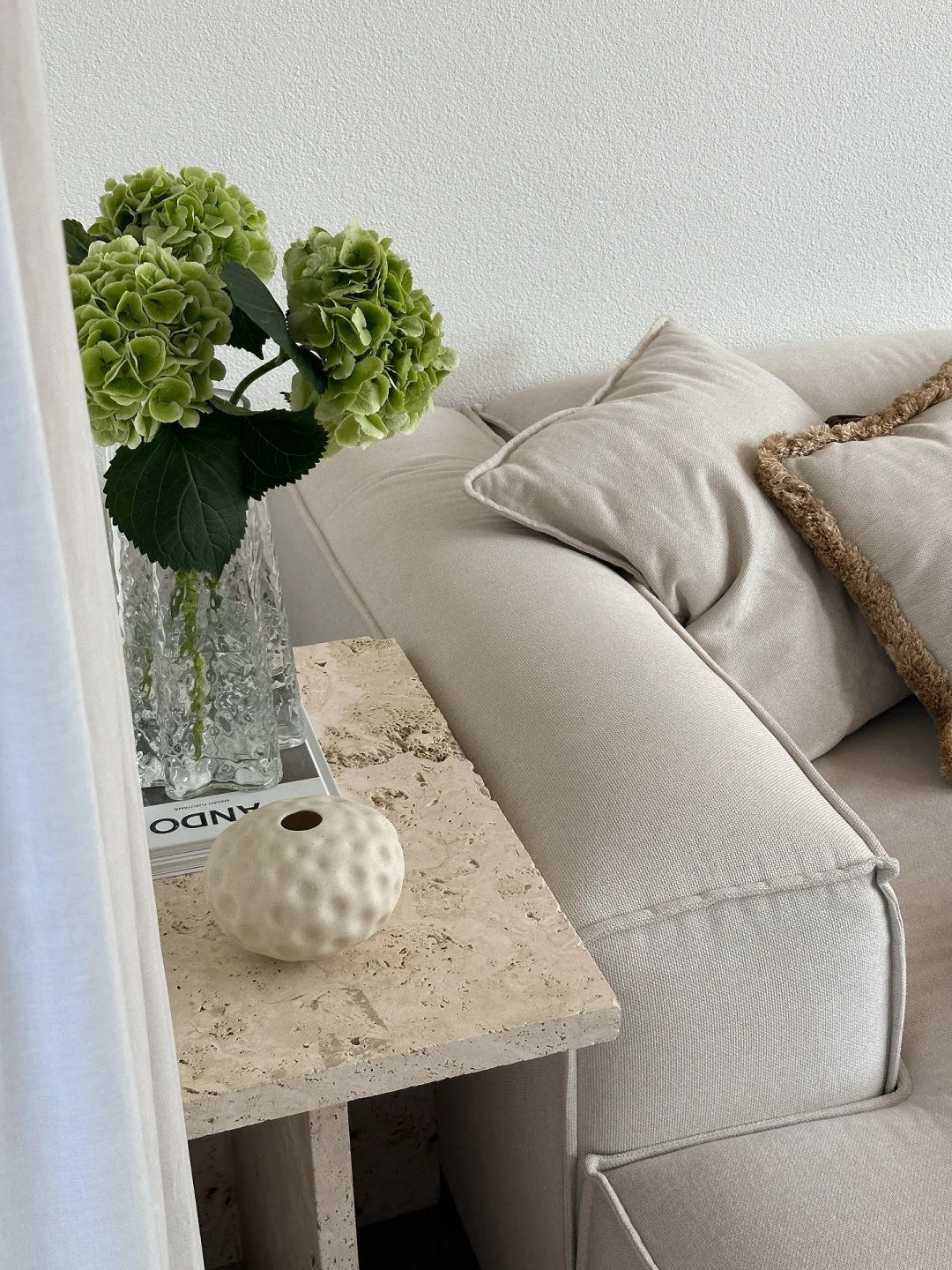
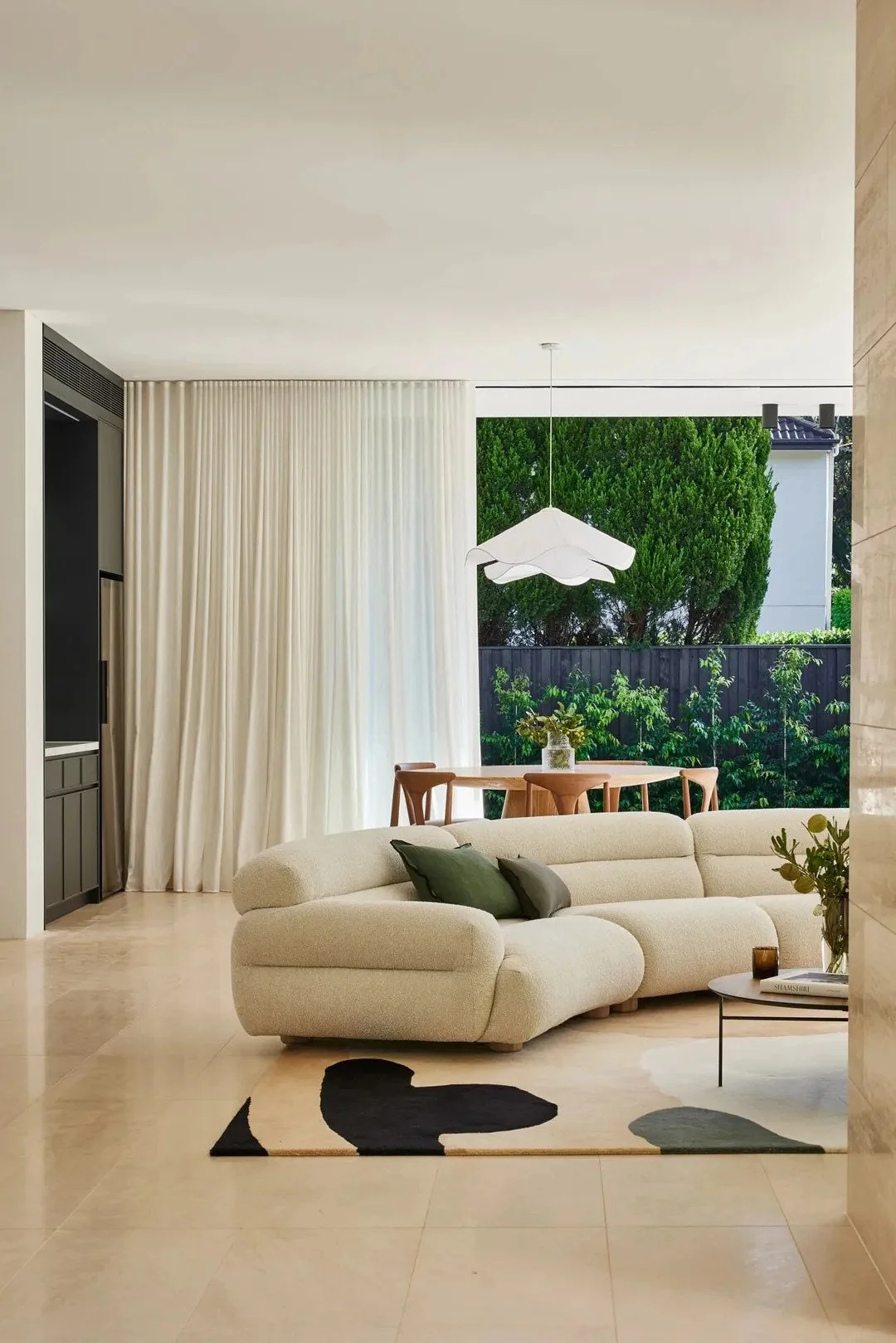
Know When Curves Make Sense
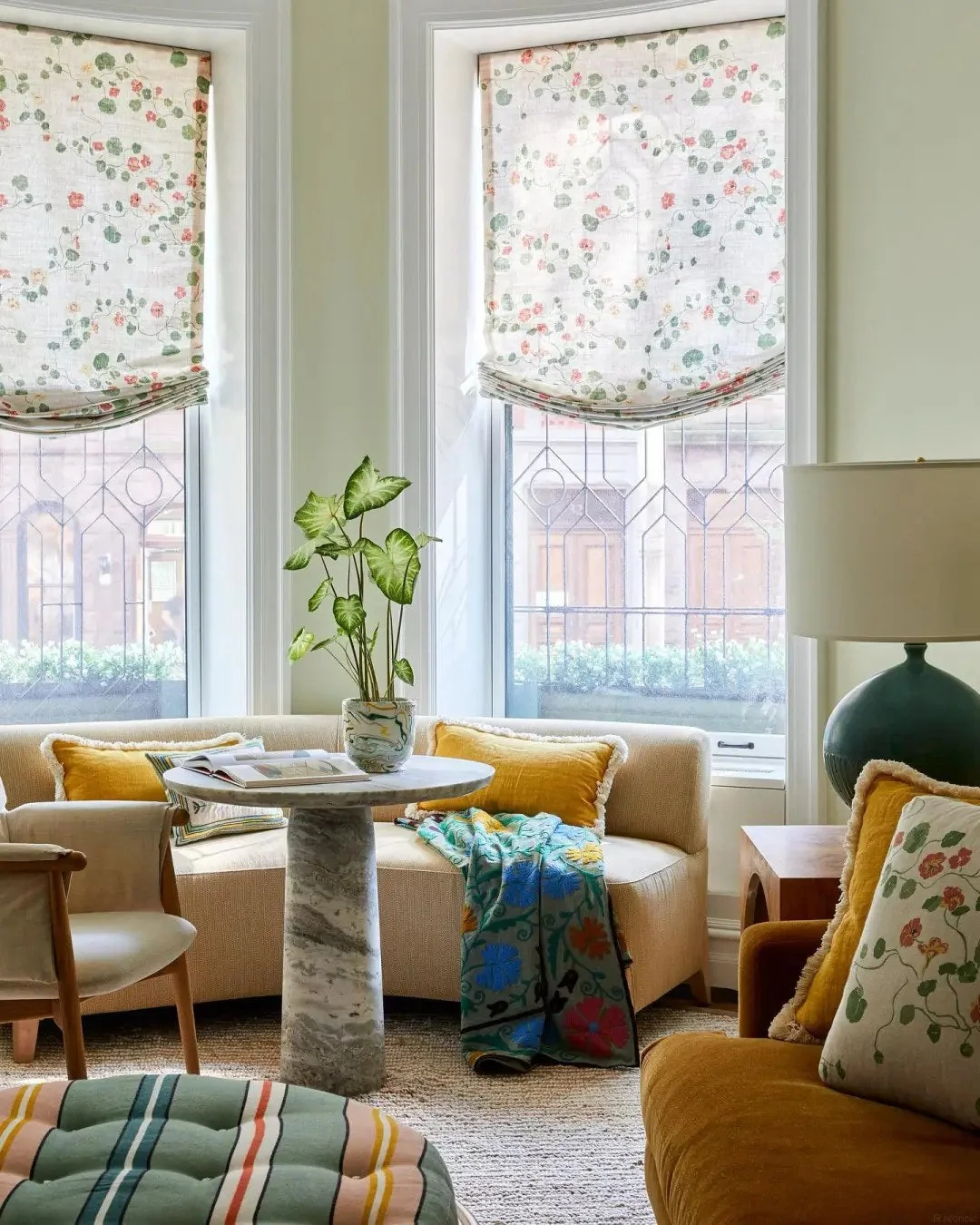
A curved sofa can soften a room with many straight architectural lines. It is especially useful near large windows, sculptural coffee tables, or rounded rugs. The key is giving the curve enough breathing room. If it is pushed tightly into a corner, it loses the graceful shape that made it special.
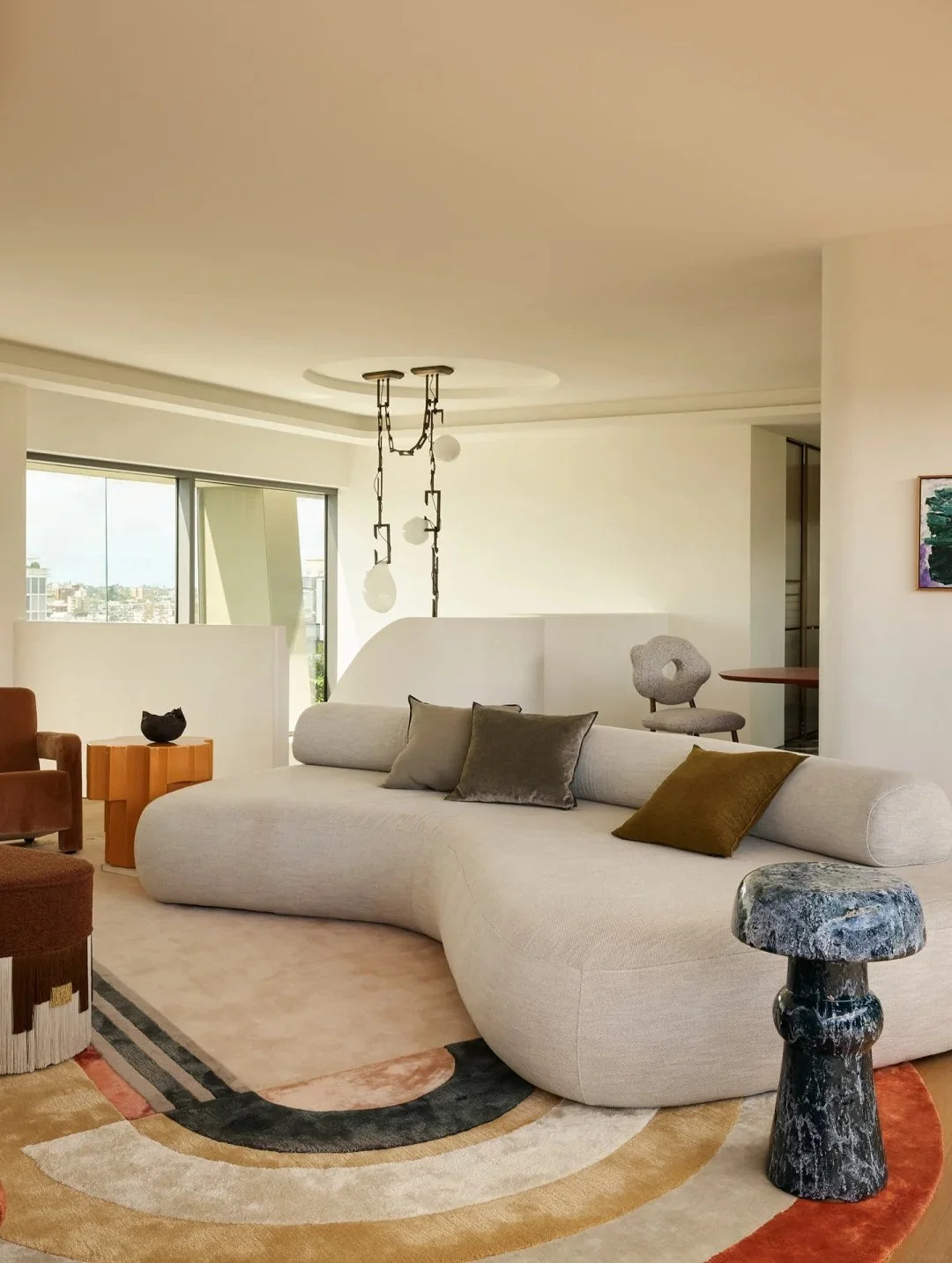
Make the Rug Part of the Sofa Decision
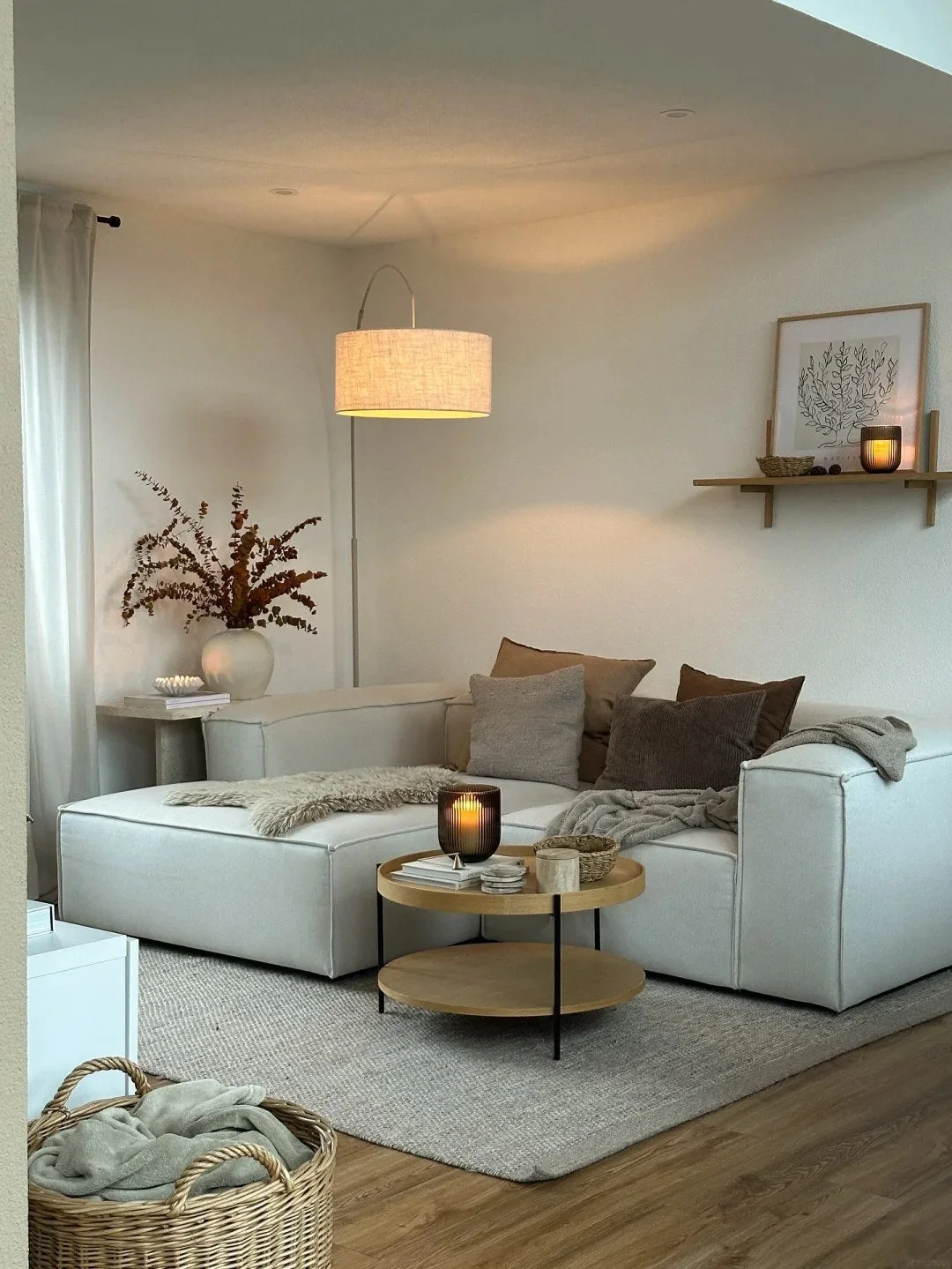
The rug should visually hold the sofa, not float separately from it. In a larger room, place the sofa fully or mostly on the rug. In a smaller room, at least the front legs should sit on it. This instantly makes the seating area feel more grounded and complete.
Plan the Pieces Around It
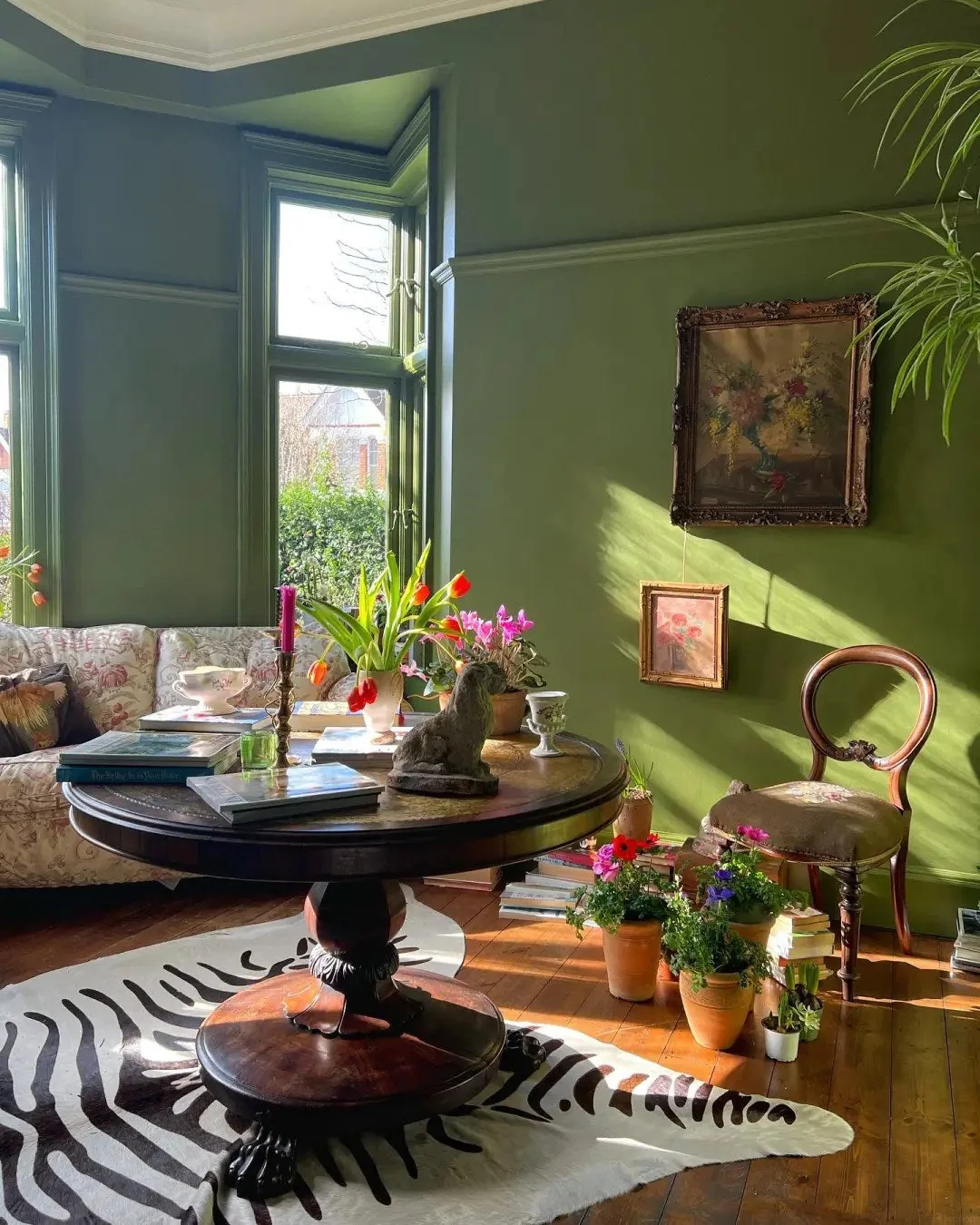
A sofa does not work alone. Side tables, lamps, coffee tables, ottomans, and accent chairs decide whether the room feels finished. Warm modern rooms often look best when the sofa is paired with a mix of materials: timber, stone, ceramic, metal, woven texture, and soft lighting.
For Small Living Rooms, Keep the Visual Weight Low
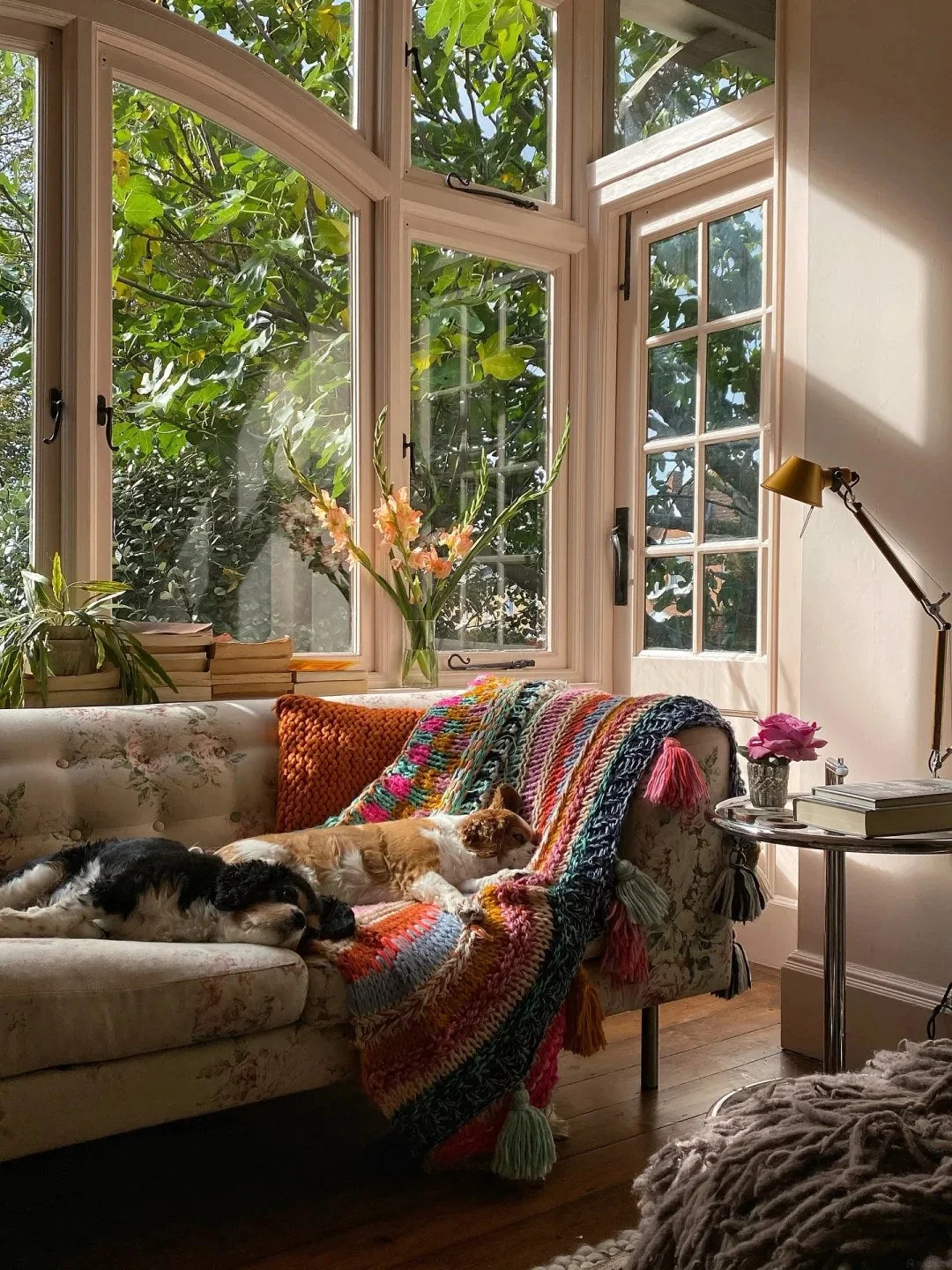
In a small living room, the goal is not always to buy the smallest sofa. It is to choose the cleanest visual shape. Low arms, slim backs, raised legs, and light upholstery can make a sofa feel easy in the room. Leave clear space around windows, doors, and the main walking line.
Final Check Before You Buy
Choose the sofa that answers three questions at once: does it fit the room, does it support the way you live, and does it help the space feel warmer? If the answer is yes, the sofa will not just look good on the day it arrives. It will keep making the room feel calm, layered, and genuinely usable.